✦ Tajweed – Course Details
Quran Tajweed Recitation | 1-on-1 Online, Free Trial
A comprehensive, personalized online Tajweed course designed for busy students in the USA, UK, and Europe. Perfect your pronunciation and master the rules of recitation 1-on-1 with expert Arab tutors who speak fluent English.
- Flexible scheduling (study at your own pace)
- Certified Al-Azhar tutors with fluent English
- Proven Tajweed methodology (mastering Makharij & Ahkam)
No credit card required
500+
Students
Avg Rating
Certified
What Students Say About Our Tajweed Classes Online

What Is Tajweed, and Why Does It Matter?
Tajweed (تجويد) literally means “to make better” or “to do something well.” In the context of the Quran, it refers to the set of pronunciation rules that govern how each Arabic letter is articulated — its correct Makhraj (point of articulation), its Sifat (characteristics), and how it behaves when it meets other letters. In simple terms, quran tajweed is the science that ensures the Quran is recited exactly as it was revealed to the Prophet Muhammad ﷺ, letter for letter, sound for sound.
This matters because Arabic is a precise language — a small change in pronunciation can change the meaning of a word entirely. Tajweed exists to protect the Quran from Lahn (recitation errors), preserving both its meaning and its melodic, rhythmic character as it has been transmitted for over 1,400 years.
The Ruling on Learning Tajweed in Islam
Islamic scholars generally distinguish between two levels of obligation when it comes to Tajweed:
- Learning the theoretical rules of Tajweed (as a science) is considered Fard Kifayah — a communal obligation. This means it is sufficient if enough people within the Muslim community master and teach these rules; not every individual is required to memorize the technical terminology.
- Applying Tajweed correctly to avoid clear pronunciation errors (Lahn Jali) that could distort the meaning of the Quran — especially during Salah — is treated by the majority of scholars as an individual responsibility for every Muslim who recites the Quran, since correct recitation is part of fulfilling the command in the Quran itself: “…and recite the Quran with measured recitation” (Surah Al-Muzzammil, 73:4).
There is scholarly nuance here — some scholars are stricter about Lahn Khafi (subtle errors that don’t change meaning but affect the beauty and rhythm of recitation) than others, treating its correction as recommended (Mustahabb) rather than obligatory. This is why structured, corrected practice — rather than self-study alone — is the traditional and recommended path.
How Our Online Recitation Classes Work؟
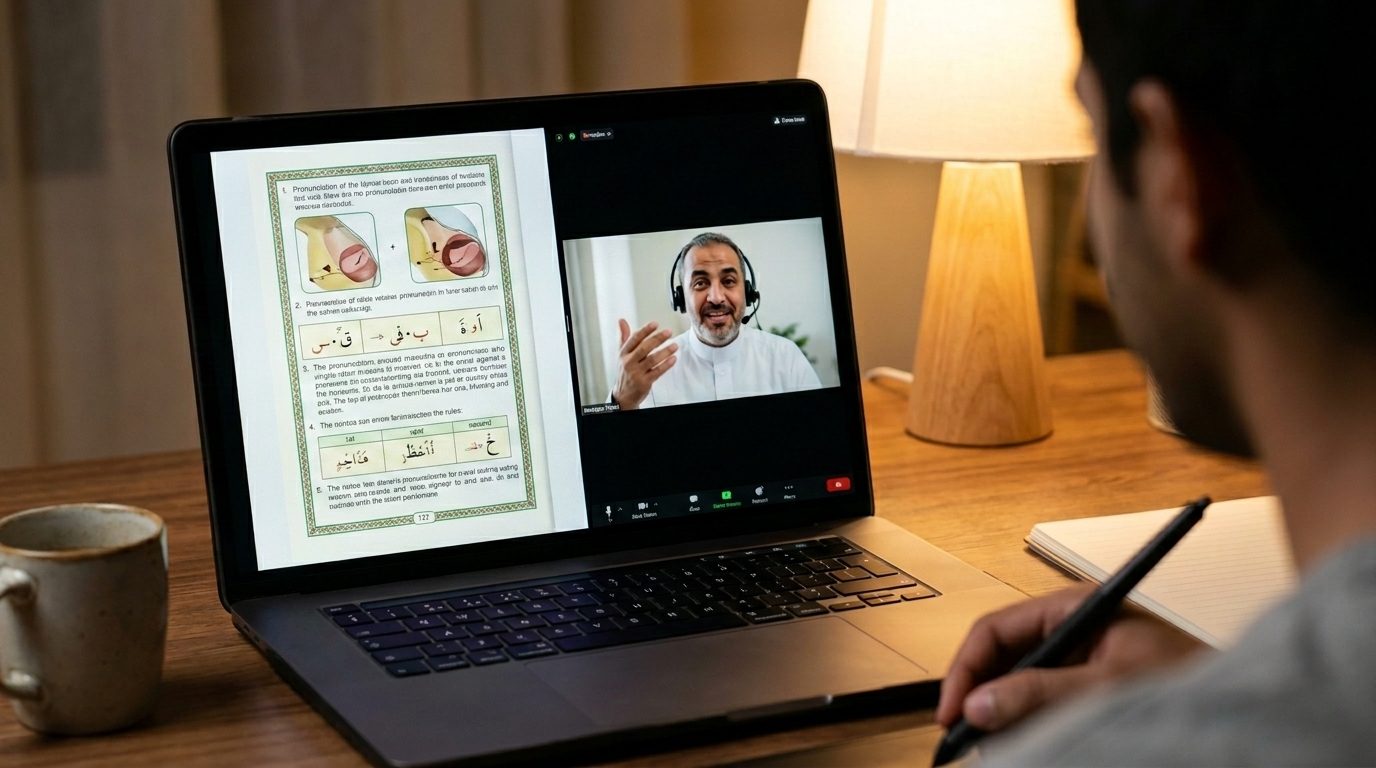
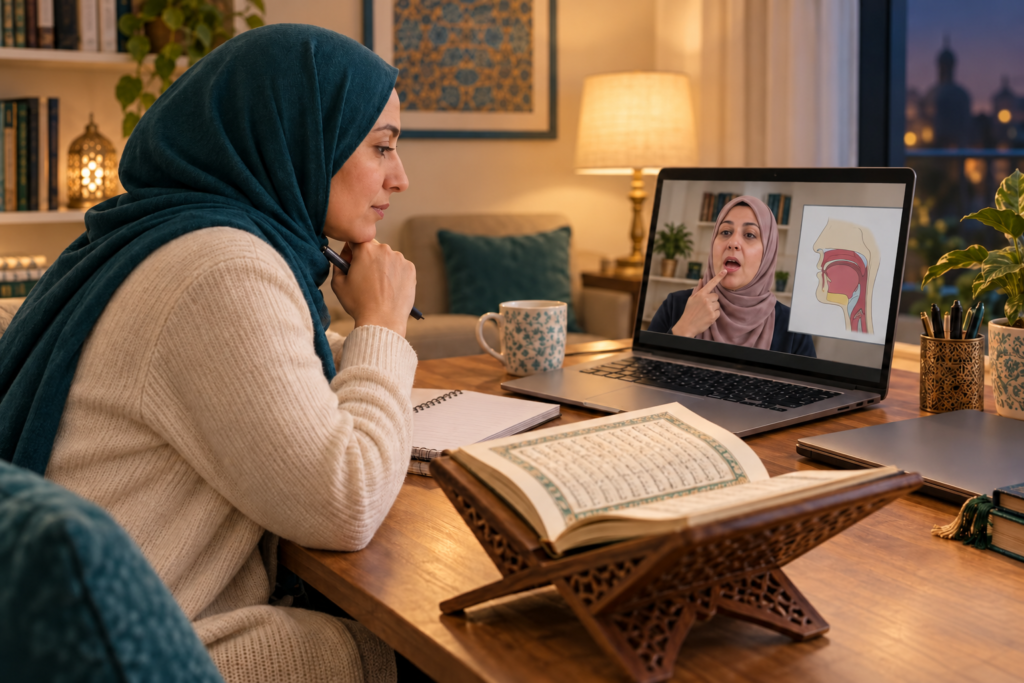
Every session in this course is delivered as one of our live, one-to-one recitation classes online — not pre-recorded videos. You recite directly to your tajweed teacher online, who listens in real time and corrects your Makharij, Ghunnah, and Madd as you go. This live correction is essential: recorded lessons can teach you the theory, but only real-time feedback from a qualified teacher can catch and correct the specific habits your tongue has formed.
Classes are scheduled flexibly around your time zone, whether you’re based in the USA, UK, Europe, or elsewhere, and each session builds directly on the one before it using spaced repetition, so previous rules are reinforced rather than forgotten.
Is This Course Right for You? Starting From Quran Basics
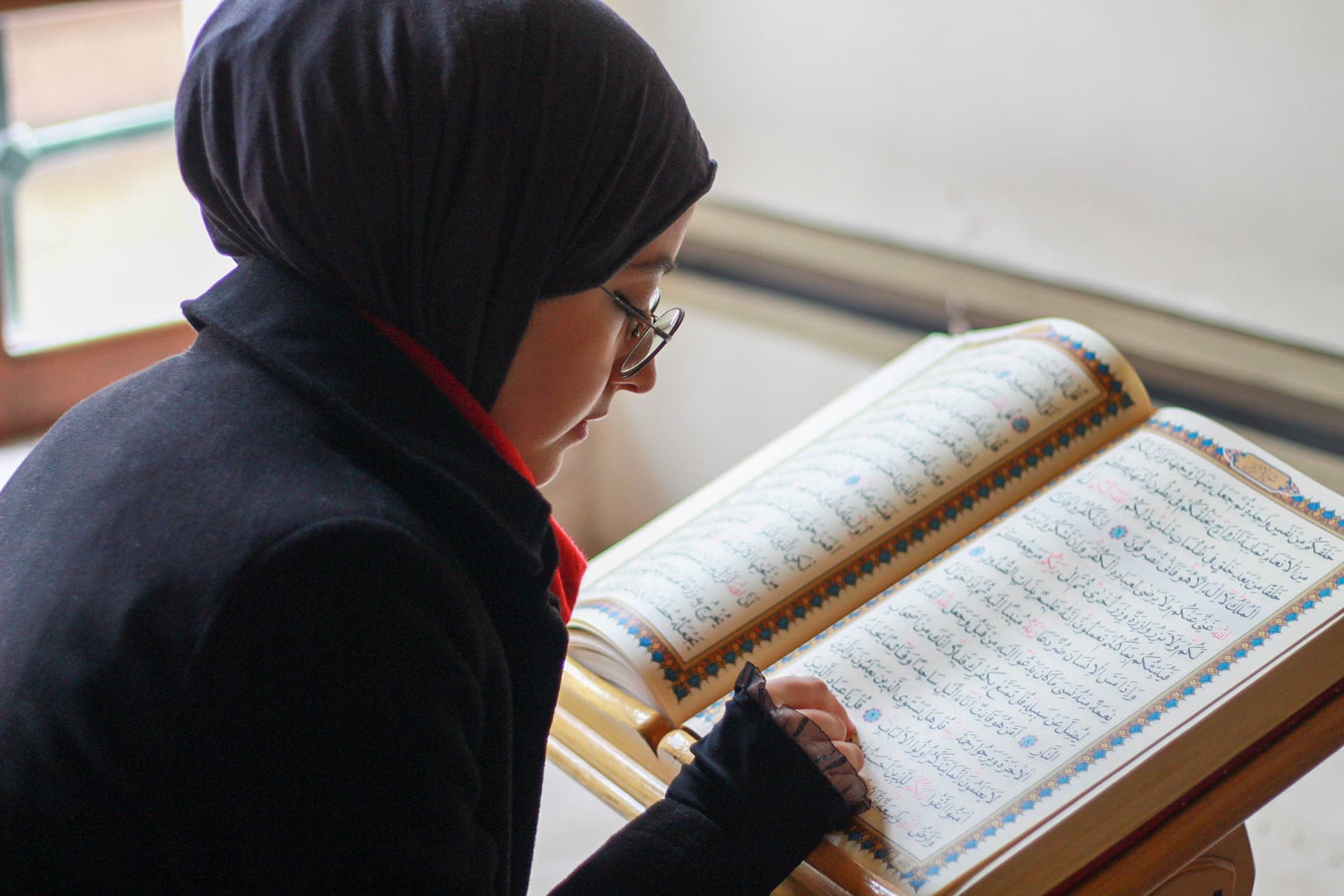
You don’t need any prior experience to begin. If you’re still learning quran basics — the Arabic alphabet, how letters connect, or how to read your first words — Module 1 and Module 2 of this course are designed specifically to take you from zero to confidently reading full Arabic words before Tajweed rules are even introduced.
If you can already read Arabic but want to correct your pronunciation and add proper Tajweed rules to your recitation, you can begin directly from Module 3. A short assessment at enrollment helps place you at the right starting level, so you’re never repeating material you’ve already mastered — or skipping foundations you actually need.
Tajweed Classes for Adults: Is It Too Late to Start?
A common hesitation among adult learners is the belief that Tajweed is something you should have learned as a child, and that starting now means you’re “behind.” This isn’t accurate, and it shouldn’t stop anyone from enrolling.
Tajweed classes for adults differ from children’s classes in a few important, practical ways:
- Faster conceptual grasp. Adults can understand the logic behind a rule (why Ikhfa applies here but Izhar applies there) rather than relying purely on repetition, which often accelerates progress once the initial Makharij retraining is done.
- Retraining, not first-time training. Many adult students already read Arabic but have picked up mispronunciation habits over years. A tajweed teacher online who specializes in adult correction will focus first on identifying and gently unlearning these ingrained habits, which is a different process from teaching a child from zero.
- Schedule-first design. Adult learners are usually balancing work, family, or study, which is why flexible, on-demand scheduling (rather than fixed weekly classroom slots) is emphasized in most online tajweed classes built for Western, English-speaking Muslims.
No prior deadline. There is no religious or practical cutoff age for correcting one’s recitation. The Prophet ﷺ and his companions taught recitation to people of every age, and scholars have never restricted Tajweed correction to childhood.
In short: adults not only can learn Tajweed as effectively as children, many progress faster in the rule-application stages (Modules 3–4) precisely because they can process the “why” behind each rule rather than memorizing it by rote.
Are You Reciting the Qur'an the Way It Was Revealed?
Learn correct Qur'an recitation
Master proper pronunciation and apply Tajweed rules as they were taught and preserved.
Personalized one-to-one correction
Your teacher identifies mistakes instantly and helps you correct them before they become habits.
Suitable for every level
From learning Arabic letters for the first time to refining years of recitation experience.
Structured progress with expert guidance
Clear learning path, continuous feedback, and measurable improvement every session.
Course overview
Online Quran Tajweed Course
- 500+ students enrolled worldwide
- Serving 42+ countries - UK, USA, Canada & more
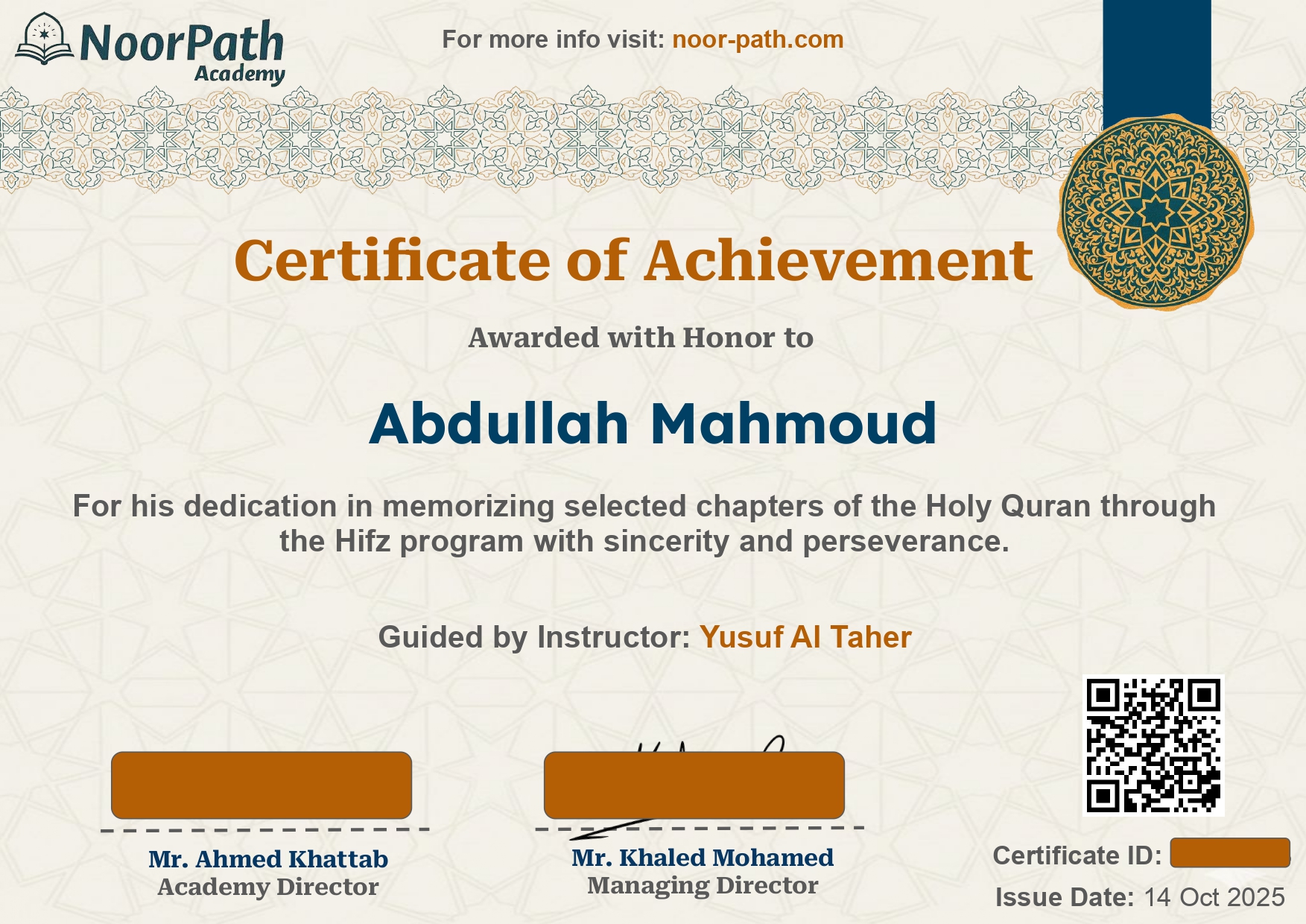
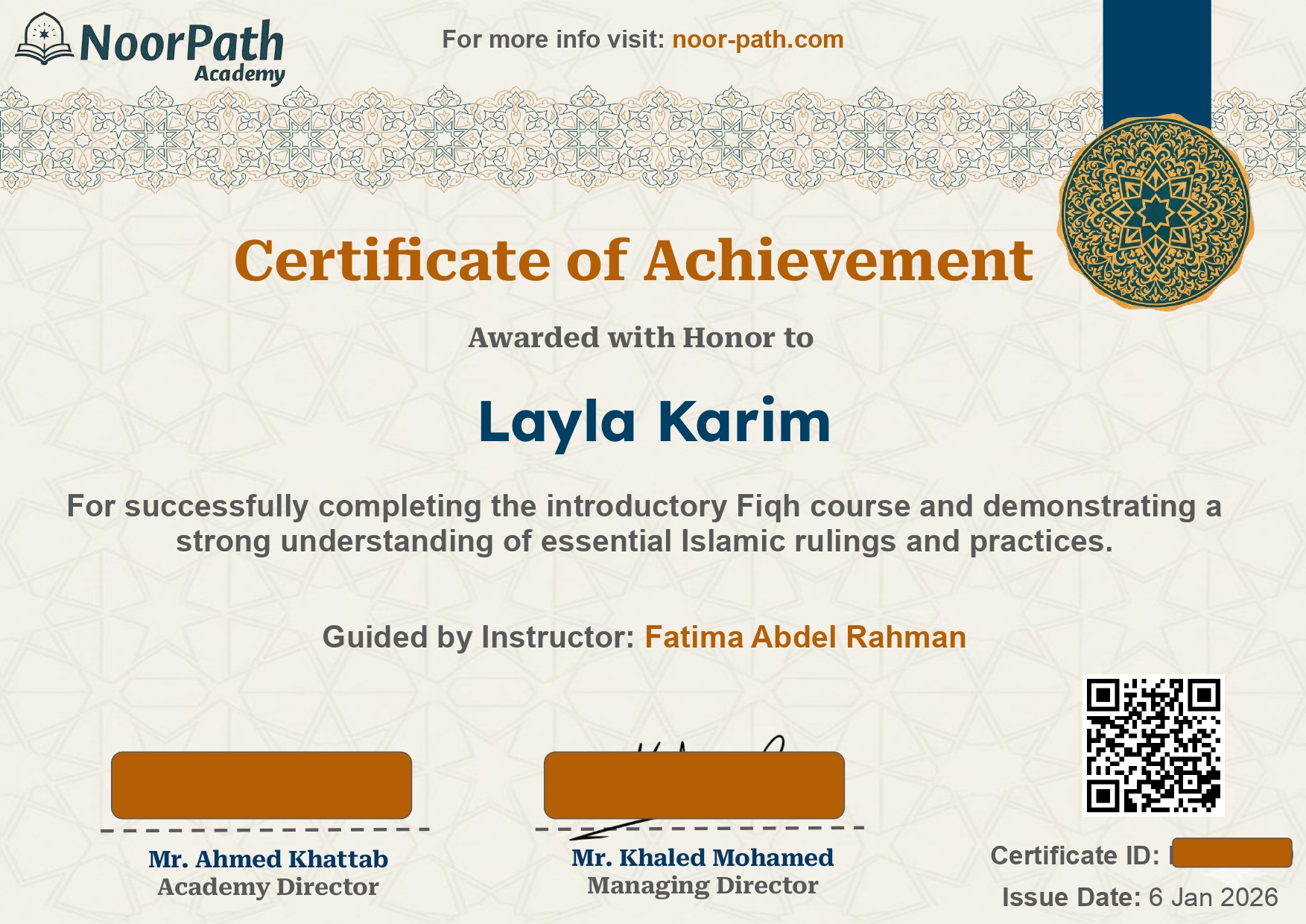
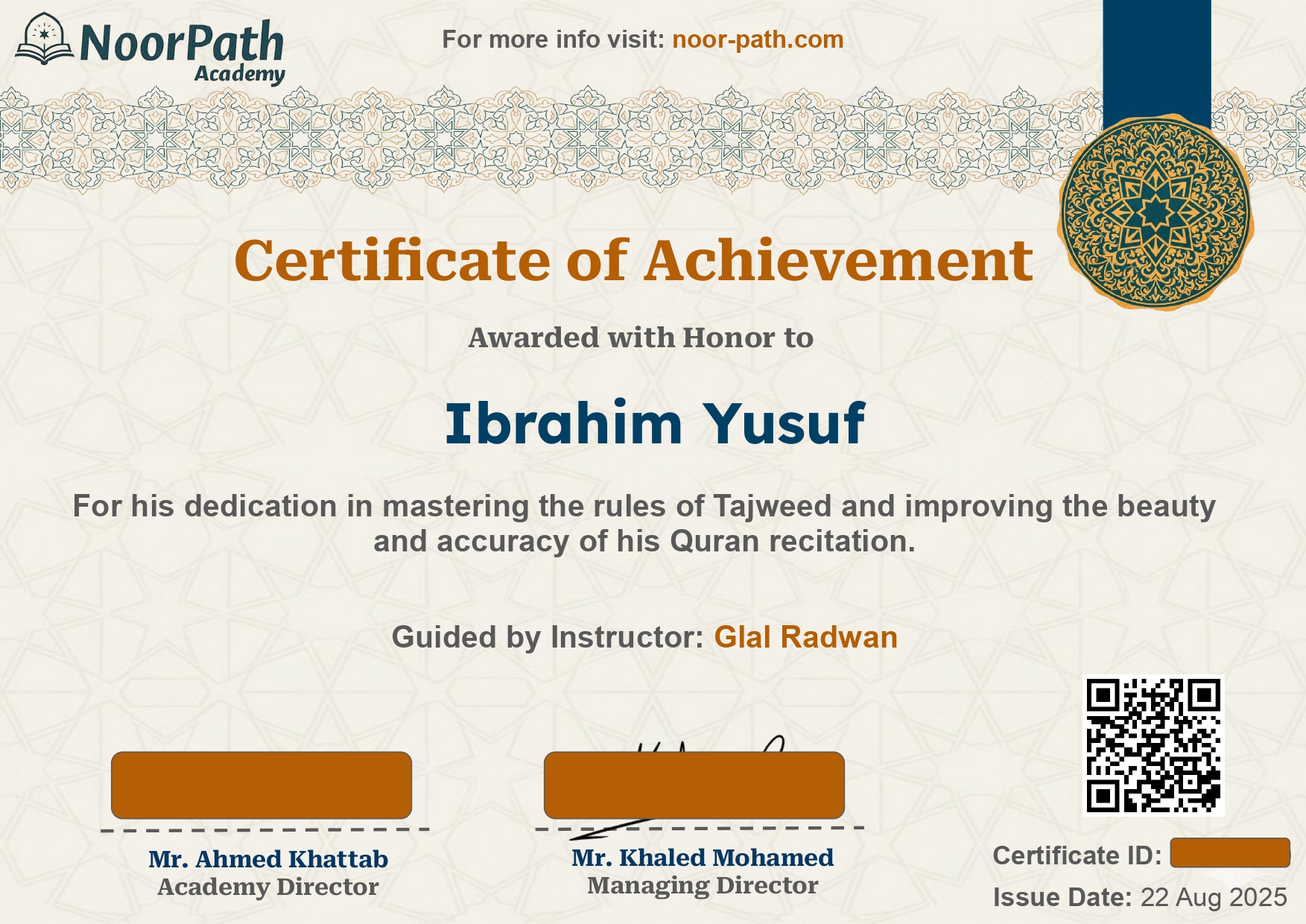
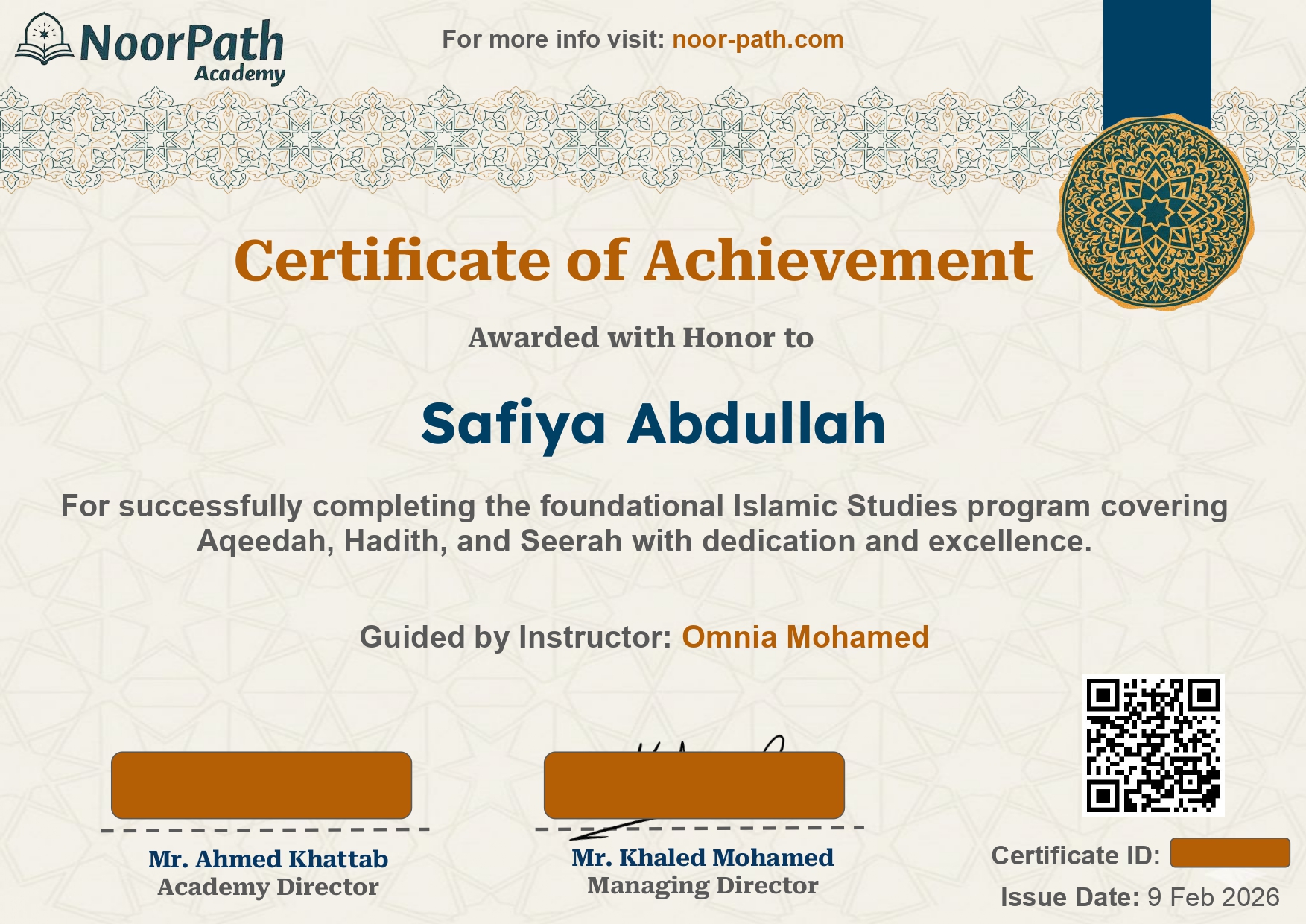
- Certificate of completion included
- 5.0 rating on Trustpilot
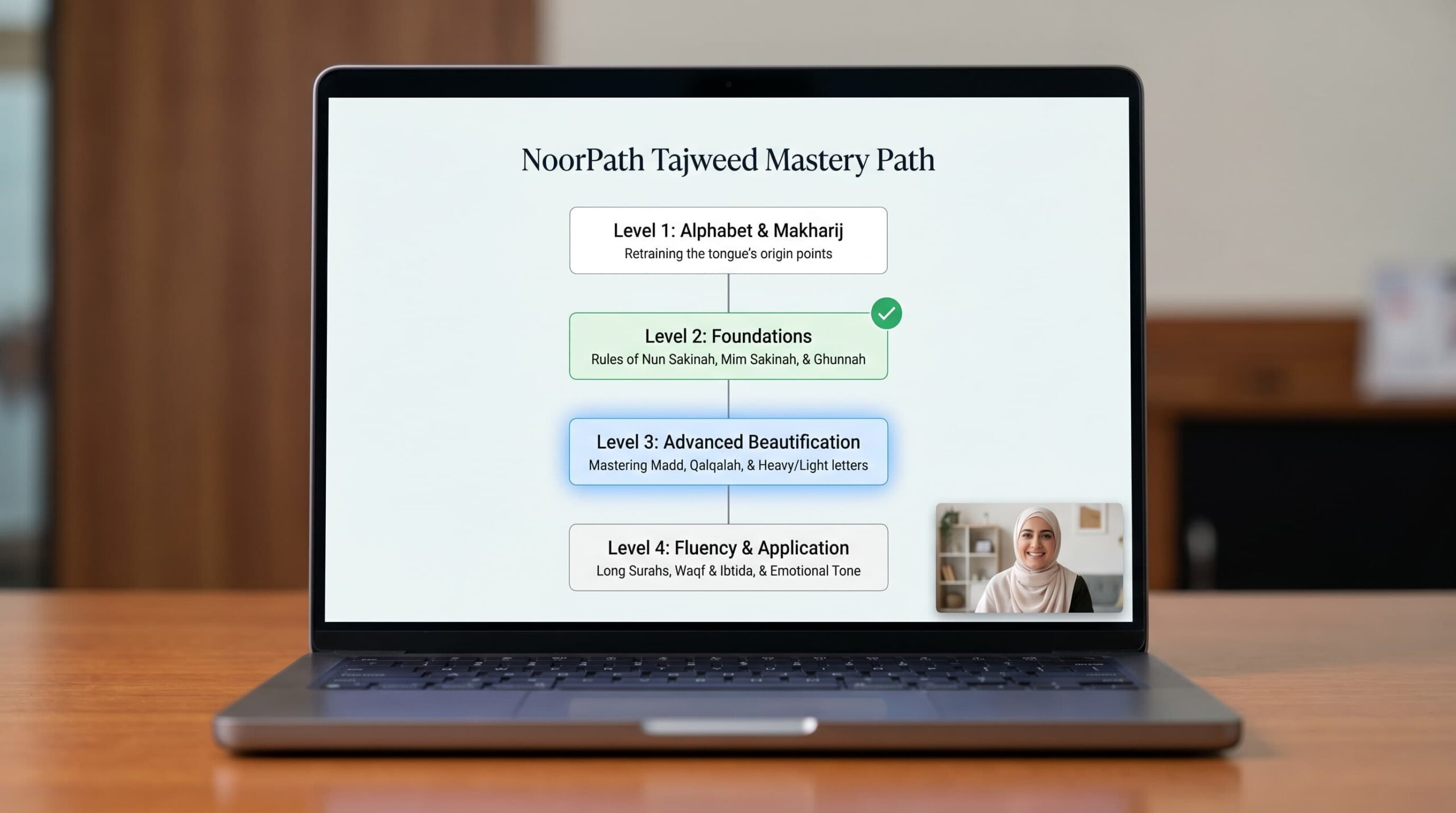
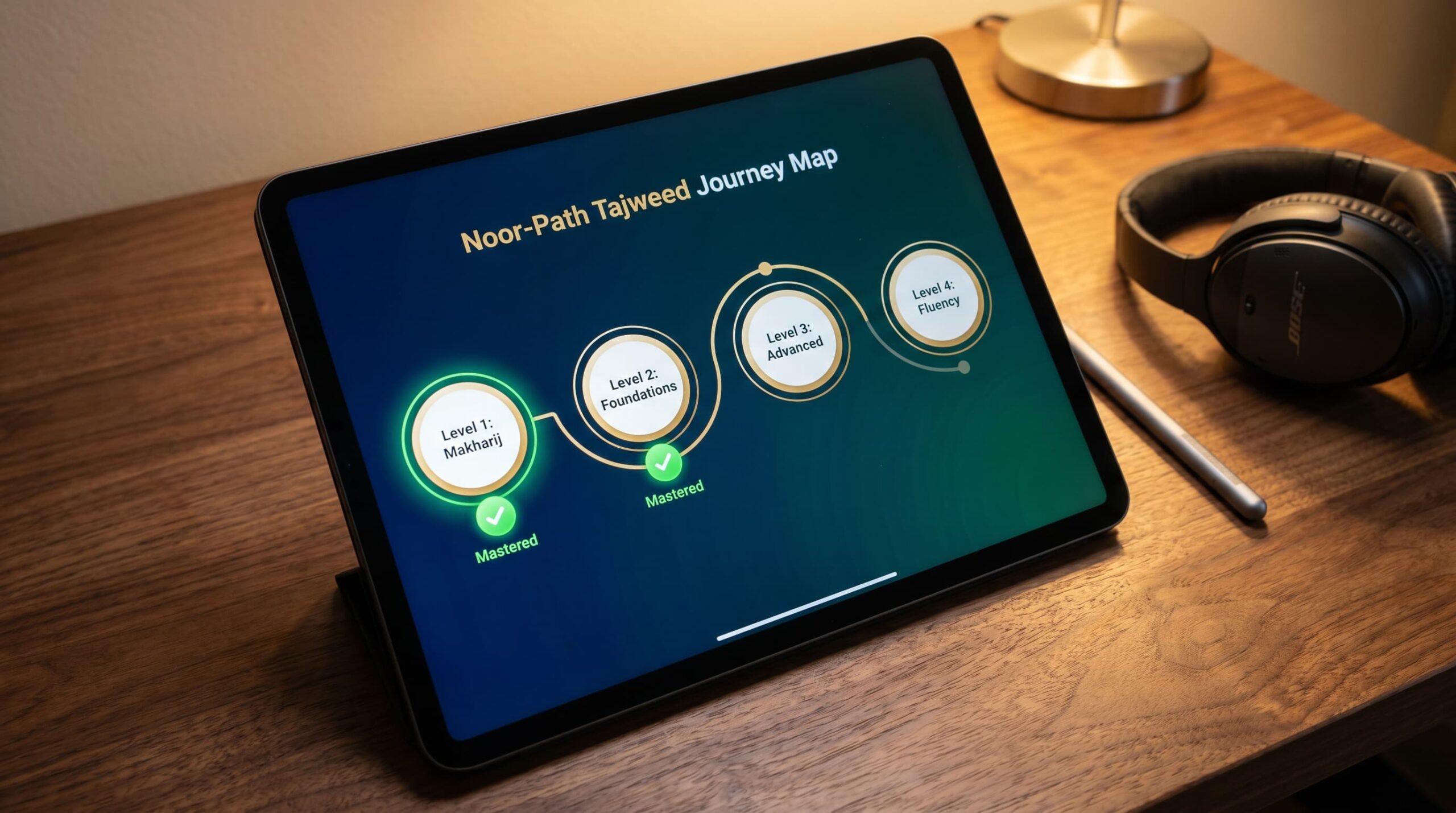
A Clear Path from Beginner to Tajweed Master
- Level 1: The Alphabet & Makharij Fix the root of the problem. We retrain your tongue to pronounce every Arabic letter from its correct origin point.
- Level 2: The Foundations of Tajweed Learn the essential rules of Nun Sakinah, Mim Sakinah, and Ghunnah that give the Quran its unique sound.
- Level 3: Advanced Beautification Master the rules of Madd (elongation), Qalqalah (echoing), and Heavy/Light letters to polish your tone.
- Level 4: Fluency & Application Apply everything to long Surahs. Focus on "Waqf & Ibtida" (Stopping and Starting) and emotional tone.
Why Most People Struggle to Learn Tajweed Online
The Quran is the word of Allah, and every Muslim wants to recite it perfectly. But without a structured Tajweed course, many face these struggles:
Stuttering & Stumbling
You get stuck on difficult words, making your reading choppy and frustrating.
Monotone Reading
You hear beautiful recitations online, but you don't know the rules to make your voice sound the same.
You don’t need a “good voice.” You need the right rules. NoorPath’s system makes Tajweed simple and logical.
Online Tajweed Classes: 1-on-1 vs. Group — Which Is Right for You?
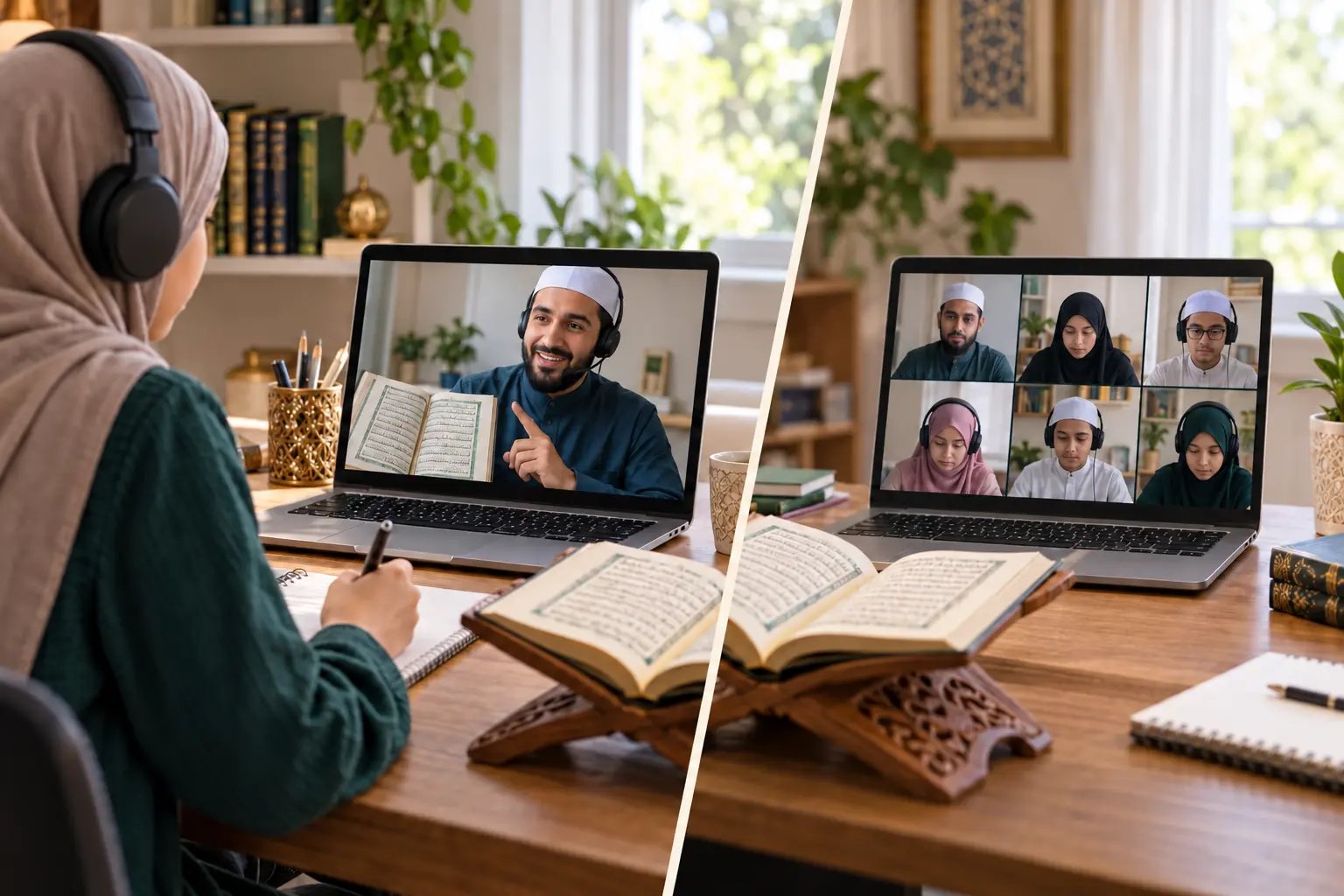
When you search for online tajweed classes, you’ll typically find two formats: group classes and one-to-one sessions. Both can produce results, but they serve different kinds of learners, and understanding the difference will help you choose the right fit before you commit.
Group online Tajweed classes place several students together in one virtual session with a shared teacher. They tend to be more affordable and can offer a sense of community, especially for children learning alongside peers. The trade-off is individual attention: in a class of six or eight students, each person might only recite for a few minutes per session, which slows the correction of personal Makharij mistakes.
1-on-1 quran tajweed online classes, by contrast, dedicate the entire session to a single student. Every minute of class time is spent listening to your recitation and correcting it in real time. This format is generally recommended for anyone serious about correcting long-standing pronunciation habits, preparing for an Ijazah, or progressing efficiently as an adult learner with limited weekly time.
If your goal is simply memorization support or bulk practice with peers, tajweed classes online in a group setting can work. But if your goal is to actually fix your Makharij, refine Ghunnah timing, or move toward a Sanad-verified Ijazah, one-to-one instruction consistently produces faster, more accurate results — which is why it’s the format used throughout this course.
Understanding the Core Tajweed Terms (Quick Glossary)
If you’re new to this, some of the terminology can feel overwhelming. Here’s a plain-English breakdown of the terms you’ll encounter throughout this online tajweed course with certificate:
- Makharij al-Huruf — the exact points in the mouth, throat, or lips where each Arabic letter originates. There are traditionally 17 recognized articulation points across five general regions (the throat, tongue, lips, nasal cavity, and the empty space of the mouth/throat used for long vowels).
- Ghunnah — a nasal sound (roughly two counts long) that occurs with the letters Noon (ن) and Meem (م) under specific conditions.
- Idgham — merging one letter into the next so they blend into a single sound, rather than being pronounced separately.
- Ikhfa — “hiding” a letter’s sound partway, blending it with a nasal tone rather than pronouncing it fully or dropping it.
- Iqlab — converting the sound of Noon Sakinah or Tanween into a Meem sound when followed by the letter Ba (ب).
- Izhar — pronouncing a letter clearly and distinctly, with no merging or hiding.
- Qalqalah — a light echoing or bouncing sound applied to five specific letters (ق, ط, ب, ج, د — remembered by the phrase “Qutb Jad”) when they carry a sukoon.
- Madd — the prolongation of a vowel sound for a specific number of counts, with several sub-types depending on what follows the elongated letter.
Knowing these terms by name isn’t the goal — being able to apply them correctly, live, in your recitation is. That’s the difference between reading about Tajweed and actually mastering it with a tajweed teacher online who can correct you in real time.
The Articulate & Apply Method
We do not just teach you Tajweed theory. We train your tongue, mouth, and ear until correct recitation becomes second nature.
1. Visual Makharij Training
We use 3D articulation diagrams and mirror exercises to show you exactly where each sound originates, in your throat, on your tongue, at your teeth, or on your lips.
3. Active Recitation & Correction
You recite, your tutor corrects instantly. No waiting until the end of the class. No vague feedback. Real-time, specific correction that prevents wrong habits forming.
2. Rule Deconstruction
Complex rules like Ikhfa, Idgham, and Iqlab are broken down into clear, logical explanations in plain English, so you understand the why, not just the what.
4. Spaced Repetition Review
Each class begins with a short review of the previous session's rules, applied to new verses. This cements rules in long-term memory rather than short-term recall.
More Than Just Reading Your Recitation Transformation
By the end of this Online Tajweed Course, you won’t just read the Quran; you will recite it with the beauty and precision it deserves.
Flawless Articulation (Makharij)
Stop struggling with difficult letters. You will retrain your tongue to pronounce every letter—from the throat (Halq) to the lips—exactly like a native Arab speaker.
Mastery of Tajweed Rules
Move from guessing to knowing. You will understand the science behind every rule knowing exactly when to elongate (Madd), merge (Idgham), or hide (Ikhfa) a sound.
Soulful Fluency (Tarteel)
Replace choppy, hesitant reading with a smooth, melodious flow. Correct Tajweed unlocks the emotional power of the Quran, deepening your Khushu (focus) in Salah.
The Ultimate Goal: Ijazah
For advanced students, we offer a pathway to a formal Tajweed Ijazah. Recite the whole Quran to a Sanad-holding Sheikh and join the chain of transmission back to the Prophet (SAW).
What Is an Ijazah, and Why Does the Sanad Matter?
An Ijazah (إجازة) is a formal certification granted by a qualified teacher, authorizing a student to recite — and in some cases teach — the Quran according to a specific transmission. What makes an Ijazah unique in Islamic education is the Sanad: a named, unbroken chain of teachers stretching back, generation by generation, to the Prophet Muhammad ﷺ himself.
This isn’t a symbolic formality. The Sanad is the mechanism by which Muslims have verified the accuracy of Quranic recitation for over fourteen centuries — each link in the chain represents a teacher who personally recited to, and was corrected by, the teacher before them. When you complete a recitation under a Sanad-holding Sheikh, your recitation is formally verified as matching this authenticated chain of transmission, most commonly according to the riwayah of Hafs ‘an ‘Asim, the most widely transmitted reading of the Quran today.
For students pursuing the Ijazah track, expect the process to include full recitation of the Quran (or selected portions, depending on the Ijazah type) to your Sheikh, correction of any errors, and formal certification once your recitation is verified as accurate and error-free.
Detailed Tajweed Course Curriculum
Module 1: The Foundation – Mastering the Arabic Alphabet
(Ideal for complete beginners or children starting fresh)
We start from the very beginning. You will learn the correct identification and pronunciation (Makharij) of every letter.
What You Will Learn:
The 28 Arabic letters and their unique sounds.
- Heavy vs. Light letters (Tafkheem & Tarqeeq).
- Proper articulation points (Makharij) for difficult letters (like ‘Ain and Ha).
- Writing shapes: How letters look at the start, middle, and end of words.
You will be able to recognize and pronounce all Arabic letters correctly from any text.
Module 2: Building Words – Vowels (Harakat) & Connections
(Moving from letters to reading actual words)
Learn how to bring letters together to form words using short vowels, long vowels, and special symbols.
What You Will Learn:
- Short Vowels: Fatha, Kasra, and Damma.
- Long Vowels (Madd Asli): Stretching sounds correctly.
- Sukoon & Shaddah: Mastering the pause and the emphasis.
- Tanween: Pronouncing the “N” sound at the end of nouns.
- You will be able to read short sentences and combine letters into full Arabic words fluently.
Module 3: Introduction to Tajweed – The Rules of Beauty
(Refining the recitation with essential rules)
This module introduces the core rules that give the Quranic recitation its distinct rhythm and beauty.
What You Will Learn:
- Nun Sakinah & Tanween Rules: Izhar, Idgham, Iqlab, and Ikhfa.
- Mim Sakinah Rules: Correct pronunciation of the “M” sound.
- Qalqalah: The echoing sound mechanism for 5 specific letters.
- Ghunna: Mastering the nasal sound with correct timing.
You will be able to apply basic Tajweed rules to common verses, significantly improving the “flow” of your reading.
Module 4: Advanced Tajweed & Fluency
(For students aiming for perfection)
Deepen your understanding of complex rules and start practicing on longer Surahs.
What You Will Learn:
- The Rules of Madd (Prolongation): Madd Lazim, Madd Muttasil, and Madd Munfasil.
- Stop & Start (Waqf & Ibtida): Knowing exactly where to pause without changing the meaning.
- Hamzatul Wasl: How to connect verses seamlessly.
- Special Symbols in the Mushaf: Understanding markings in the Uthmani script.
You will be able to recite any page of the Quran with high accuracy and proper rhythm.
Module 5: Practical Application (Tilawah)
(Putting it all together)
Direct application of all previous levels by reciting Juz 30 (Juz Amma) under the guidance of a tutor.
What You Will Learn:
- Correction of Surah Al-Fatiha (Critical for prayer).
- Practice reading short Surahs from Juz Amma.
- Identifying rules “on the fly” while reading.
- Melodic tone: Improving the voice quality during recitation.
You will complete the course ready to recite the Holy Quran independently with confidence and correct Tajweed.
From Juz Amma to Juz 3: Continuing Your Recitation Journey
Module 5 of this course focuses on Juz Amma (Juz 30) — the ideal starting point, since its Surahs are shorter and repeated frequently in daily prayer. Once you’ve built a solid foundation here, many students choose to continue their progress with a dedicated learn quran reading with tajweed juz 03 course, applying the same Makharij, Ghunnah, and Madd rules to longer verses and more complex sentence structures found later in the Quran.
This progressive approach — mastering short, familiar Surahs before moving into longer Juz — mirrors how Tajweed has traditionally been taught for centuries: building fluency and confidence incrementally, rather than overwhelming a student with difficult passages too early.
Certification: What You Actually Receive
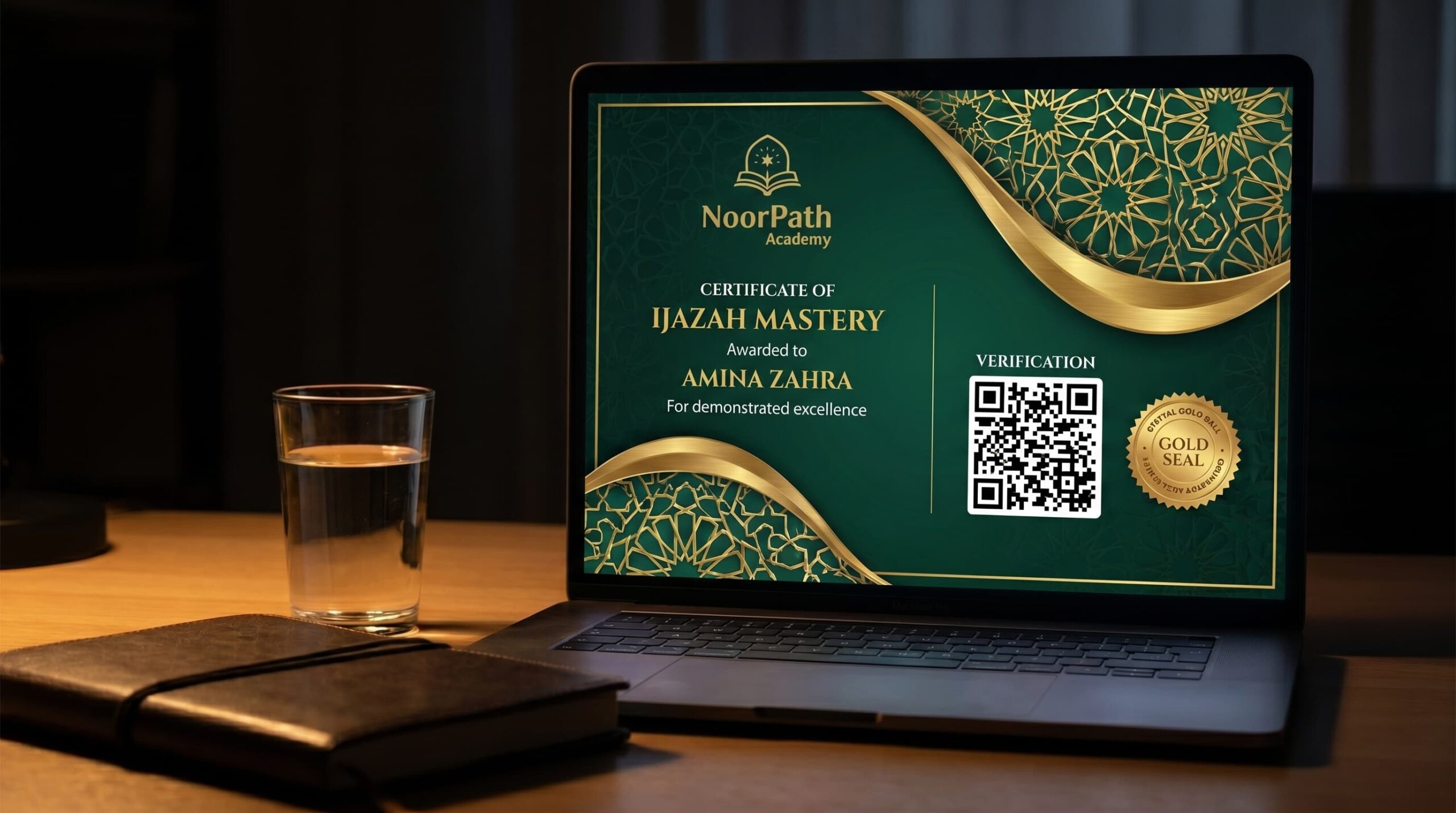
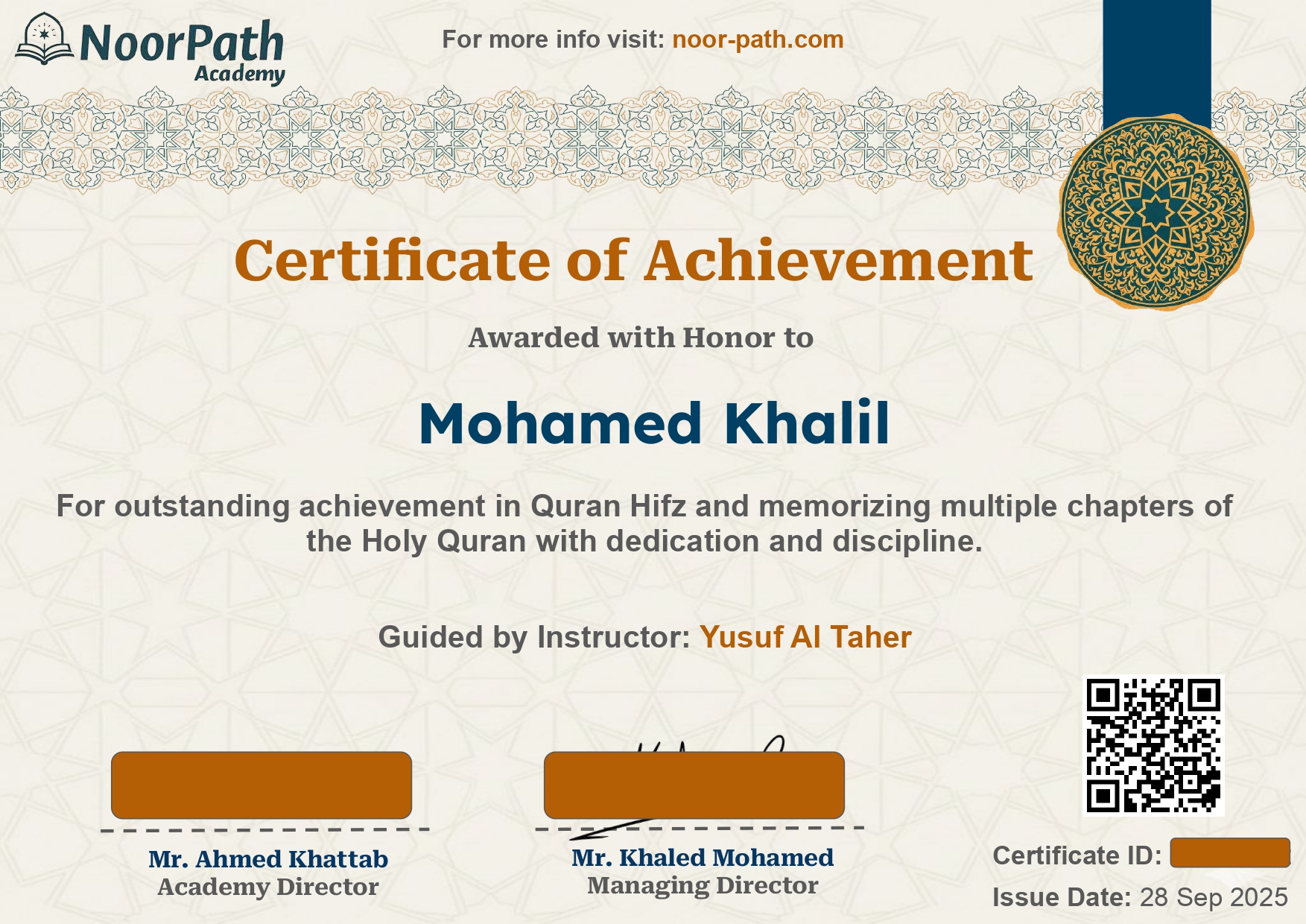
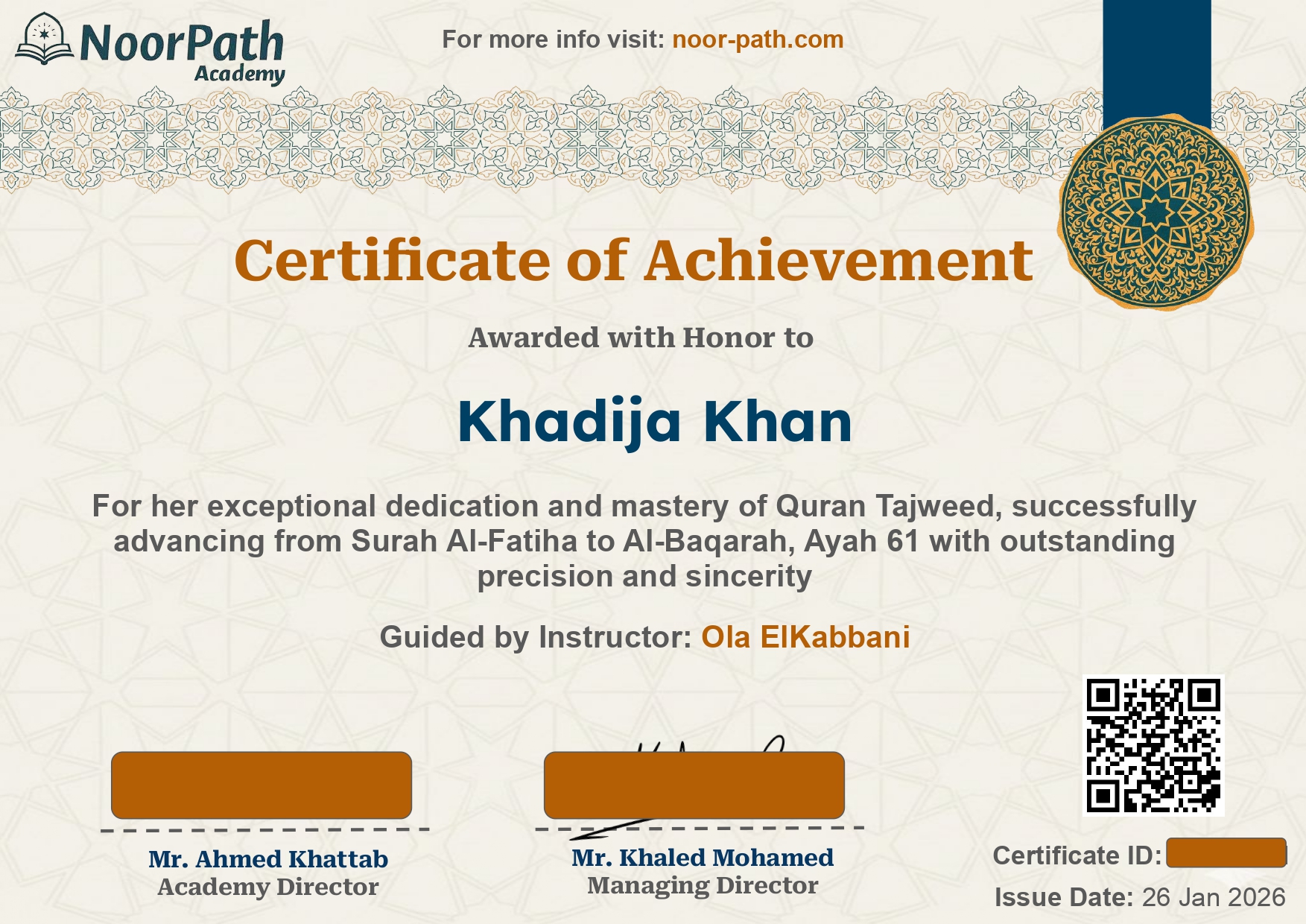
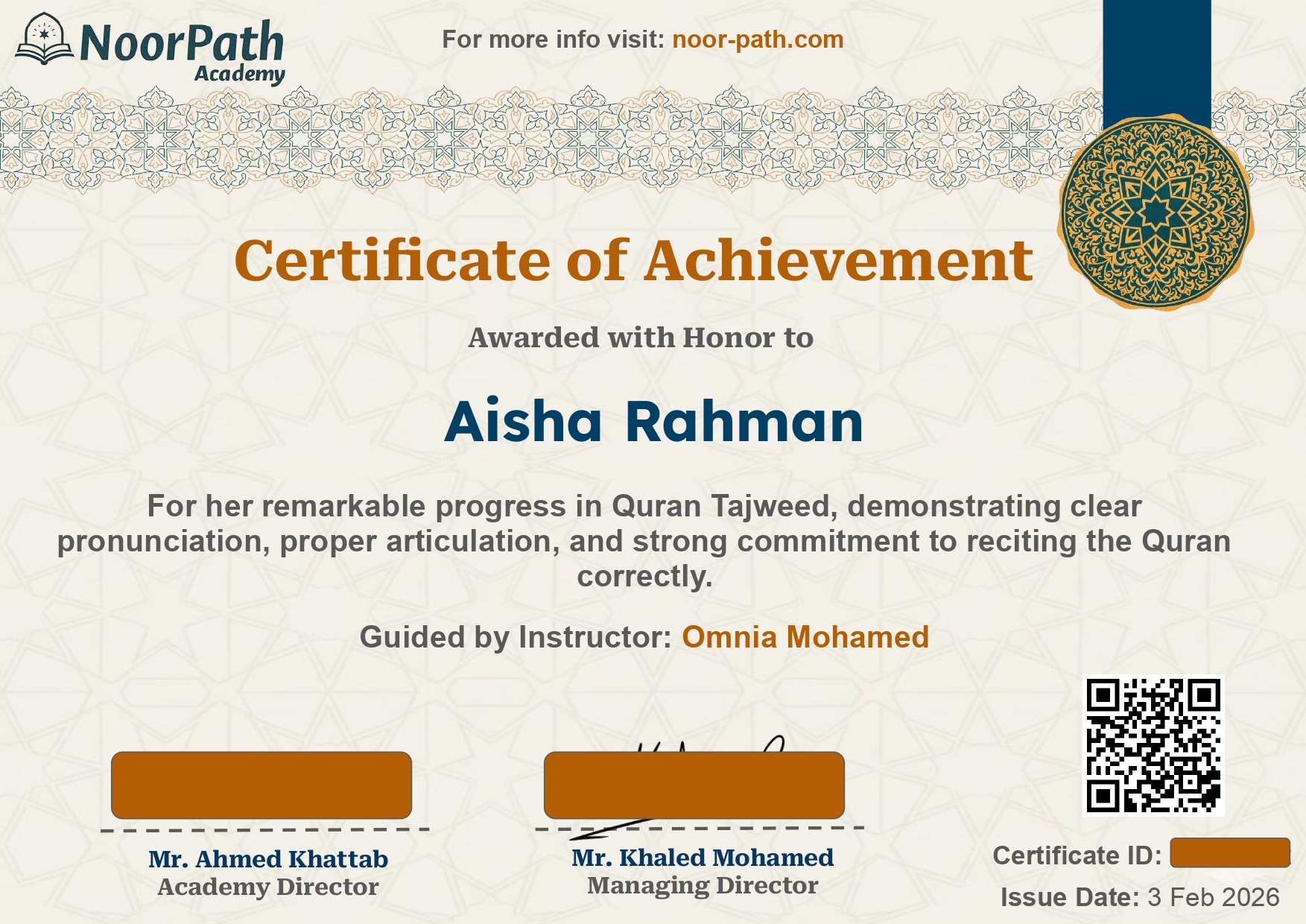
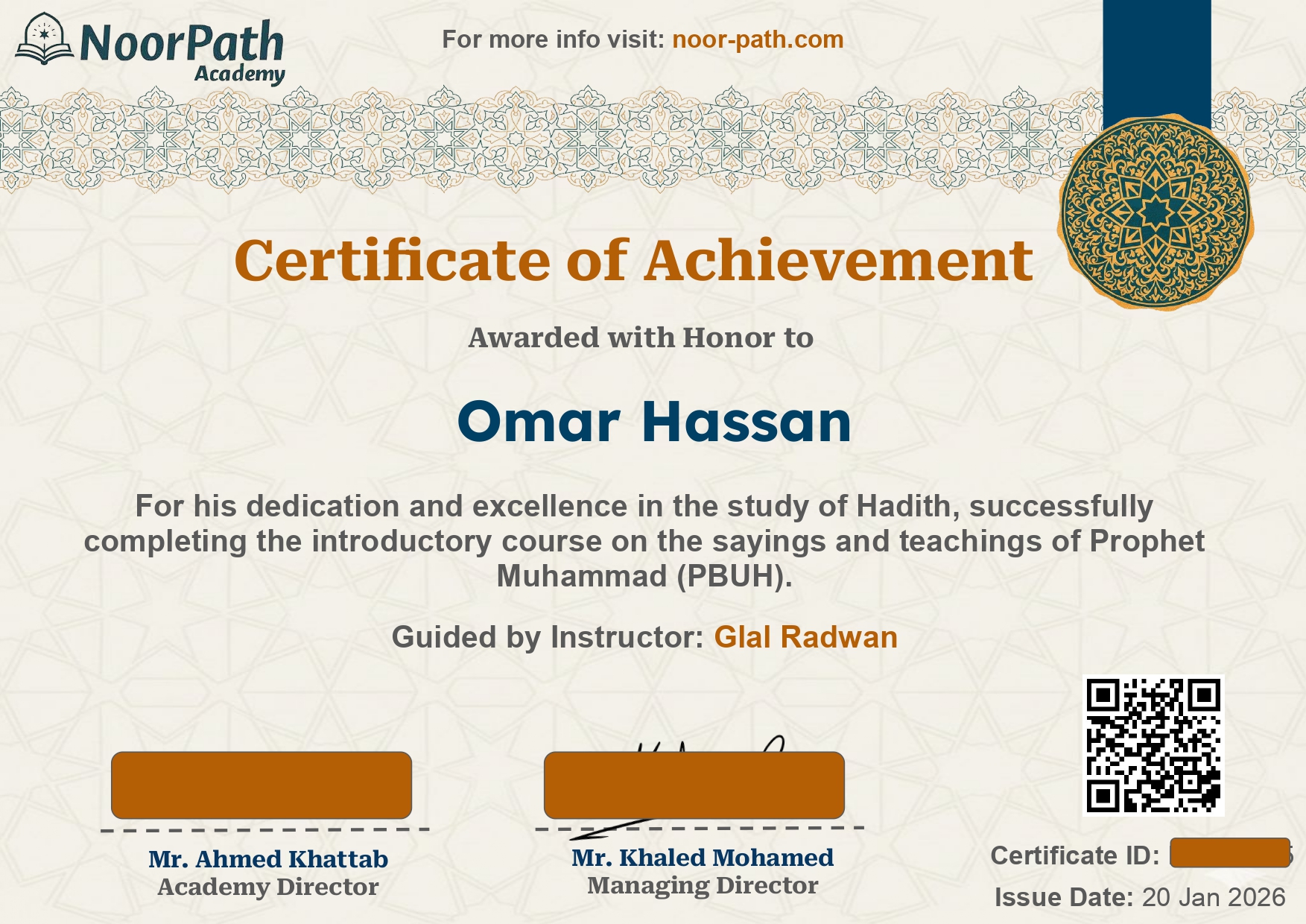
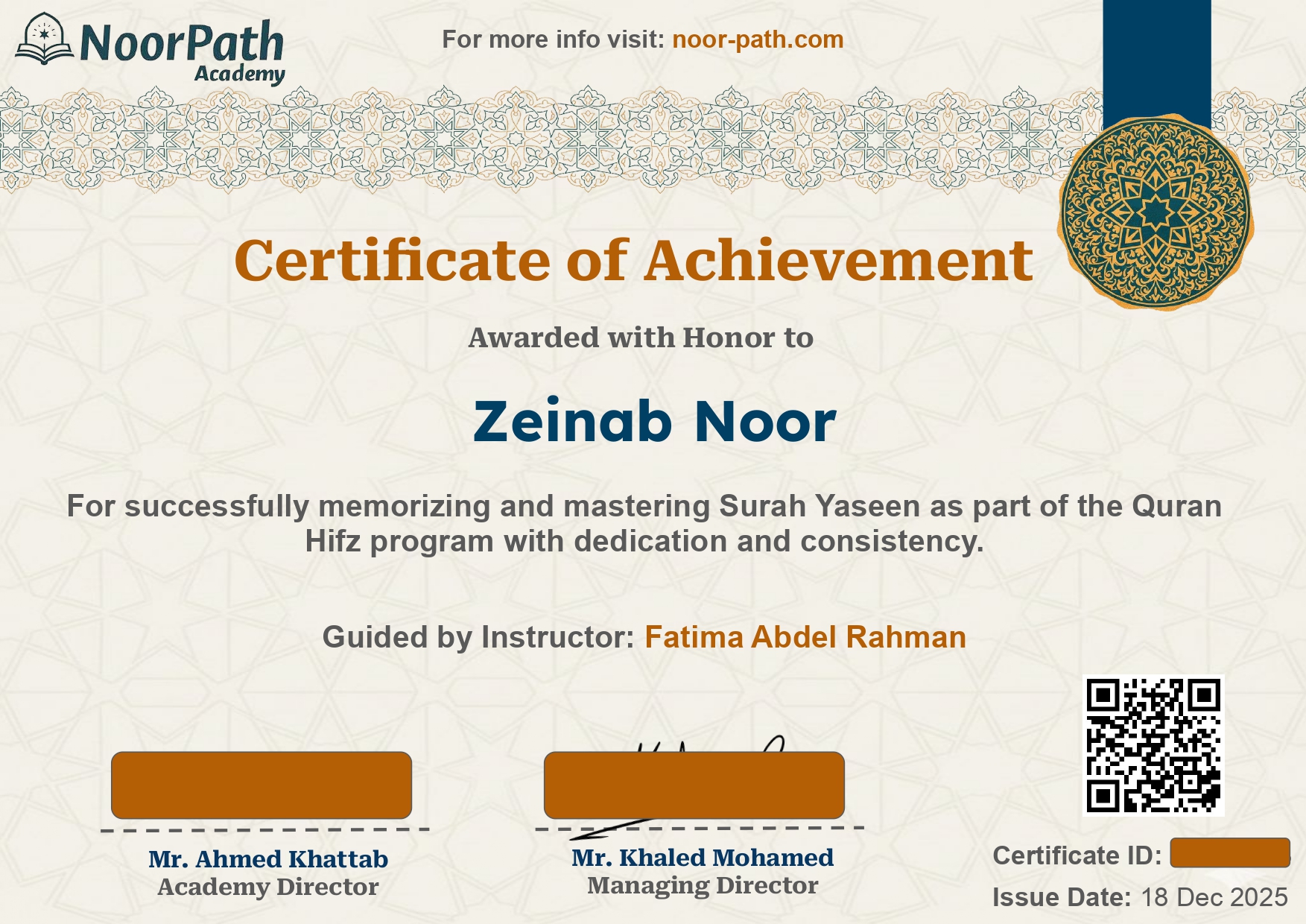
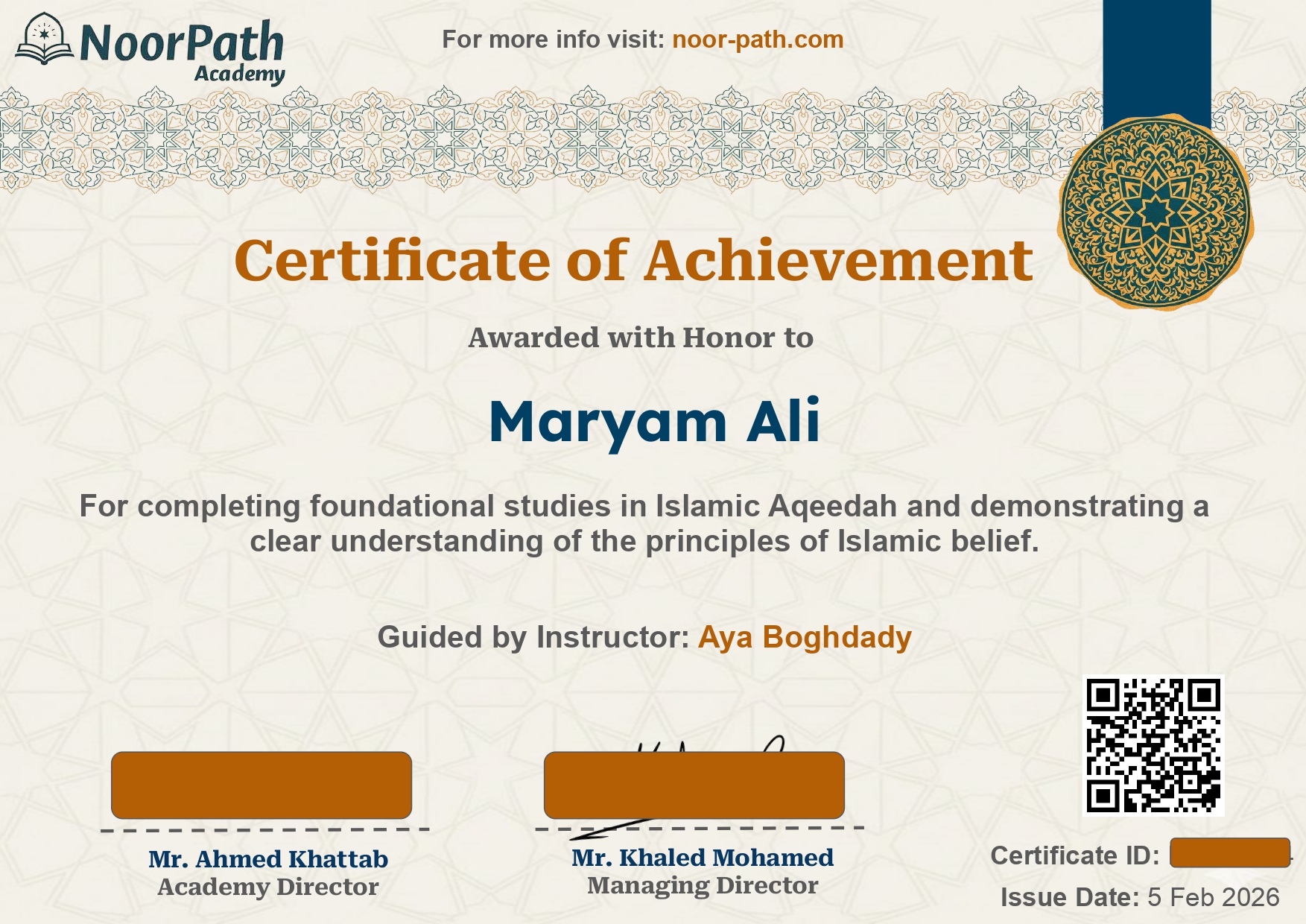
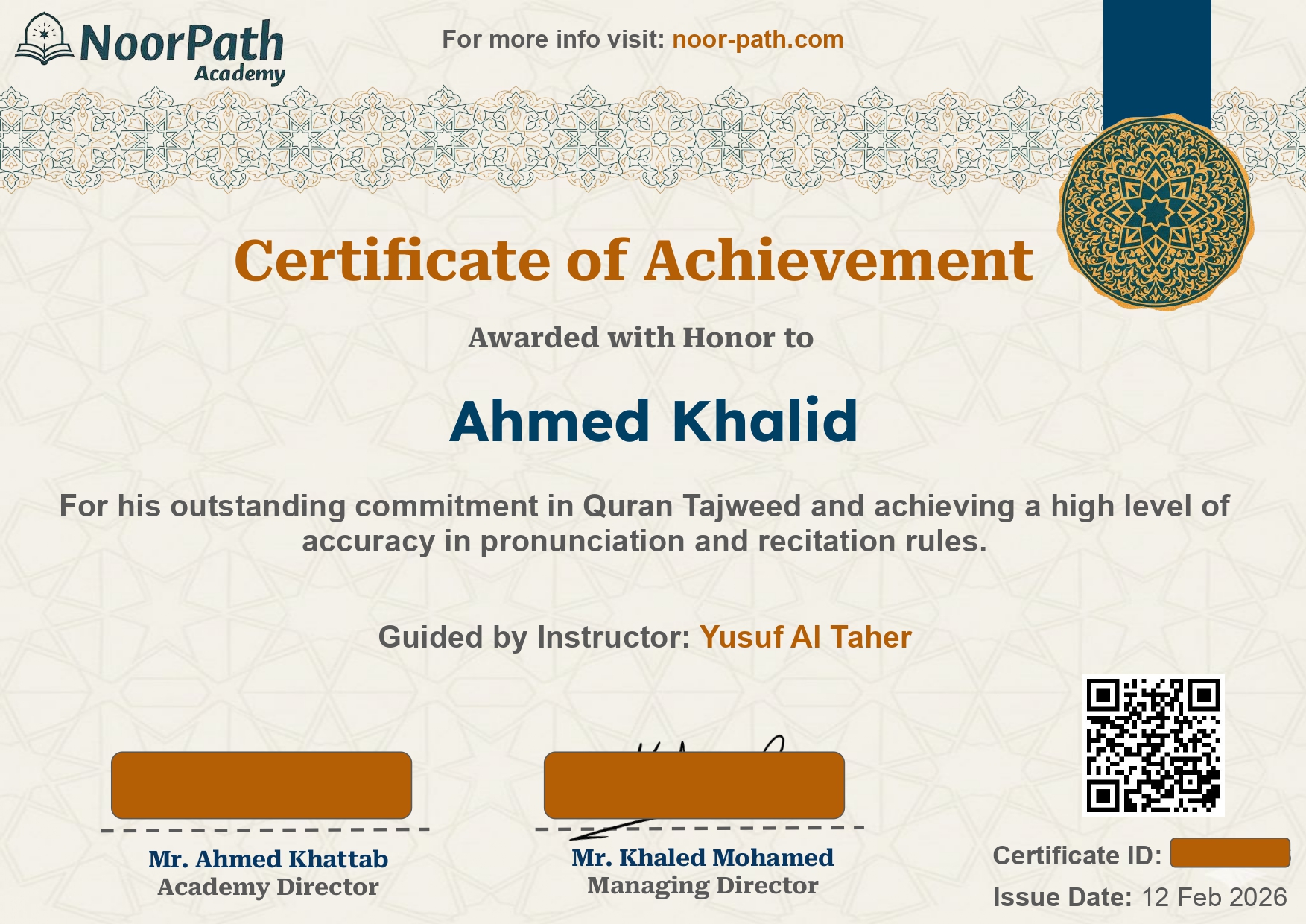
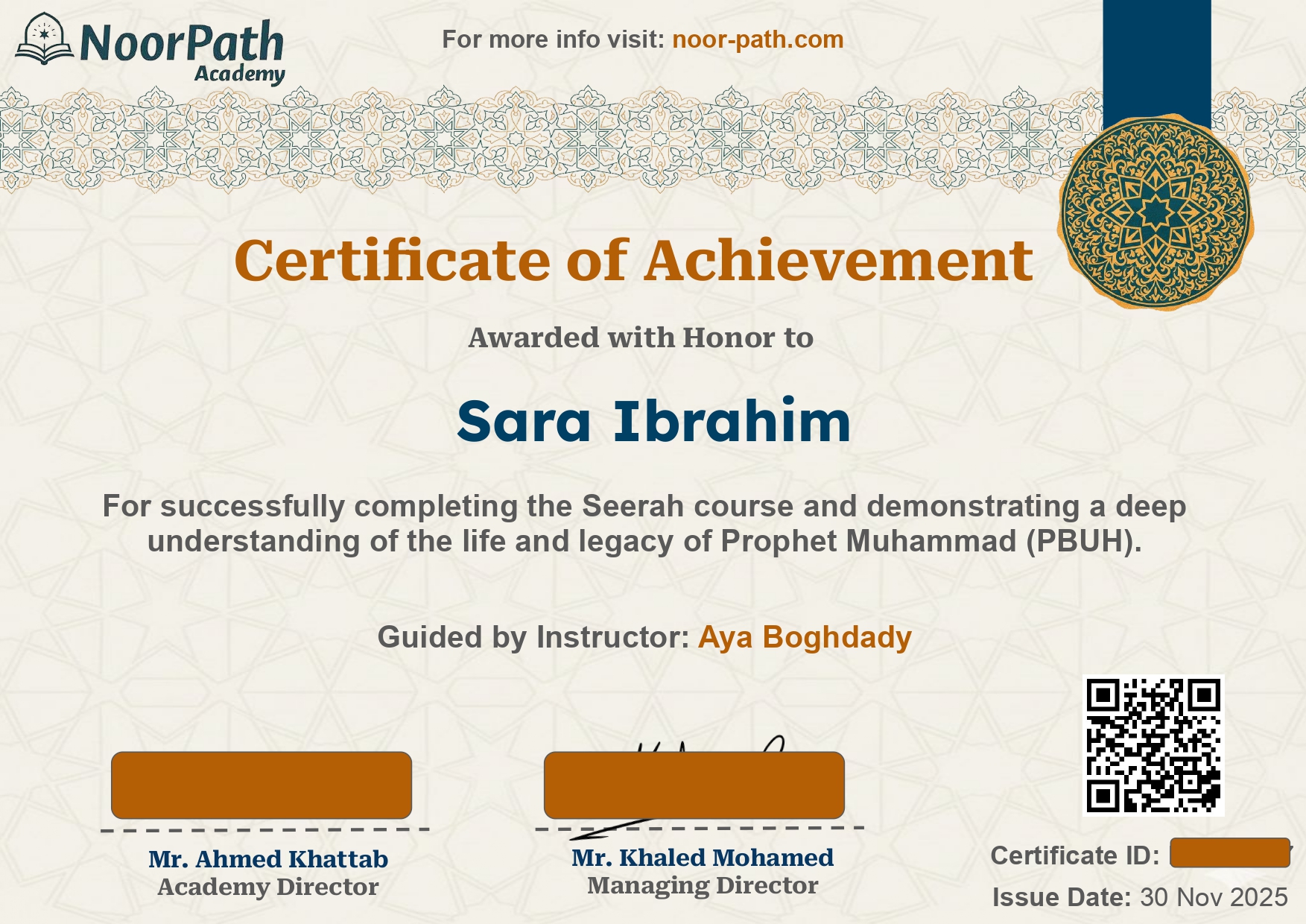
This is structured as an online tajweed course with certificate at every completed level — you’ll receive a Certificate of Completion once you finish the core curriculum (Modules 1–5), documenting the rules and skills you’ve mastered. Students who wish to go further can continue onto the Ijazah track, which — unlike the standard completion certificate — requires full verified recitation to a Sanad-holding Sheikh and results in a formal, chain-of-transmission Ijazah rather than a general certificate. Both credentials are legitimate and valuable; they simply serve different goals, and your tutor can help you decide which path fits your intentions.
Common Mistakes Students Make When Learning Tajweed Online
- Skipping Makharij training to “get to the rules faster.” Without correct articulation points, even a technically correct rule will sound off. Makharij is the foundation everything else is built on.
- Practicing without live correction. Watching videos alone lets incorrect habits form silently — by the time you notice, you’ve repeated the mistake hundreds of times.
- Memorizing rule names without applying them. Knowing that “Ikhfa” exists isn’t the same as instinctively applying it while reciting. Application matters more than terminology.
- Rushing through Waqf and Ibtida. Stopping and starting in the wrong place can genuinely change the meaning of a verse — this is treated seriously in the Tajweed sciences and deserves dedicated practice time.
- Comparing your voice to others. Tajweed is about correct application of rules, not vocal talent. A technically correct, humble recitation is valued over a beautiful voice applied incorrectly.
Learn from Certified Tajweed Experts
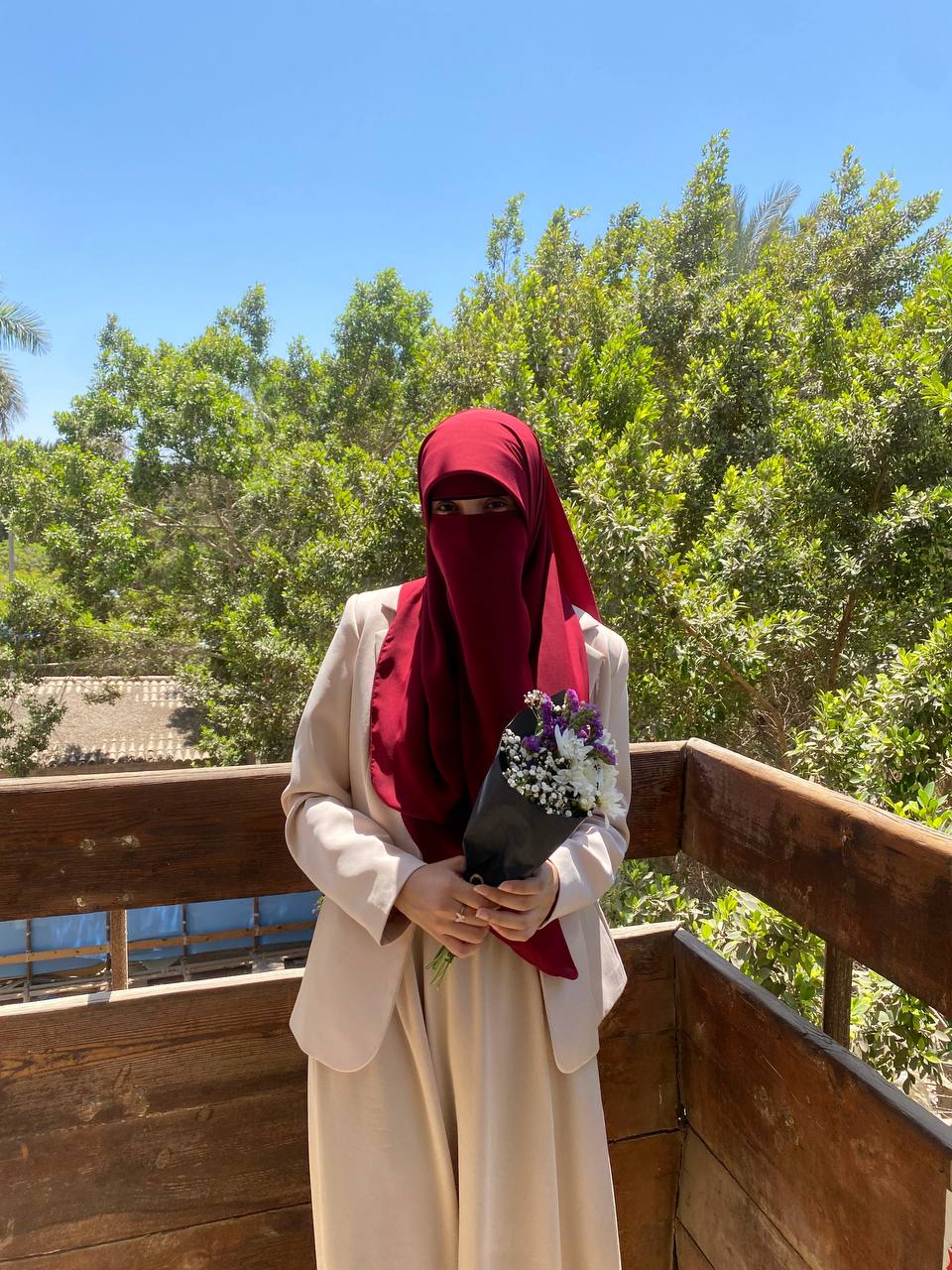
Fatima Abdul Rhman
5+ years
Qur’an Recitation (Tajweed)
Islamic Studies (Aqeedah, Seerah, General Islamic Knowledge
Fatima Abdul Rhman is a dedicated Qur’an and Islamic Studies teacher with over 5 years of teaching experience, working with both Arabic and read more…
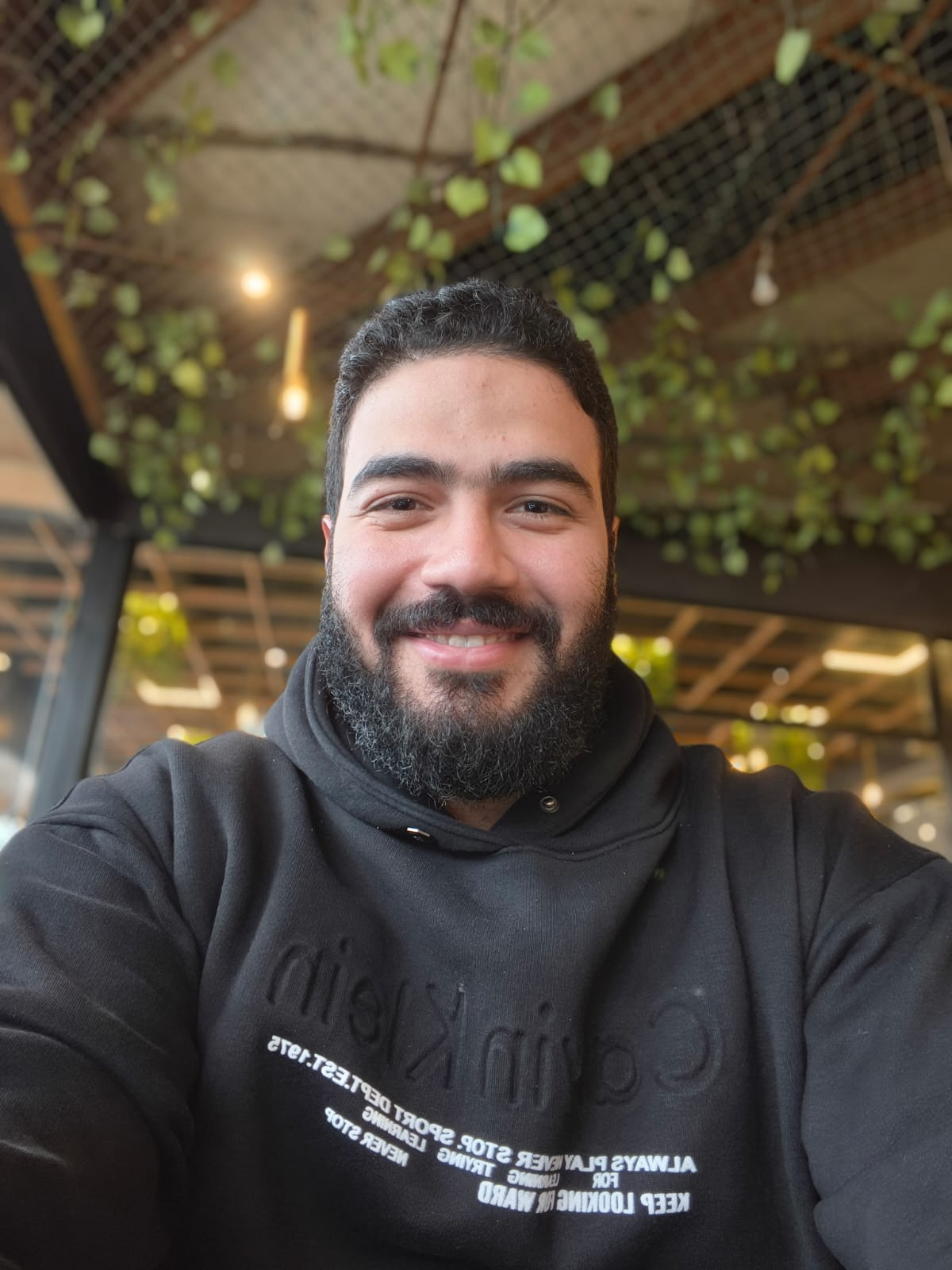
Jalal Al-Ridwan
7+ years
Qur’an Recitation (Tajweed & Qira’at)
Qur’an Memorization (Hifz)
Islamic Studies (including Fiqh)
Jalal Al-Ridwan is a dedicated Qur’an and Islamic studies teacher from Egypt, with a strong academic foundation from Al-Azhar. He has been studying at read more…
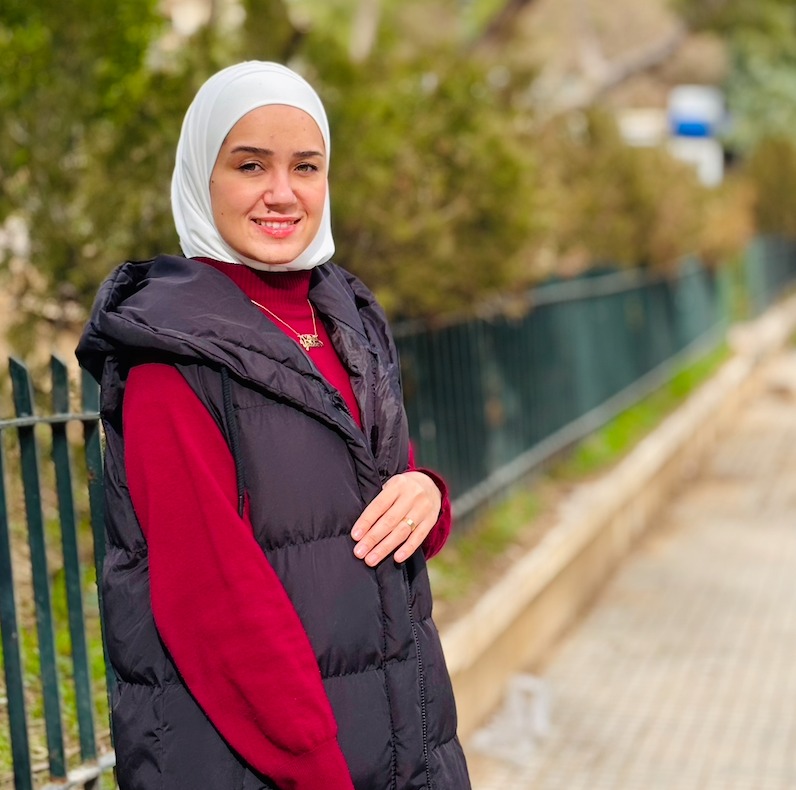
Aya Boghdady
3+ years
Islamic Studies (Aqeedah, Seerah, Hadith, General Islamic Knowledge)
Aya Boghdady is a passionate Islamic Studies instructor with over 3 years of teaching experience, dedicated to helping students understand their religion in a clear, practical, and meaningful way. read more…
Yusuf El Taher
5+ years
Qur’an Recitation (Tajweed)
Arabic Language
Islamic Studies
My name is Yusuf El Taher, and I am a dedicated educator at NoorPath Academy with over 5 years of experience teaching students from diverse read more..
Ola El Kabani
12+ years
Qur’an Recitation (Tajweed)
Qur’an Memorization (Hifz)
Ola El Kabani is a dedicated Qur’an teacher with over 12 years of teaching experience, with a strong focus on recitation, Tajweed, and memorization (Hifz). She is read more…
Ahmed Khatab
5+ years
Qur’an Recitation (Tajweed)
Islamic Studies
My name is Ahmed Khatab, and I am a committed Qur’an and Islamic Studies teacher at NoorPath Academy with over 5 years of teaching experience, read more…

Omnia Moahmed
4+ years
Qur’an Recitation (Tajweed)
Qur’an Memorization (Hifz)
Omnia Mohamed is a dedicated Qur’an and Tajweed teacher with over 4 years of teaching experience, working with both Arabic and non-Arabic speakers. She is passionate about helping students of all ages read more…
Norhan Ramy
4+ years
Quran Recitation (Tajweed)
Arabic Language
Islamic Studies
Norhan Ramy has over four years of experience teaching Quran, Arabic, and Islamic Studies. Throughout her teaching career, she has worked with students read more…
Why Choose NoorPath for Your Tajweed Course?
- Interactive Tajweed course curriculum with visual diagrams.
- Patient tutors who specialize in teaching Western students.
- Flexible scheduling (24/7) to fit your work/school life.
- Recordings of your classes to review your progress.
- Certificate of Completion upon finishing each level.

Student Testimonial

My daughter finally started enjoying memorization instead of feeling pressured. The step-by-step pace and revision routine made a huge difference for us.
Amina Khan, UK
I work full-time, so I thought Hifz was unrealistic for me. This class gave me structure, accountability, and real progress every week.
Omar El-Sayed, Canada

The teacher was patient, and my son stayed motivated because each lesson felt organized and achievable. We can already see strong improvement.
Yusuf Rahman, USA
I used to make the same pronunciation mistakes again and again. After a few weeks here, my recitation became much clearer and more confident.
Fatima Noor, South Africa

The corrections were gentle but precise, which made learning easy to follow. I now understand the rules instead of just memorizing them.
Abdul Rehman, Pakistan

The Quran Tajweed course helped my kids recite with better focus and better pronunciation. The one-on-one attention really stands out.
Mariam Hassan (Mother), Germany
I finally feel like I am reciting with more awareness and control. The lessons are practical, clear, and very encouraging.
Zainab Ali, Ireland

The Aqeedah course gave me clarity on beliefs I had heard all my life but never properly understood. The lessons were simple, structured, and meaningful.
Hamza Siddiq, USA
I liked how the teacher explained everything with patience and examples. It made the subject feel relevant to daily life, not just theory.
Maryam Saleh, Malaysia
My faith feels stronger because I now understand the foundations better. The course helped me connect knowledge with conviction.
Ibrahim Farooq, UK
It was easy to follow, even as a beginner. I came away with a much clearer understanding of the basics of belief in Islam.
Aisha Rahman, Canada

I finally understand the practical rulings behind everyday worship. The lessons were organized in a way that made real-life application easy.
Bilal Khan, Australia
The Fiqh course helped me answer questions I had for years about prayer, purity, and daily practice. It felt very useful and relevant.
Huda Karim, USA
I appreciated that the teacher explained the evidence and the wisdom behind the rulings. It made the subject much easier to trust and remember.
Faris Omar, South Africa
The pace was comfortable, and the explanations were clear enough for someone who is not a scholar. I feel much more confident now.
Noor Abdullah, UK
The Hadith course made me appreciate the Hadith much more deeply. I learned not just the wording, but the context and practical lessons too.
Salman Aziz, Pakistan
The teacher made a serious subject feel approachable. I now understand how Hadith connects directly to everyday Muslim life.
Hassan Ibrahim, Canada
My son became more interested in the Sunnah after joining this class. The explanations were clear, engaging, and age-appropriate.
Yasmin Omar (Mother), UAE
I liked how the lessons were broken down into manageable parts. It helped me stay consistent and actually remember what I learned.
Ahmad Saleem, Germany
I started as a complete beginner, and now I can read with far more confidence. The live correction really helped me improve fast.
Ahmed Zayed, USA
The class felt personal and practical. I especially liked how the teacher focused on speaking, reading, and understanding together.
Lina Hassan, UK

Arabic used to feel intimidating, but this course broke it down step by step. Now I actually enjoy learning it.
Faisal Omar, Canada
I can already see real progress in my pronunciation and reading. The lessons are patient, clear, and very well structured.
Noha Ali, Malaysia
This track gave me a full foundation in Islam instead of isolated topics. It feels balanced, organized, and easy to keep up with.
Abdul Rahman, Canada
I wanted a course that would help me and my children learn together, and this was exactly that. The lessons are broad but still very clear.
Fatima Saleh, USA
The combination of different subjects made the learning experience much richer. I liked that everything was taught in a connected way.
Yusuf Ali, Germany
Frequently Asked Questions About Our Online Tajweed Course
What is Tajweed and why is it important for every Muslim?
Tajweed (تجويد) is the set of phonetic rules that govern how the Quran is recited correctly — ensuring every letter is pronounced from its correct articulation point with its correct characteristics. It is important for every Muslim because reciting Surah Al-Fatiha with correct Tajweed is obligatory in every prayer. A mistake that changes a word’s meaning is considered a major error (Lahn Jali) that can affect the validity of your Salah. Beyond obligation, correct Tajweed is what gives the Quran its beautiful, distinct sound.
Do I need to know Arabic to join this online Tajweed course?
You do not need to speak or understand Arabic. However, you should be able to read the basic Arabic letters. If you are a complete beginner who cannot read the script at all, we recommend starting with Module 1 of this course (Arabic Alphabet & Makharij). which is specifically designed for complete beginners, before progressing to the Tajweed rules modules.
How long does it take to learn Tajweed online?
Most students achieve competent Tajweed in 6–12 months with 2–3 lessons per week in our 1-on-1 format. This is significantly faster than group classes because every session is focused entirely on your specific mistakes and your pace. Students aiming for a formal Tajweed Ijazah typically study for 2–3 years. In your free trial, your tutor will give you a personalised estimate based on your current level.
Are your Tajweed tutors qualified and certified?
Every NoorPath tutor holds a formal Ijazah, the Islamic certification that grants permission to teach the Quran, and is fully fluent in English. Many of our instructors are graduates of Al-Azhar University in Cairo, one of the world’s oldest and most respected centres of Islamic scholarship. All tutors are individually selected and regularly assessed for teaching quality.
Is there a free Tajweed trial class available?
Yes. We offer a completely free, no-obligation trial class. You will be matched with a certified Tajweed tutor, experience our 1-on-1 teaching method, receive an honest assessment of your current recitation level, and discuss your personal goals, all before committing to any payment plan. No credit card is required to book. Setup takes around 2 minutes.
Do I need to know Arabic before starting a Tajweed course?
Is an online Ijazah recognized the same way as an in-person one?
What's the difference between a Certificate of Completion and an Ijazah?
Can adults learn Tajweed as effectively as children?
Yes. While children often absorb pronunciation patterns quickly, adults benefit from stronger conceptual understanding and can progress efficiently with structured, rule-based teaching combined with live correction from a tajweed teacher online.
What riwayah (recitation style) is taught in this course?
Is this course suitable if I already recite but want to refine my Tajweed?
How much do online Tajweed classes typically cost?
Pricing varies by provider, session length, and whether classes are 1-on-1 or group-based. As a general pattern, one-to-one online quran tajweed classes cost more per session than group classes but require fewer total sessions to reach competency, since correction is faster and more targeted. Most reputable providers offer a free trial class so you can assess value before committing to a payment plan.
Is learning Tajweed online as effective as learning in person?
Yes, provided the class is live and interactive rather than pre-recorded. The core requirement of effective Tajweed instruction is real-time listening and correction by a qualified teacher — this can happen just as effectively over video call as it can in the same room, which is why online Ijazah chains are recognized as valid (see the FAQ above on online Ijazah recognition). What matters is the live feedback loop, not the physical location of teacher and student.
What should I look for in a tajweed teacher online?
Look for a verified Ijazah, fluency in English (especially if you’re a non-native Arabic speaker), experience teaching Western or non-Arab students specifically, and a teaching style that gives you real-time correction rather than delayed or written feedback. Many students also value tutors affiliated with recognized institutions such as Al-Azhar University, since this reflects a rigorous, traditional standard of Quranic education.
Our 100% Satisfaction Promise
If you are not happy after your first week of paid classes, we will refund your money with no questions asked.
The Best Online Tajweed Course for Non-Arabic Speakers
NoorPath Academy’s online Tajweed course is built specifically for English-speaking Muslims in the United States, United Kingdom, Canada, Australia, and across the Western world. Muslim families who want authentic Quranic education without the barriers of geography or language. Our entire curriculum is taught in English by tutors who understand the unique challenges of learning Arabic phonetics as a non-native speaker.