
Iqlab in Tajweed: Its Letter, Quran Examples, and How to...
“The best of you are those who learn the Qur’an and teach it.” — Prophet Muhammad ﷺ
NoorPath Academy
Personalized 1-on-1 online courses for Kids, Adults, and Reverts. Structured learning that fits your schedule.
Al-Azhar Certified Tutors | ⭐️ 5-Star Rated by 500+ Students
Serving UK, USA, Canada +42 Countries.

A complete learning ecosystem designed for safety and
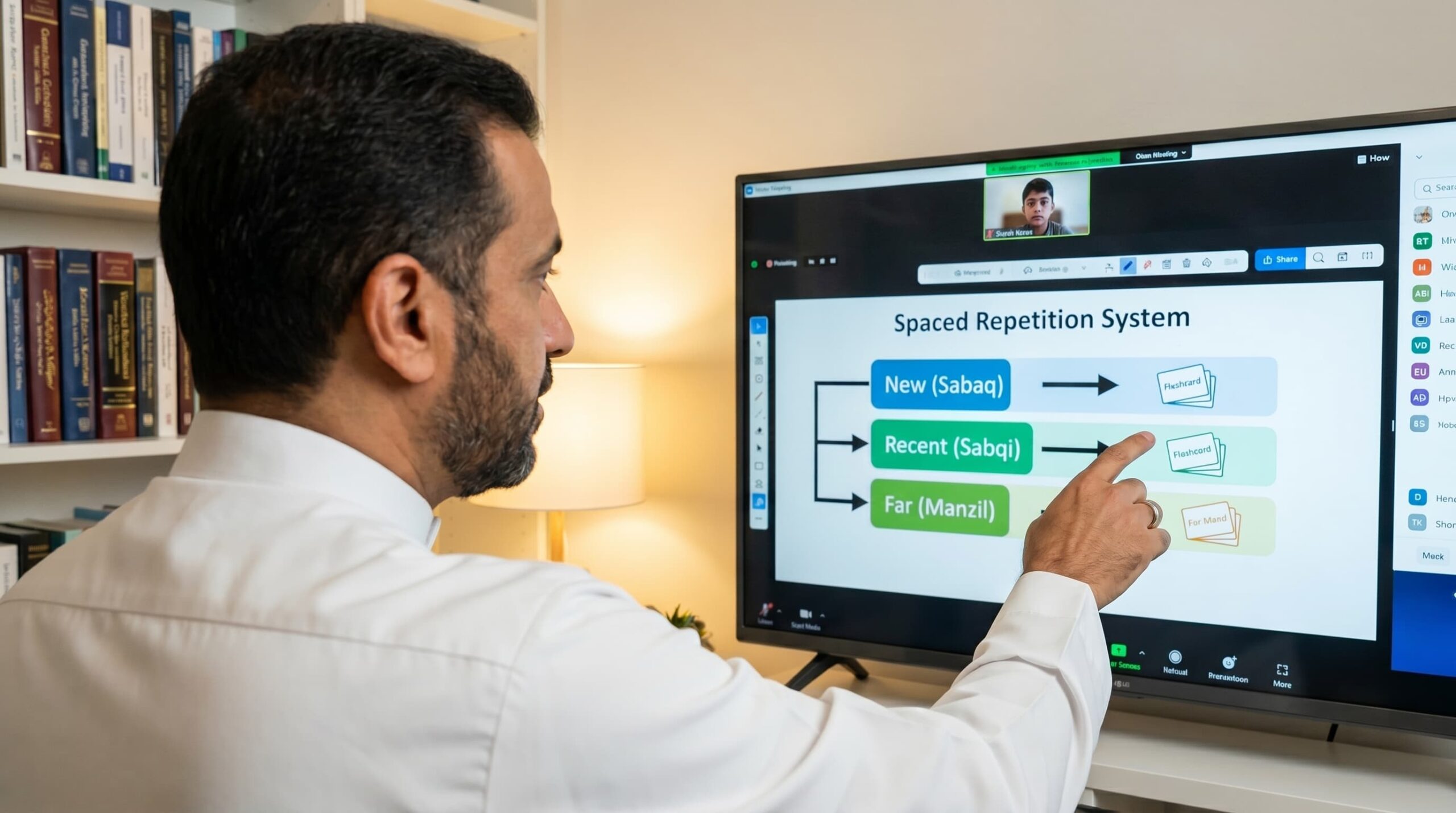
Every class in our Advanced and Elite plans is recorded. Parents can review lessons to monitor progress, and students can re-watch to practice difficult verses
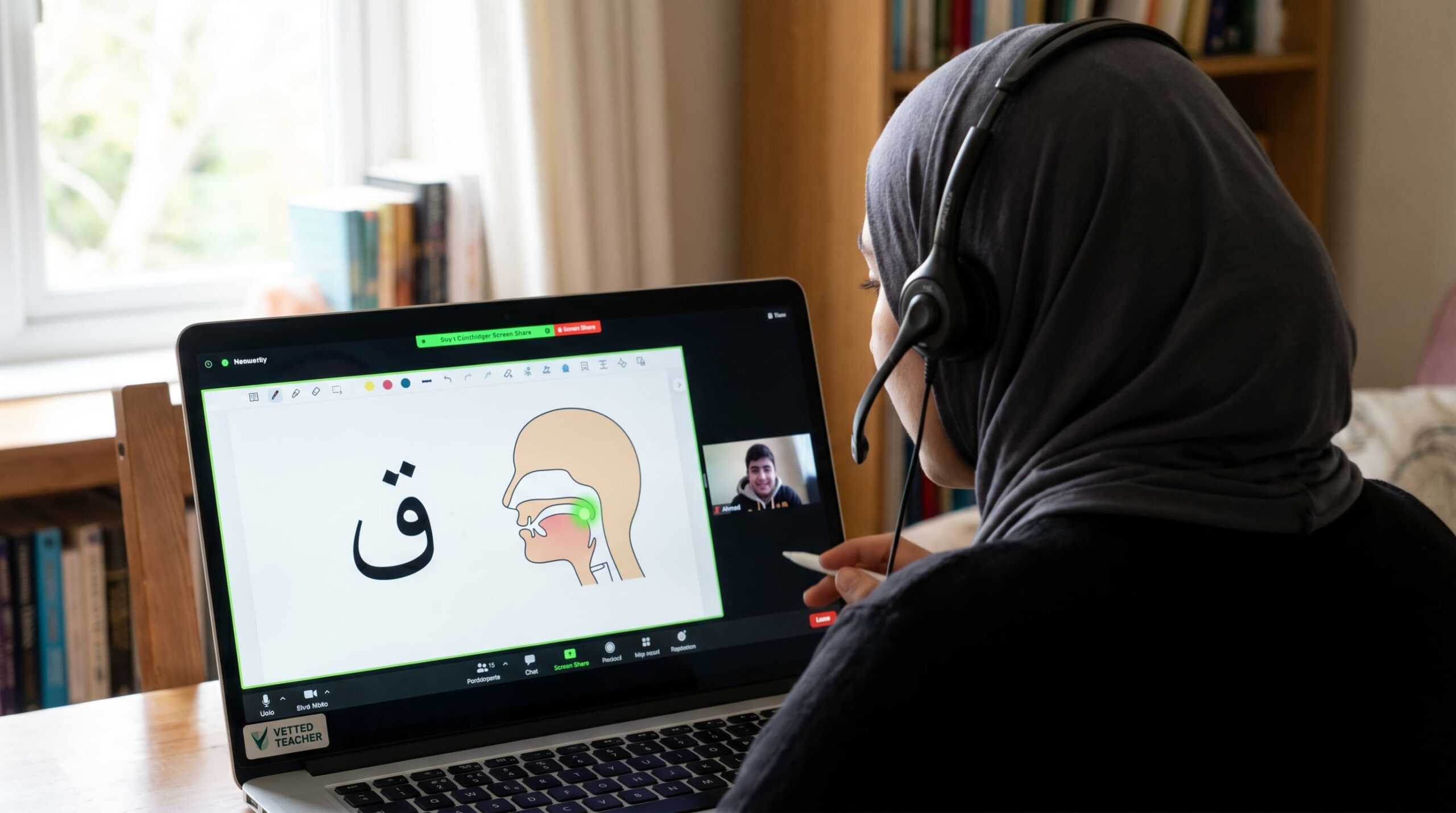
Our teachers use digital whiteboards and screen sharing to visually explain Tajweed rules, making complex concepts easy to understand.
We prioritize safety with vetted teachers and a secure portal. Female tutors are available for sisters and daughters ensuring a comfortable learning environment.

“The best of you are those who learn the Qur’an and teach it.” — Prophet Muhammad ﷺ
It’s a fair question, and one many parents and new Muslims ask before enrolling: does learning Quran through a screen “count” the way sitting with a teacher in person does?
The short answer is yes. Islamic scholars have addressed this directly. Using video calls, screen sharing, and recorded lessons to learn and teach Quran falls under permissible modern tools for education — no different in principle from using a mus’haf printed by machine instead of hand-copied by a scribe. As explained by Islamic scholarly bodies addressing modern learning tools, technology used to help someone recite correctly, memorize, and understand the Quran’s meaning is considered praiseworthy, not an innovation (bid’ah), since bid’ah applies to acts of worship performed in ways the Prophet ﷺ did not prescribe — not to the tools used to learn.
What actually matters religiously is what is being taught and how, not the medium. A real, qualified teacher listening to your recitation live, correcting your Makharij (articulation points) in real time, and guiding you through Tajweed rules is fulfilling the same core function whether you’re sitting across from them or connected through a screen. What online learning changes is convenience — not validity.
For sisters and daughters specifically, this is where the option of a female tutor matters most. Scholars note that learning directly from a female teacher is the safest and most preferable arrangement when available, as it removes any concern around unnecessary interaction between unrelated men and women. Where a male teacher is used out of necessity, adab (etiquette) guidelines — such as maintaining a normal, non-intimate tone and keeping interaction limited to instruction — are part of ensuring the learning environment stays appropriate. This is one reason we make female tutors available as a standard option, not an add-on.
Select a time that works for you. No payment info needed. Meet your teacher and discuss your goals.
Based on your evaluation, we build a custom roadmap—whether you want to memorize Hifz or just correct your recitation.
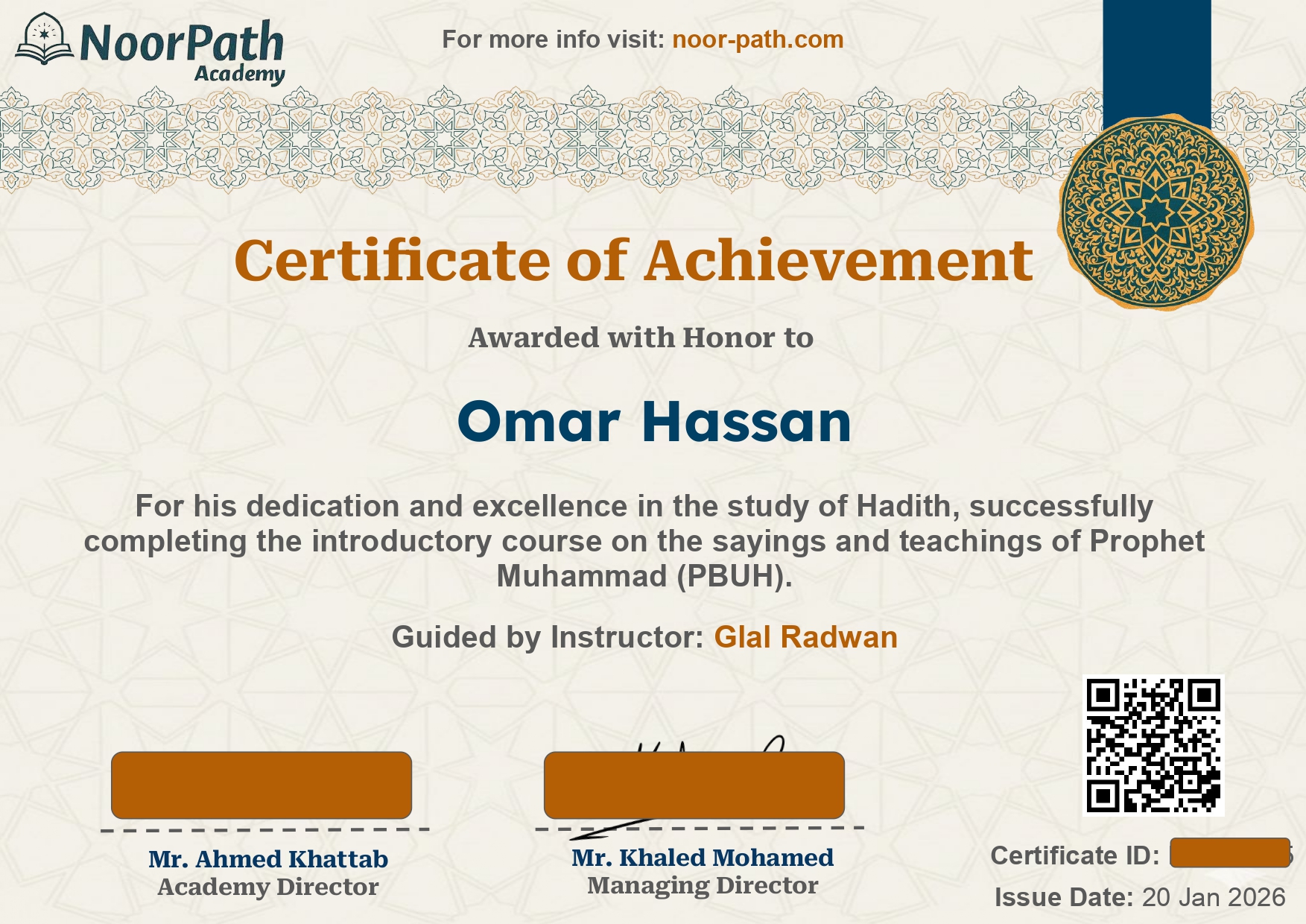
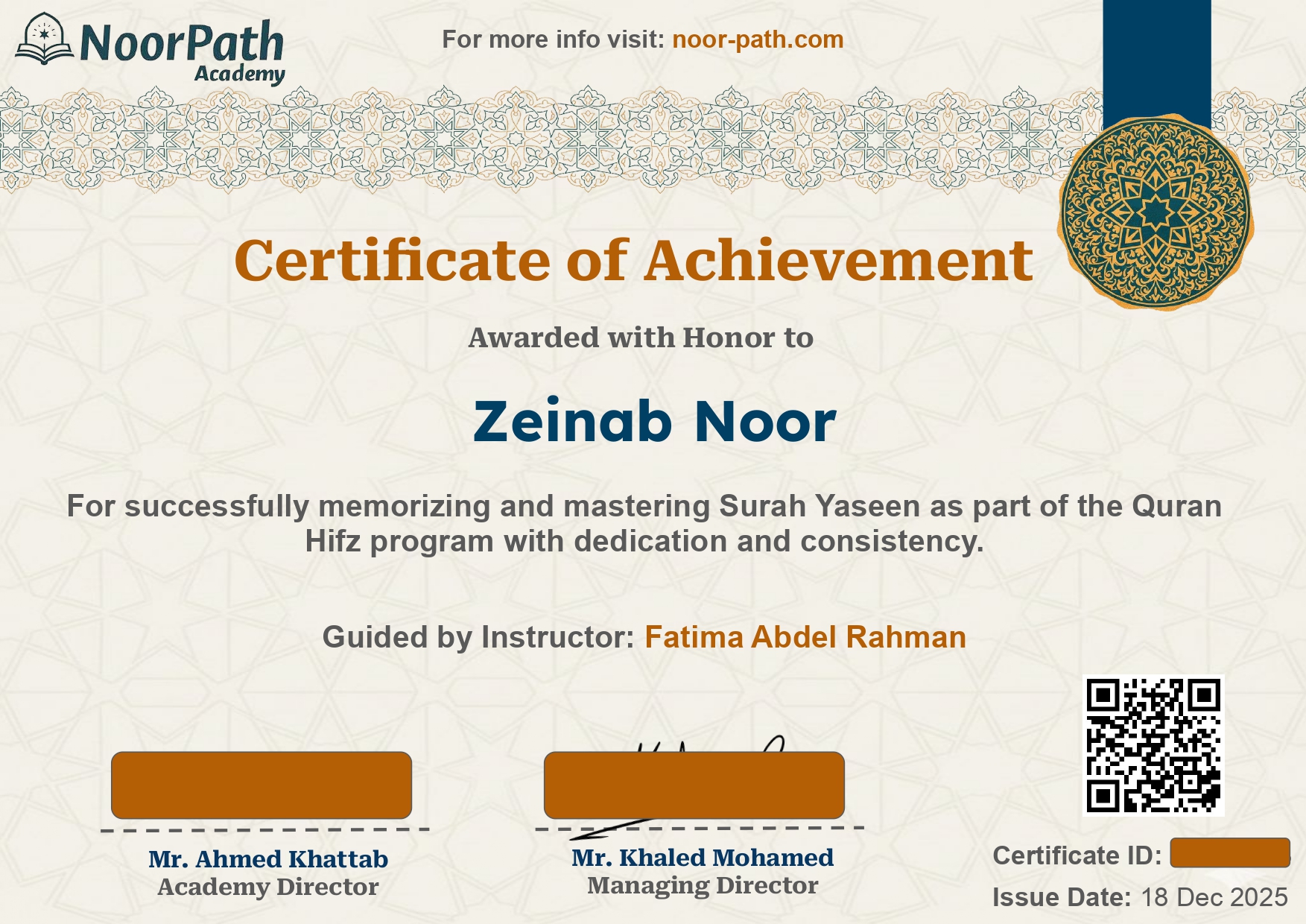
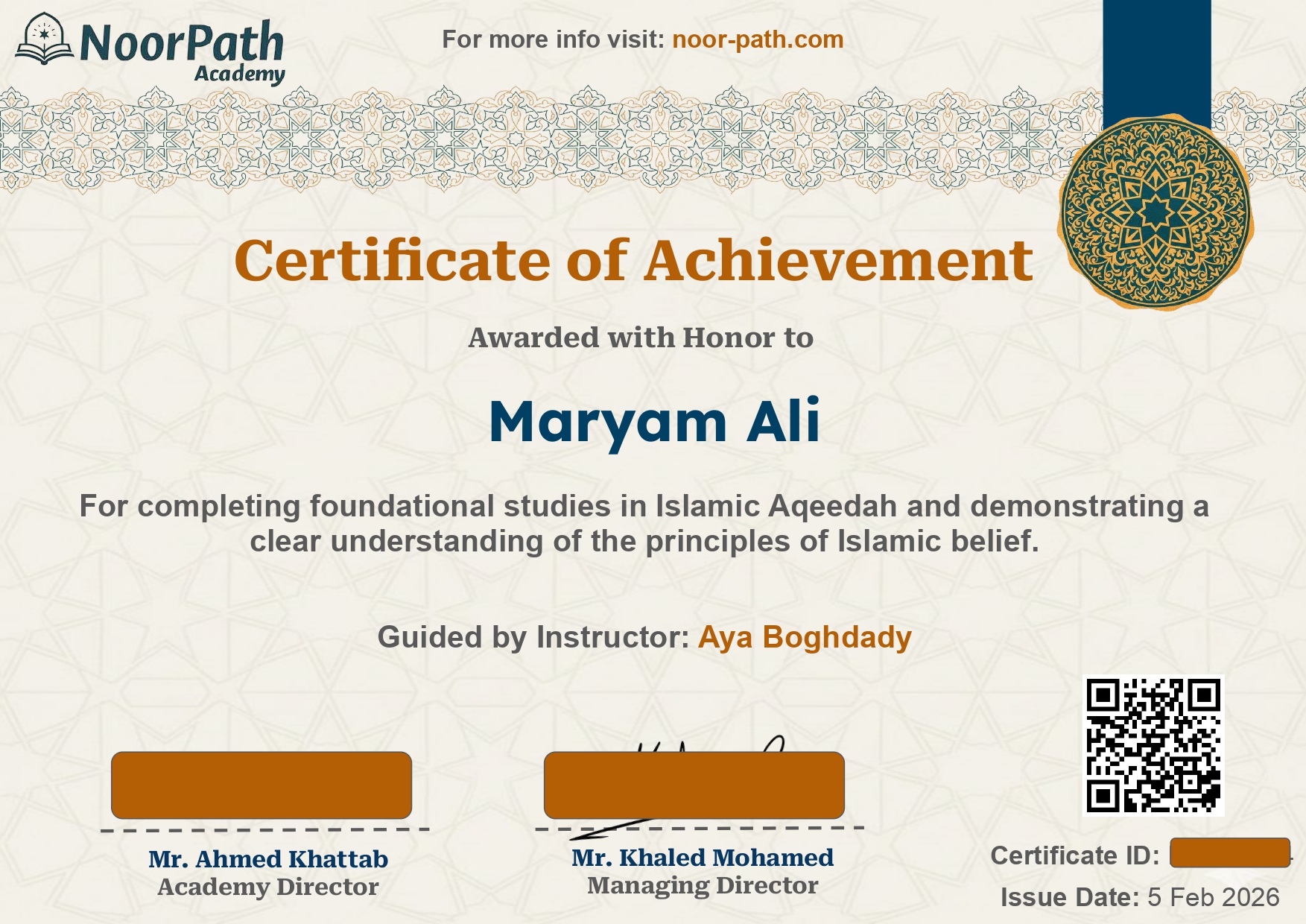
Begin your 1-on-1 classes. Track your progress with monthly reports and receive E-Certificates as you level up.
Not sure which track fits you or your child? Here’s a plain explanation of the stages most students move through, so you can choose a plan with a clear goal in mind rather than guessing.
This is the foundation for absolute beginners, including reverts and children who don’t yet read Arabic script. Students learn the Arabic alphabet, how letters change shape when joined, and basic vowel marks (harakat). No prior knowledge of Arabic is needed to begin here — it’s specifically designed as the entry point.
Tajweed is the set of rules governing how each Arabic letter is pronounced correctly from its precise articulation point (makhraj), along with rules for elongation, merging letters, and pausing. Its purpose is to protect the Quran’s meaning from being distorted through mispronunciation. Scholars differ on the exact classification of Tajweed: many hold that applying its basic rules — enough to avoid changing the meaning of the words — is an individual obligation (fard ‘ayn) on every reciting Muslim, while mastering its full theoretical detail is a communal obligation (fard kifayah), meaning the wider community needs qualified people who know it, though not every individual must become an expert. A minority of jurists, including much of the Hanafi school, view applying Tajweed’s finer rules as strongly recommended (mustahabb) rather than strictly obligatory. In practice, this means: get your basics right so you don’t alter the Quran’s meaning, and refine from there — which is exactly what a live, one-on-one teacher is positioned to correct in real time, unlike self-study from an app or video.
Hifz (memorization) is typically pursued after a student can read fluently with correct Tajweed. There’s no fixed “right age” — some begin memorizing in early childhood, others as adults, and both are common and valid paths. What matters more than age is consistency: regular daily repetition, review (muraja’ah) of what’s already memorized, and a teacher who can catch mistakes before they become habits. Memorizing the full Quran typically takes anywhere from 2 to 5+ years depending on the student’s pace, consistency, and the amount of daily time committed — there’s no single fixed timeline, and progress is not a race.
Choose what suits your goals:
$8.5 / hour
$9.5 / hour
$12 / hour
Not happy in the first 14 days? We offer a full money-back guarantee. No questions asked .
Don't just read; recite with precision. Our teachers are native Arabic speakers who understand the nuances of Makharij (articulation points).
Progress through defined levels. Receive monthly reports and E-Certificates 1 to track your milestone achievements.
Flexible scheduling with up to 4 reschedules per month. Special discounts for families enrolling multiple children.
Makharij al-Huruf (the articulation points of Arabic letters) determine which letter you’re actually saying — in Arabic, changing where a sound is produced can change one word into an entirely different word. This is why native-speaking teachers matter beyond just “sounding authentic”: they can hear the difference between letters that look similar in transliteration but are pronounced from entirely different points in the mouth and throat, something self-study or non-native instruction often misses.
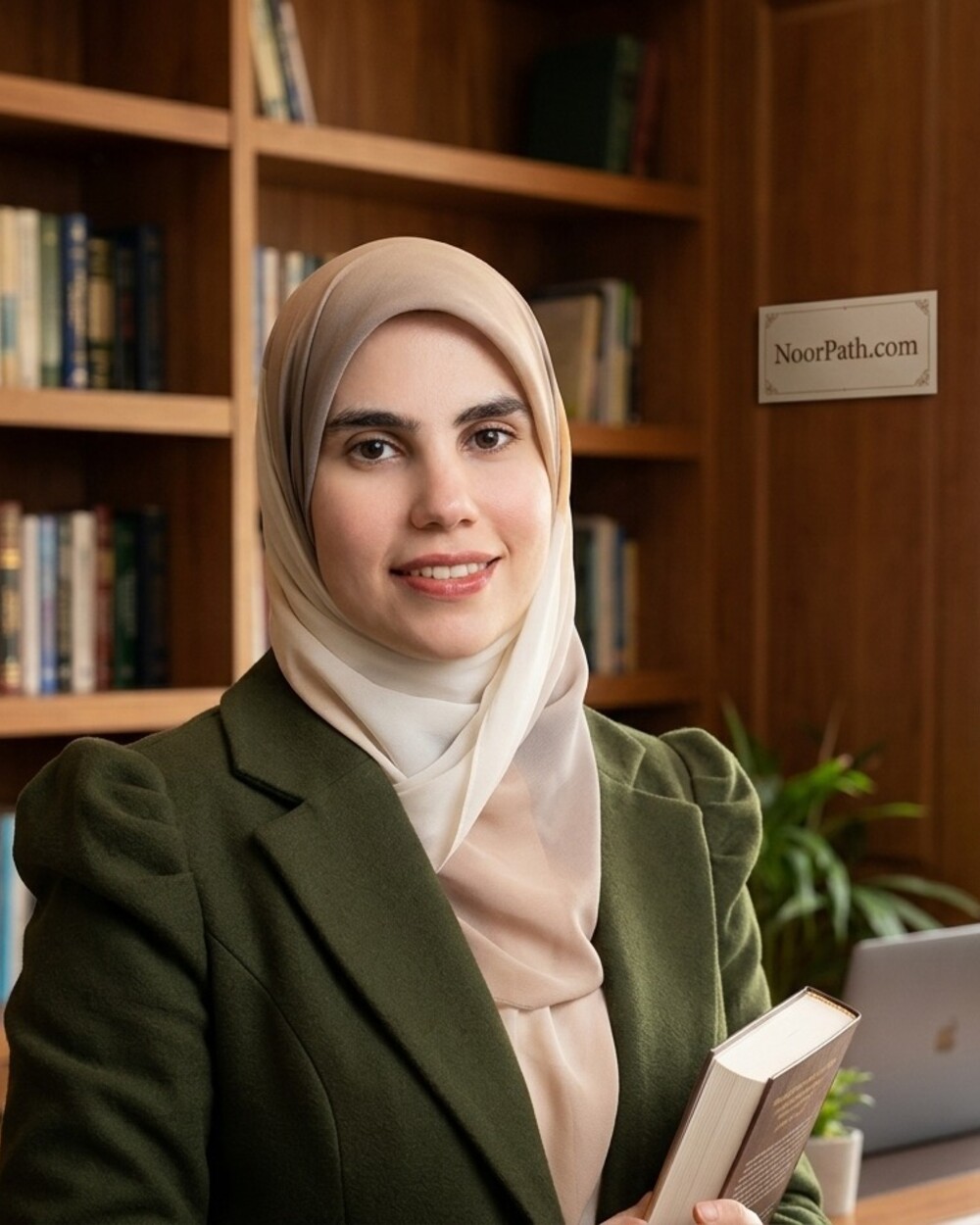
Norhan Ramy
Year of experience
Specializations
Teacher Profile
Norhan Ramy
Norhan Ramy has over four years of experience teaching Quran, Arabic, and Islamic Studies. Throughout her teaching career, she has worked with students
Norhan Ramy has over four years of experience teaching Quran, Arabic, and Islamic Studies. Throughout her teaching career, she has worked with students of various age groups, including children, teenagers, and adults, as well as learners at different levels ranging from beginners to advanced.
In Arabic language instruction, Norhan has utilized well-established curricula such as Arabiyyah Bayna Yadayk, Madinah Books, and other foundational materials. She is passionate about the Arabic language and is dedicated to making learning engaging, clear, and enjoyable for her students.
In the field of Islamic Studies, she has delivered structured programs such as the Islamic Studies Series, focusing on simplifying concepts and helping students understand and apply Islamic teachings in their daily lives.
Regarding Quran teaching, Norhan specializes in recitation and Tajweed, using recognized resources such as Ahkam Al-Tajweed. She places strong emphasis on correct pronunciation, fluency, and gradual improvement.
Norhan has worked with several academies, including Hidaya Network, Mishkah Academy, Amana Educare, Alef Academy, Noor Al-Bayan Academy, Universal Islamic Academy, Jumi Academy, Zumrat Quran Academy, Quran Reading Centre, and Bnan Academy.
Academically, she graduated from Al-Azhar University, Faculty of Languages and Simultaneous Interpretation (English Department). She also holds a General Diploma in Education (Educational Methods) and has completed her Pre-Master’s in Linguistics.
Norhan is committed to creating a supportive and interactive learning environment and continuously works on developing her teaching methods to effectively meet the needs of her students.
Omnia Mohamed

Year of experience
Specializations
Teacher Profile
Omnia Mohamed
Omnia Mohamed is a dedicated Qur’an and Tajweed teacher with over 4 years of teaching experience, working with both Arabic and non-Arabic speakers.
She is passionate about helping students of all ages develop a strong foundation in reading, memorizing, and understanding the Qur’an.
She has completed several specialized courses in teaching methodologies, particularly in teaching non-Arabic speakers, from accredited centers. These qualifications have equipped her with effective techniques to simplify lessons and make learning accessible, even for complete beginners.
Omnia focuses on creating a positive and engaging learning environment where students feel comfortable and motivated. She believes that learning the Qur’an should be a meaningful and enjoyable journey, not a stressful one. Her teaching style is patient, supportive, and tailored to each student’s level and pace, ensuring steady progress and building confidence over time.
In addition to Qur’an recitation and Tajweed, she also supports students in learning the Arabic language, helping them better understand what they read and connect more deeply with the Qur’an. She uses interactive and practical methods to keep lessons engaging and free from boredom.
She holds an Ijazah in the recitation of Imam ‘Asim, has studied Ash-Shatibiyyah and Ad-Durrah, and is currently pursuing the Ten Qira’at (Al-Qira’at Al-‘Ashr).
Her goal is to help both children and adults not only learn how to read and memorize the Qur’an correctly, but also to develop a lasting love for it and a stronger connection with their faith.
Ahmed Khatab
Year of experience
Specializations
Teacher Profile
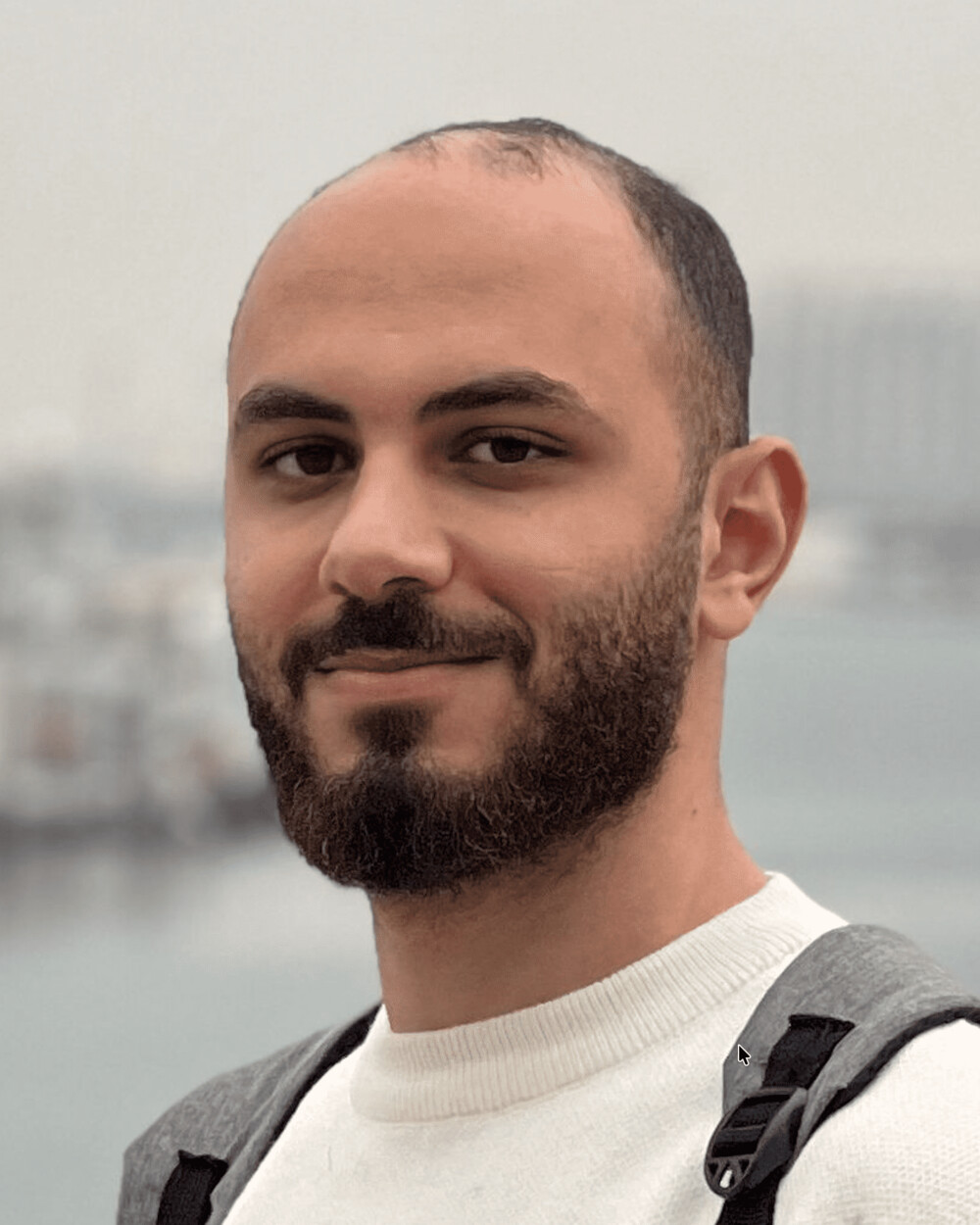
Ahmed Khatab
My name is Ahmed Khatab, and I am a committed Qur’an and Islamic Studies teacher at NoorPath Academy with over 5 years of teaching experience.
passionate about helping students grow in both knowledge and faith.
I specialize in teaching Qur’an recitation with Tajweed, along with essential Islamic studies, focusing on delivering lessons in a clear, structured, and easy-to-understand way. My approach is centered on simplifying concepts so that students can not only learn, but truly understand and apply what they study in their daily lives.
Throughout my teaching experience, I have worked with students from different backgrounds and levels, which has taught me the importance of adapting each lesson to suit the individual. I believe that every student has their own pace, and my role is to guide them step by step with patience and consistency until they achieve their goals.
I place great importance on creating a positive and comfortable learning environment, where students feel confident to participate, make mistakes, and improve. My lessons are designed to be interactive and engaging, helping students stay motivated and committed to their learning journey.
For me, teaching is not just about delivering information, but about helping students build a strong connection with the Qur’an and develop a deeper understanding of their religion. My goal is to support each student in progressing with confidence, clarity, and sincerity.
I look forward to being part of your journey and helping you grow, one lesson at a time.
Aya Boghdady
Year of experience
Specializations
Teacher Profile
Aya Boghdady
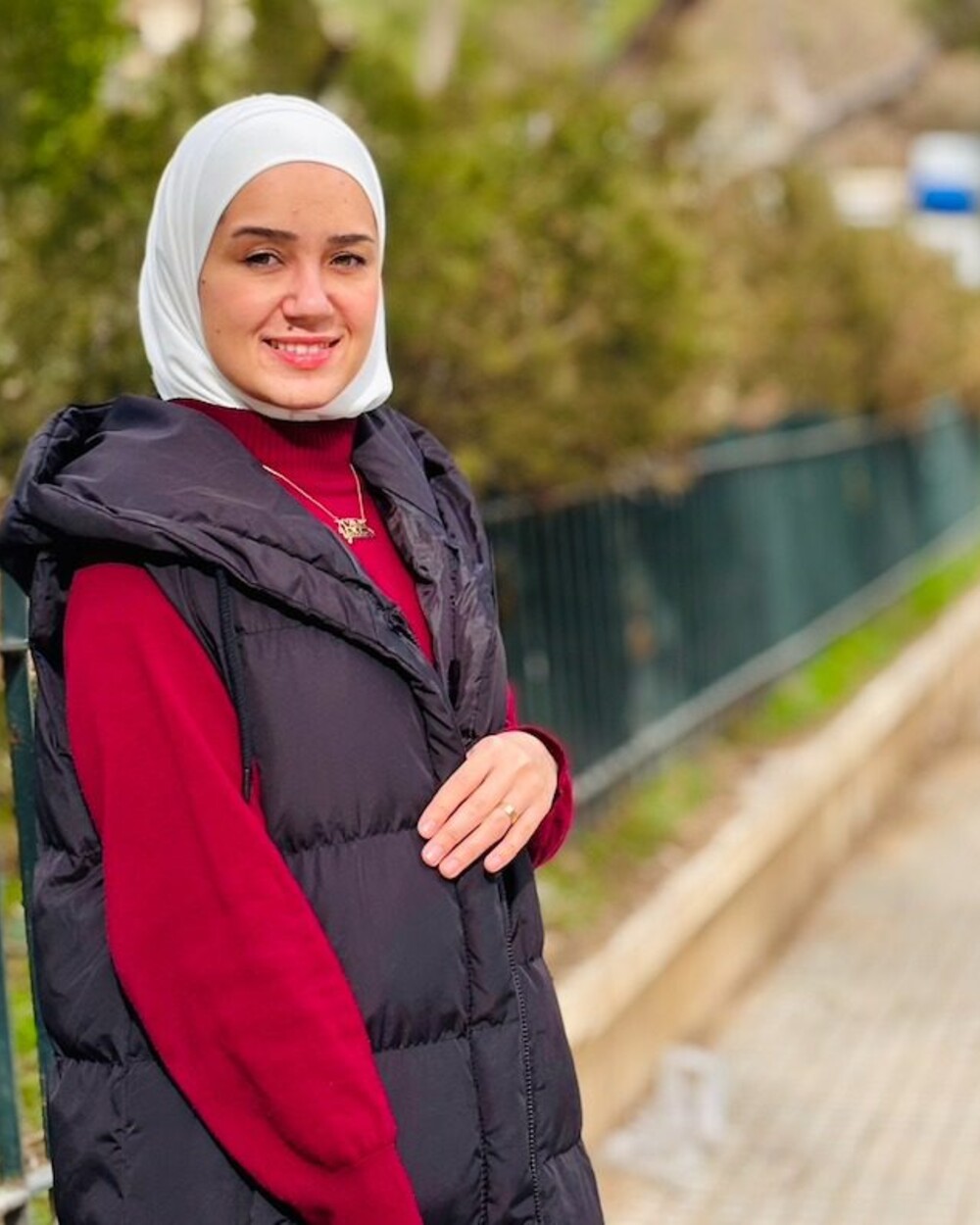
Aya Boghdady is a passionate Islamic Studies instructor with over 3 years of teaching experience.
dedicated to helping students understand their religion in a clear, practical, and meaningful way. Her teaching focuses on building strong foundations in key areas such as Aqeedah, Seerah, Hadith, and general Islamic knowledge, with an emphasis on understanding rather than memorization alone.
She believes that learning Islam should go beyond theory and become part of a student’s daily life. For this reason, her lessons are designed to connect knowledge with real-life application, helping students develop a deeper awareness of their faith and how to practice it with confidence.
Aya is known for her clear explanations and structured teaching style, making complex topics simple and easy to follow. She creates an engaging and interactive environment where students feel comfortable asking questions and exploring topics in depth.
Whether working with beginners or more advanced learners, she adapts her approach to suit each student’s level, ensuring steady progress and a strong understanding of core concepts.
Her goal is to guide students toward a deeper connection with Islam, not just by learning information, but by truly understanding its values, wisdom, and relevance in everyday life.
Yusuf El Taher
Year of experience
Specializations
Teacher Profile
Yusuf El Taher
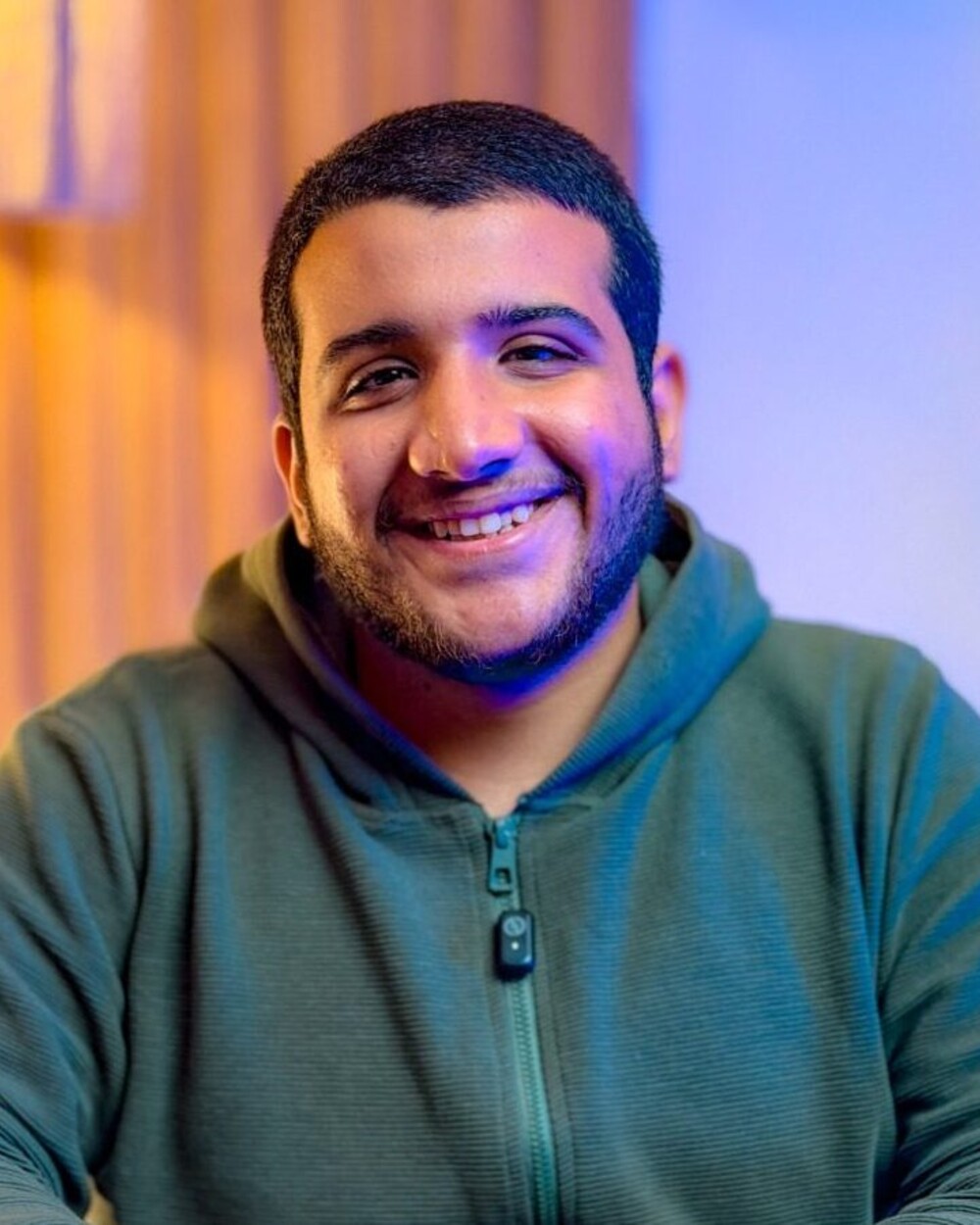
My name is Yusuf El Taher, and I am a dedicated educator at NoorPath Academy with over 5 years of experience teaching students.
From diverse backgrounds around the world.
I specialize in Arabic language, Qur’an recitation with Tajweed, and Islamic studies, and I have had the privilege of guiding more than 90 international students on their learning journey. Through my experience, I have worked with learners of different ages, levels, and goals, which has helped me develop a flexible and student-centered teaching approach.
My teaching philosophy is built on patience, clarity, and consistency. I strive to create a supportive and comfortable environment where students feel encouraged to learn, ask questions, and grow with confidence. Whether you are just beginning your journey or looking to refine your recitation and deepen your understanding, I tailor each lesson to match your pace and personal goals.
I believe that learning the Qur’an and understanding Islam is not just about gaining knowledge, but about building a meaningful connection with what we learn. That is why I focus not only on correct recitation and technical skills, but also on helping students appreciate the beauty, wisdom, and purpose behind the teachings.
My aim is to make every lesson engaging, structured, and impactful, using simple explanations and interactive methods to ensure steady progress. I am committed to supporting each student step by step, helping them stay consistent and motivated throughout their journey.
Let us begin this rewarding path together, a journey of knowledge, growth, and a deeper connection with the Qur’an and our faith.
Ola El Kabani
Year of experience
Specializations
Teacher Profile
Ola El Kabani
Ola El Kabani is a dedicated Qur’an teacher with over 12 years of teaching experience, with a strong focus on recitation, Tajweed, and memorization (Hifz).
She is passionate about helping students develop a deep connection with the Qur’an by guiding them to recite correctly, memorize with consistency, and understand the importance of what they learn.
With her experience in teaching students from different backgrounds and levels, she has developed a structured and disciplined approach that helps students progress step by step. She places great emphasis on correct pronunciation, applying Tajweed rules accurately, and building a strong foundation from the beginning.
Ola believes that memorizing the Qur’an is a journey that requires patience, encouragement, and consistency. That is why she creates a supportive and motivating environment where students feel comfortable and committed to their goals. She carefully monitors each student’s progress and adjusts the pace to ensure steady improvement without overwhelming them.
Her lessons are designed to be focused, organized, and results-driven, helping students strengthen both their recitation and memorization skills over time. Whether the student is starting from the basics or working towards advanced levels, she provides the guidance and structure needed to achieve meaningful progress.
Her goal is to help every student build confidence in their recitation, stay consistent in their memorization, and develop a lasting relationship with the Qur’an.
Jalal Al-Ridwan
Year of experience
Specializations
Teacher Profile
Jalal Al-Ridwan
Jalal Al-Ridwan is a dedicated Qur’an and Islamic studies teacher from Egypt, with a strong academic foundation from Al-Azhar.
He has been studying at Al-Azhar’s Qira’at Institute for over five years and holds a recognized certification in Qira’at (Faa’liyat Al-Qira’at).
With more than 7 years of teaching experience, Jalal has taught Qur’an, Tajweed, and Islamic studies both in person and online since the COVID-19 pandemic. He has worked with students of all ages and levels from around the world, including many new Muslims, helping them build a strong and sincere connection with the Qur’an.
Galal has collaborated with several respected academies and organizations, including Studio Arabia, Tanzeel, Hida Network, Nawabigh, and Raihan Academy (Texas), gaining wide experience in different teaching environments and methodologies.
He holds multiple Ijazat in various Qira’at, including:
Hafs and Shu‘bah ‘an ‘Asim, Qalun and Warsh ‘an Nafi‘, Ibn Kathir, Abu Ja‘far, Khalaf, Ad-Duri, As-Susi ‘an Abi ‘Amr, Al-Kisai, and Khalaf Al-‘Ashir. He continues to pursue advanced studies in Qira’at to further deepen his expertise.
In addition to Qur’anic studies, Jalal has also completed studies in Shafi‘i Fiqh and is committed to providing well-rounded Islamic knowledge. He actively shares beneficial content through free educational lessons on YouTube, focusing on Tajweed, Qur’an recitation, and Islamic teachings.
His mission is to make learning the Qur’an accessible, structured, and spiritually uplifting for students worldwide.
Fatima Abdul Rhman
Year of experience
Specializations
Teacher Profile
Fatima Abdul Rhman
Fatima Abdul Rhman is a dedicated Qur’an and Islamic Studies teacher with over 5 years of teaching experience, working with both Arabic and non-Arabic speakers.
ReadMore
from diverse backgrounds. Throughout her journey, she has taught students ranging in age from 4 to 43 years old, which has enabled her to develop a flexible teaching approach that adapts to different learning styles, levels, and individual needs.
She specializes in teaching Qur’an recitation with Tajweed, as well as various areas of Islamic studies, including Aqeedah, Seerah, and general Islamic knowledge. Her teaching style focuses on simplifying concepts and delivering lessons in a clear and engaging way, ensuring that students not only learn but truly understand what they are studying.
She places strong emphasis on creating a supportive and comfortable learning environment, especially when working with children. Patience is a key element of her teaching approach, and she consistently strives to encourage students, build their confidence, and make the learning experience both enjoyable and motivating.
In addition, she incorporates modern tools and interactive methods into her lessons to enhance student engagement and improve learning outcomes. Whether a student is a beginner or more advanced, she carefully tailors each lesson to match their pace and personal goals, ensuring steady and meaningful progress.
Her ultimate goal is not only to teach knowledge, but to help students develop a deeper understanding of their religion and build a strong, meaningful connection with Allah in their daily lives.
Yusuf Ali
Student
Fatima Saleh
Student
Abdul Rahman
Student
Noha Ali
Student
Faisal Omar
Student
Lina Hassan
Student
Ahmed Zayed
Student
Ahmad Saleem
Student
Yasmin Omar (Mother)
Student
Hassan Ibrahim
Student
Salman Aziz
Student
Noor Abdullah
Student
Faris Omar
Student
Huda Karim
Student
Bilal Khan
Student
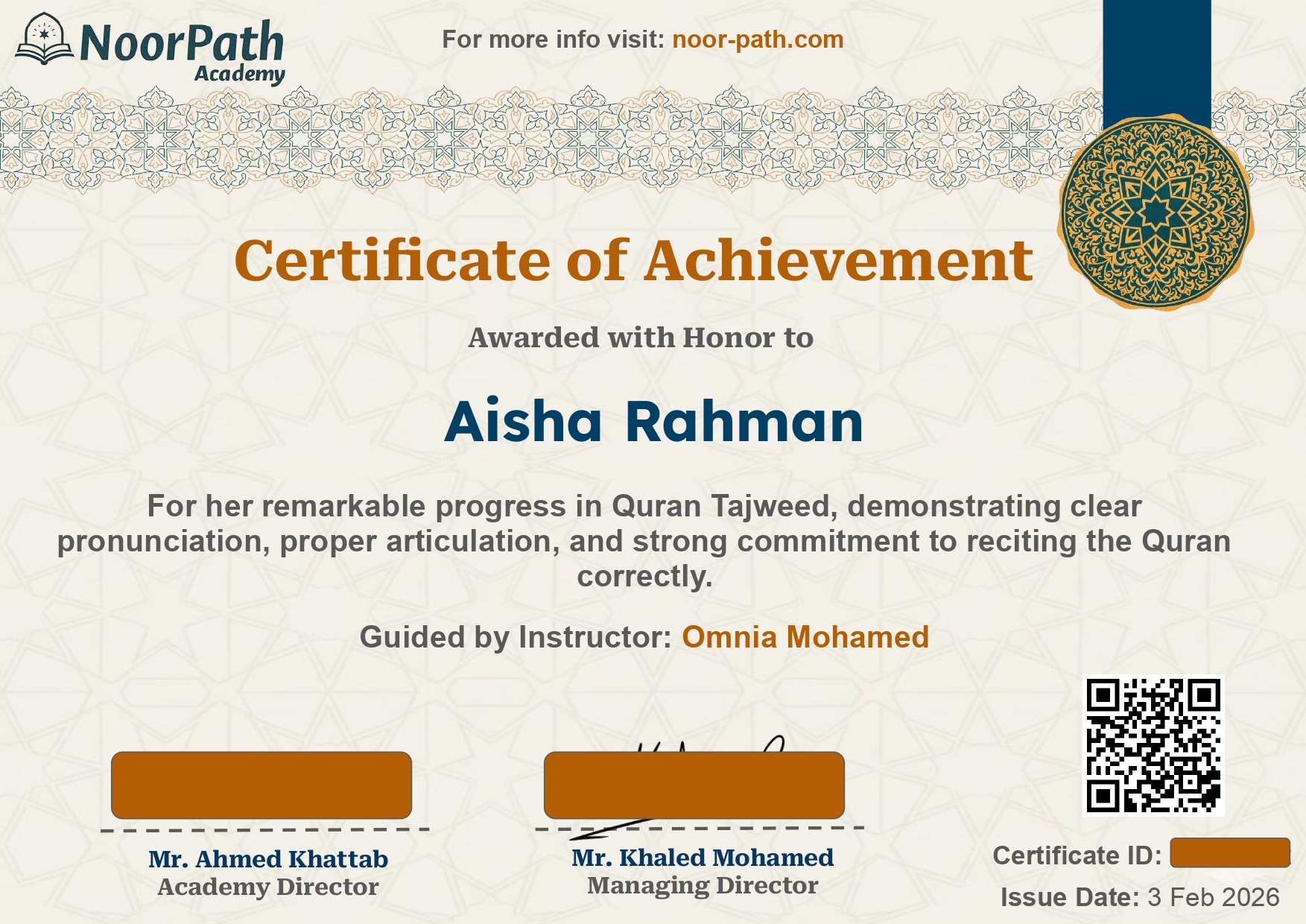
Aisha Rahman
Student
Ibrahim Farooq, UK
Student
Maryam Saleh
Student
Hamza Siddiq
Student
Zainab Ali
Student
Mariam Hassan (Mother)
Student
Abdul Rehman
Student
Fatima Noor
Student
Yusuf Rahman
Student
Omar El-Sayed
Student
Amina Khan
Student
Subscribe for free educational content, course updates, and Islamic reminders every week.
Iqlab in Tajweed: Its Letter, Quran Examples, and How to...
What Is Madd? A Beginner’s Guide to Lengthening in Tajweed...
Tajweed Meaning: What It Is, Why It Matters, and How...
Yes. What matters is that a qualified teacher is correcting your recitation directly and in real time — the medium (video call vs. sitting in person) doesn’t affect the validity of the learning itself, since this falls under permissible use of modern tools for education, not an act of worship performed incorrectly.
Scholars hold differing views. Many say applying the basic rules of Tajweed — enough to avoid changing the Quran’s meaning — is obligatory on every individual reciter (fard ‘ayn), while mastering the full technical detail is a communal obligation (fard kifayah). Some scholars, including much of the Hanafi school, classify the finer rules as strongly recommended (mustahabb) rather than strictly obligatory. Either way, correct recitation is considered important enough that it’s worth learning properly from a qualified teacher.
There’s no fixed minimum age. Many children begin with Noorani Qaida (learning the Arabic alphabet) as early as 4–5 years old, while others start later. What matters most is the child’s readiness to sit and focus for a structured lesson, which our free evaluation session helps assess.
Yes, having a physical or digital Mushaf during your session is recommended, ideally the same print/edition each time, since visual familiarity with page layout supports memorization and review.
Contact Us for Personalized Guidance
Have questions or need help choosing the right course? Our team is here to support you every step of the way.
Reach out and tell us about your goals—whether you’re a beginner, a revert, or looking to help your children start their Qur’anic journey.