✦ Islamic History – Course Details
Islamic History Course Online | 1-on-1 with Al-Azhar Scholars
Discover the rich legacy of the Muslim world with our captivating online Islamic History course. From the inspiring Seerah of Prophet Muhammad (PBUH) to the great caliphates and the Islamic Golden Age, explore your heritage 1-on-1 with expert scholars who bring history to life in fluent English.
- Flexible scheduling (travel through time at your own pace)
- Certified historians & Al-Azhar scholars with fluent English
- Engaging storytelling covering the Seerah, Sahabah, and beyond
No credit card required

500+
Students
Avg Rating
Certified
What Students Say About Our Islamic History Course

How did Islam shape the world we live in today?
Help children understand their heritage
Give young Muslims a strong sense of identity through the history and legacy of their faith.
Follow the journey of the Muslim Ummah
Major events, leaders, and civilizations that shaped Islamic history across the centuries.
Learn lessons that still matter today
How historical events continue to influence the challenges Muslims face in the modern world.
Structured learning from beginning to end
Islamic history taught chronologically with a clear curriculum that connects every period.
Course overview
Islamic History Course
- 500+ students enrolled worldwide
- Serving 42+ countries - UK, USA, Canada & more
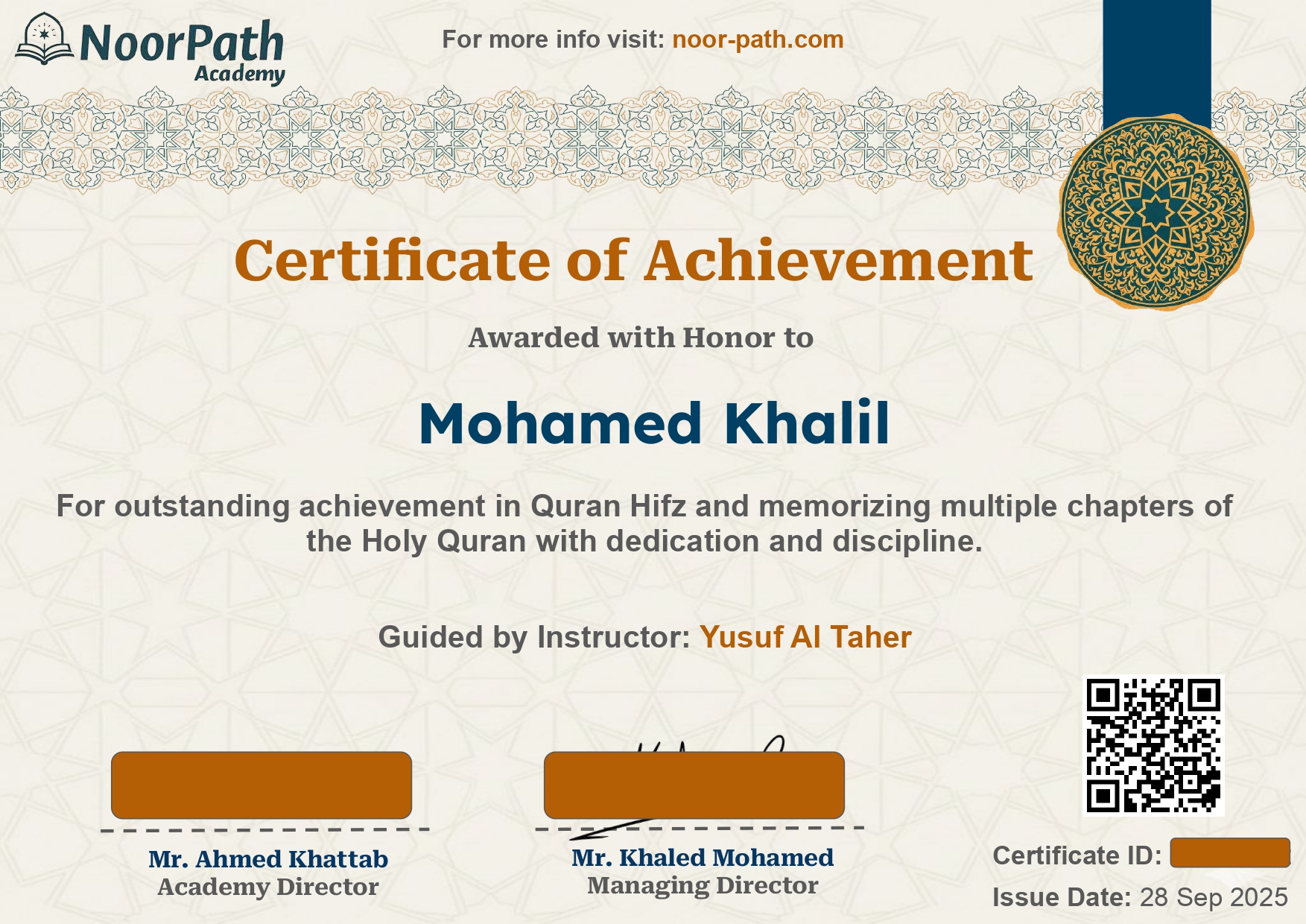
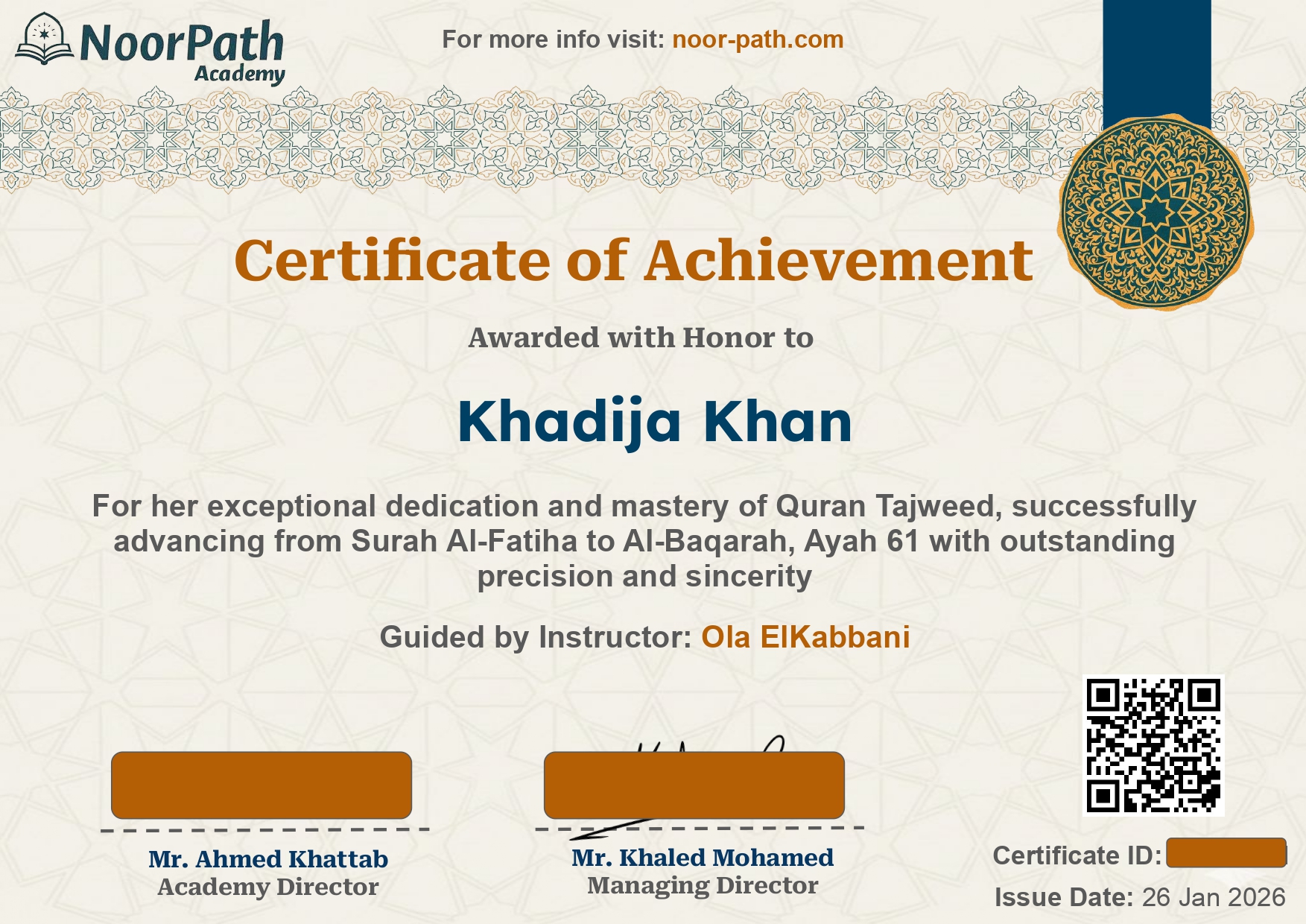
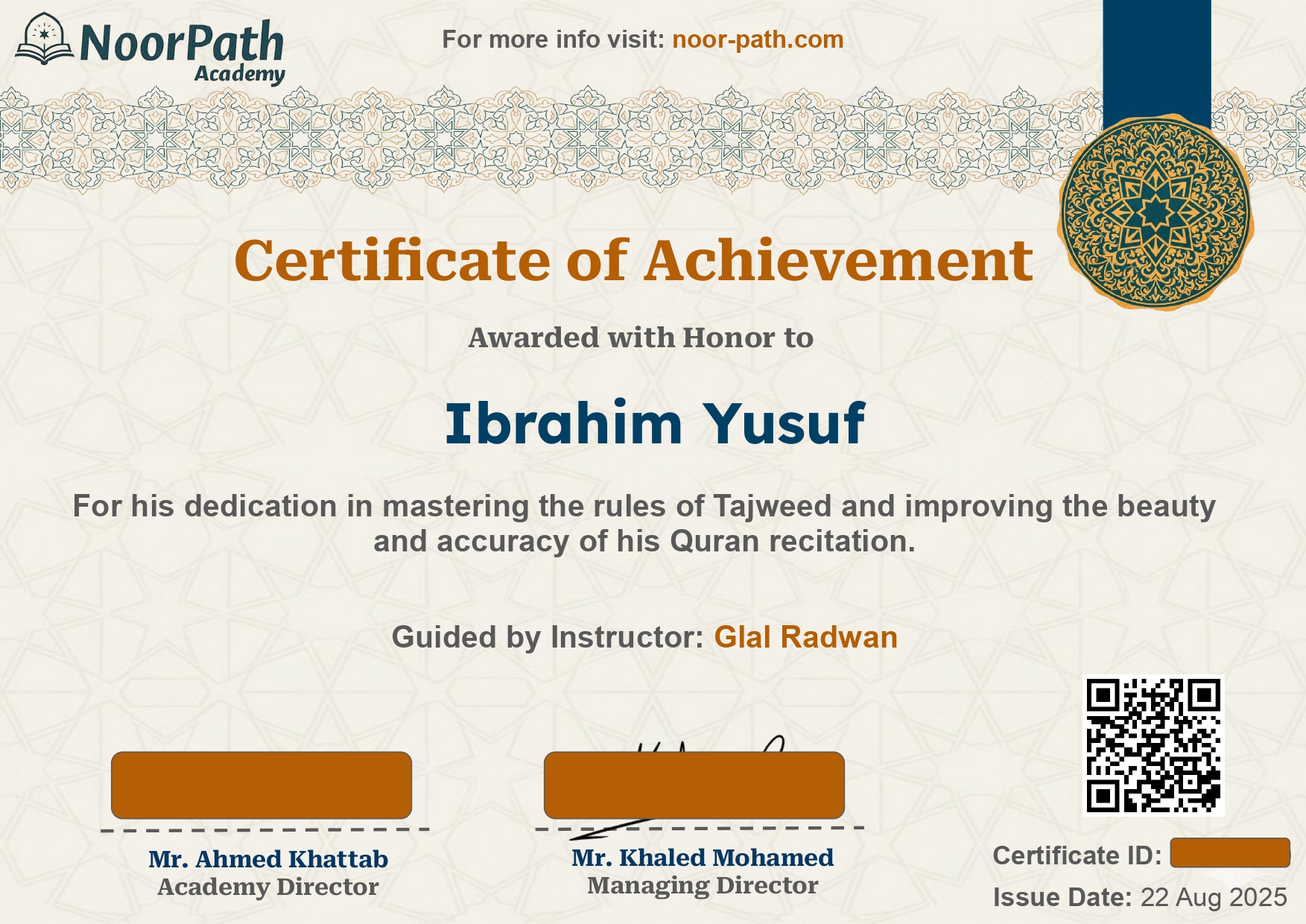
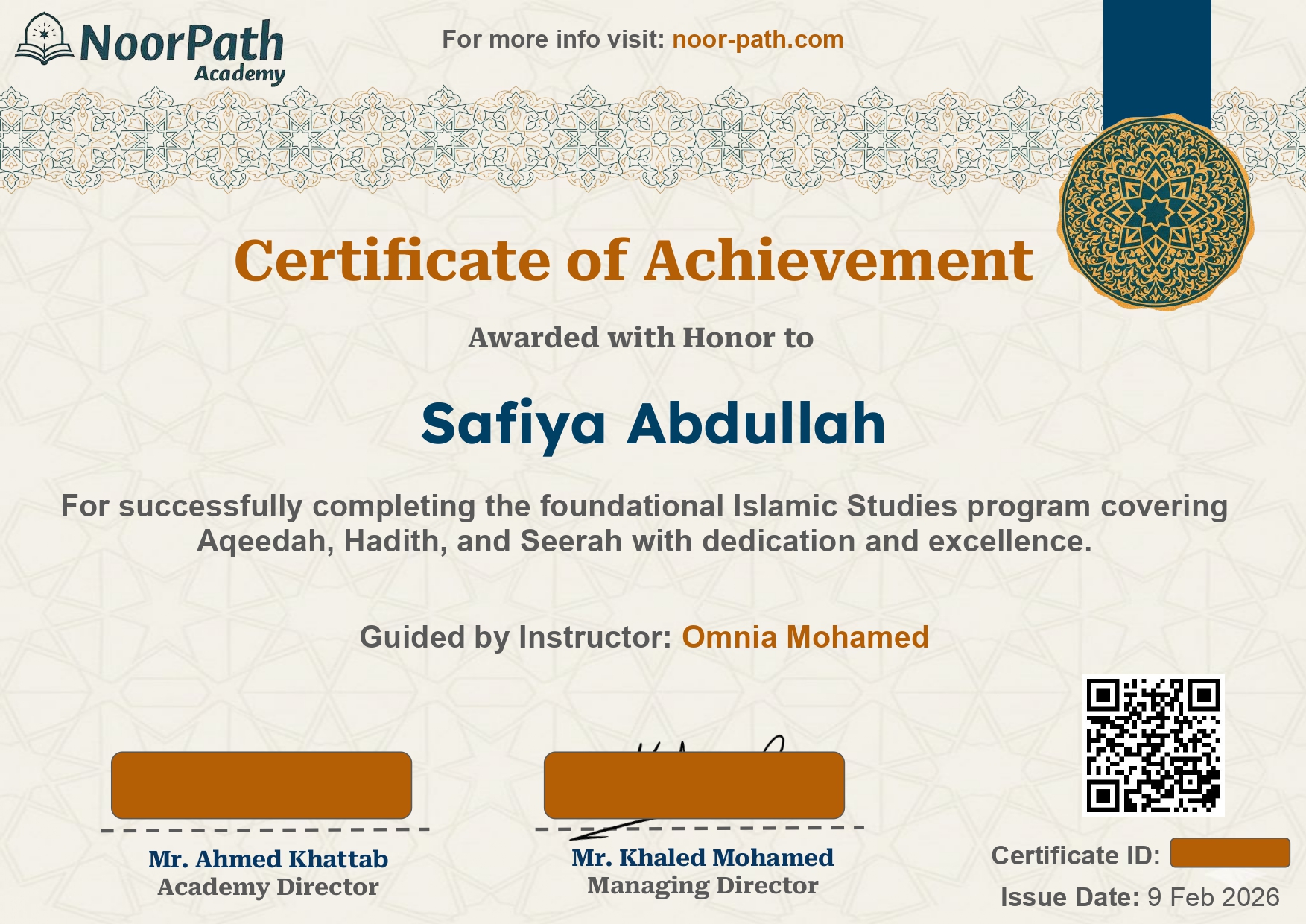
- Certificate of completion included
- 5.0 rating on Trustpilot
Islamic History vs. Muslim History: Understanding the Difference
One of the most common questions students ask before enrolling is the difference between Islamic and Muslim history — and it’s a fair question, because the two terms are often used interchangeably even though they mean slightly different things.
Islamic history refers to the history of Islam as a religion and civilization: the revelation of the Qur’an, the life of the Prophet Muhammad ﷺ, the development of Islamic law, theology, and the caliphates that governed in Islam’s name. It is the story of a faith and the institutions that grew from it.
Muslim history, by contrast, is broader. It includes the political, cultural, and social history of Muslims as a people — even in periods or regions where their actions were shaped more by local politics, ethnic identity, or dynastic ambition than by Islamic teachings themselves. Not every event carried out by a Muslim ruler or empire reflects Islamic guidance; some reflect the ordinary politics of the era.
Our course is built primarily around Islamic history and civilization — the religious, intellectual, and institutional story — while still situating it honestly within the wider Muslim historical experience, including its complexities and internal disagreements. This distinction matters academically, and understanding it is one of the first analytical tools you’ll gain in Module 1.
Who Should Take This Islamic History Course?
This course is designed for a wide range of learners, not just those with a formal background in religious studies.
- Homeschooling families and Islamic school curriculum supplements — parents building a structured islamic school curriculum at home, or supplementing a weekend Islamic school program, will find the five-module sequence maps cleanly onto a school-year pacing guide.
- University students — if your major is Muslim studies, Middle Eastern history, religious studies, or a related field, this course provides a chronological backbone that complements academic coursework and exam preparation.
- Adult learners and lifelong students — anyone who wants to study Islamic history seriously but never had formal access to it growing up.
- Anyone drawing on Islamic and general history together — students researching muslim scholarship across science, philosophy, and jurisprudence, or comparing Islamic civilization to other historical periods.
- Non-Muslim researchers and history enthusiasts — as noted below, no faith background is required.
No prior credential is required to enroll, and the course is self-paced, so it fits alongside a school curriculum, a university major, or independent study.
Clear Path from Beginner to Master Islamic History
- Module 1:The Prophetic Foundation Begin where Islam began. Explore pre-Islamic Arabia, the Prophetic mission, and how the Rashidun Caliphs governed. This foundation is essential for understanding all that follows.
- Module 2: The Golden Dynasties Discover how Islam expanded across three continents within a century. Study the Umayyad dynasty and the Abbasid Golden Age, when Baghdad became the world's center of knowledge and Islamic civilization led in science, architecture, and learning.
- Module 3: Expansion and Diversity Explore Al-Andalus (Muslim Spain), the Crusades, and Mongol invasions. Learn about Salahuddin al-Ayyubi and the Mamluk state. Discover how Muslim societies adapted and thrived despite existential challenges.
- Module 4: The Great Empires Master the three great empires: Ottoman, Safavid, and Mughal. Study their legal innovations, artistic achievements, and architectural wonders like the Taj Mahal that continue to influence Muslim societies today.
- Module 5: Modern Challenges and Revival Examine colonialism's impact, Muslim reformers' responses, and the formation of modern nation-states. Connect historical patterns to current events and navigate today's challenges with historical wisdom.
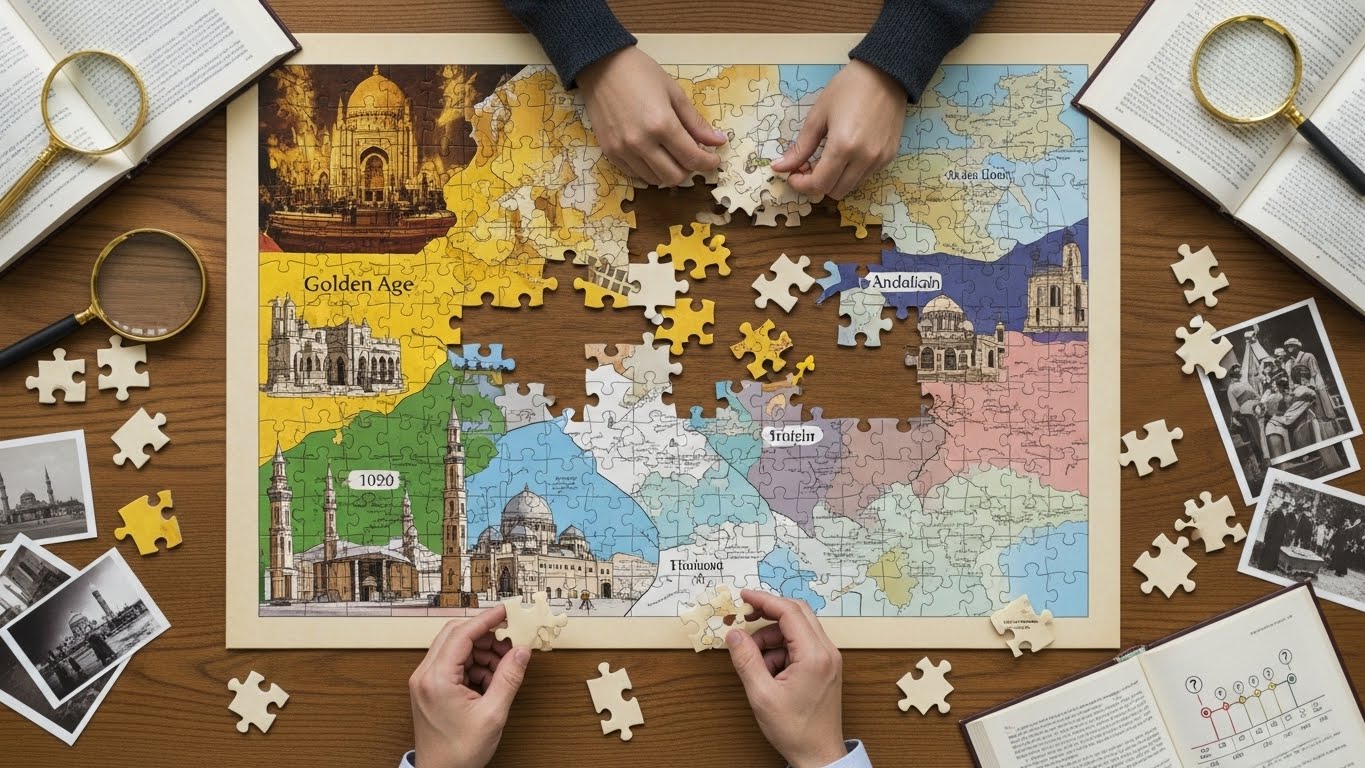
The Earlier Prophets: Setting the Stage Before Islam
Before covering the Prophet Muhammad’s ﷺ mission directly, Module 1 introduces the broader prophetic tradition that Islam sees itself as continuing. Students learn how the prophets recognized in the Islamic tradition — including Ibrahim (Abraham), Musa (Moses), and Isa (Jesus), peace be upon them all — fit into the pre-Islamic religious landscape of Arabia and the wider Near East. This context is essential: it explains why the Qur’an frequently references earlier scriptures and communities, and why the Prophet’s ﷺ message was understood by early Muslims as a continuation and completion of earlier prophethood, not an entirely new religion. Scholars differ on some details regarding the exact number and identities of all prophets mentioned across Islamic sources, and the course presents these areas of discussion transparently rather than glossing over them.
Key Islamic History Terms You'll Learn
To help beginners follow along from day one, here are a few core terms used throughout the course:
- Seerah — the biography of the Prophet Muhammad ﷺ, covering his life, character, and mission.
- Sahabah — the Companions of the Prophet ﷺ, whose testimonies form the basis of early Islamic history and Hadith transmission.
- Khilafah (Caliphate) — the historical system of Muslim political leadership that succeeded the Prophet ﷺ, beginning with the Rashidun Caliphs.
- Ummah — the global community of Muslims, transcending nationality and ethnicity.
- Fiqh — Islamic jurisprudence; the human scholarly effort to derive practical rulings from the Qur’an and Sunnah.
Understanding these terms early makes it far easier to follow the chronological narrative across all five modules — and this is exactly why the course is structured to learn Islamic history online progressively rather than as disconnected facts.
Are You Disconnected from Your Islamic History?
You want to understand your heritage and educate your family, but where do you start?
Time Scattered, Knowledge Fragmented
You've watched random YouTube videos, read Wikipedia articles, and still feel like you're missing the complete picture. Bits and pieces don't build the deep understanding you crave.
Questions Without Authentic Answers
What really happened during the Islamic Golden Age? How did Muslims respond to the Crusades? Why did great empires rise and fall? You deserve answers grounded in authentic scholarship, not biased narratives.
Lost in a Sea of Misinformation
Western sources often present one-sided views. Extremist narratives distort our heritage. You're left wondering: what is the true, balanced account of Islamic history?
Imagine understanding 1400 years of Islamic civilization, from the Prophet ﷺ to today, and confidently sharing this knowledge with your family.
How Our Islamic History Course Works?
Our methodology combines rigorous academic scholarship with spiritual depth, ensuring you gain both knowledge and wisdom from Islamic history.
Era 1: Foundation (7th-8th Century)
Master the origins of Islamic civilization, from the Prophet's ﷺ mission through the Rashidun Caliphate and early conquests that established the first Islamic empire spanning three continents.
Era 2: Golden Ages (8th-13th Century)
Explore the Umayyad and Abbasid empires' achievements, the House of Wisdom, scientific revolution, architectural marvels, and how Muslims preserved and advanced human knowledge during Europe's Dark Ages.
Era 3: Transformation (13th-20th Century)
Understand the Mongol invasions, rise of the Ottomans, Muslim presence in Spain and India, colonialism's impact, and how Islamic civilization adapted through centuries of dramatic change.
Era 4: Modern Era (20th Century-Present)
Analyze the end of the caliphate, colonial aftermath, independence movements, modern nation-states, and contemporary challenges facing the Muslim world in the 21st century.
What You'll Gain From Historical Fragments to Complete Understanding
Master 1400 Years of Islamic Civilization
Confidently discuss Islamic history from the Prophet's era through the Abbasid Golden Age, Ottoman Empire, colonialism, and modern times with comprehensive chronological understanding.
Respond to Historical Misconceptions
Counter false narratives about Islam's history with facts, understanding Muslim contributions to science, religious tolerance in Islamic empires, and the true causes of civilizational decline.
Discover Pride in Your Islamic Heritage
Connect emotionally with the achievements of your ancestors, from Andalusian architecture to Baghdad's House of Wisdom—reclaiming a legacy often hidden or distorted in Western education.
Extract Lessons for Today's Challenges
Apply historical patterns to modern issues, understanding how past Muslims navigated political turmoil, intellectual challenges, and cultural conflicts offers guidance for contemporary Muslim life.
Inside Our Islamic History Course Curriculum
Module 1 Foundations: The Prophet's Era & Rashidun Caliphate
(Understanding the first Islamic dynasty and empire consolidation)
We begin at the very beginning, pre-Islamic Arabia through the establishment of the first Islamic state. You’ll understand the revolutionary changes Islam brought and how the early Muslim community laid foundations for world-changing civilization.
What You Will Learn:
- Pre-Islamic Arabia: tribal society, economics, religious landscape, and social conditions before Islam
- The Prophet’s mission: Meccan period challenges, Medinan state-building, and political-spiritual leadership model
- Rashidun Caliphate governance: election of caliphs, administrative systems, and expansion into Persian and Byzantine territories
- Early conquests’ causes and effects: military strategy, treatment of conquered peoples, and rapid empire-building factors
- Foundational institutions: establishment of treasury (Bayt al-Mal), judiciary system, and Islamic governance principles
You will understand how Islam transformed Arabian society and rapidly expanded into a major world empire within 30 years.
Module 2 Imperial Expansion: Umayyad Dynasty & Early Conquests
(Understanding the first Islamic dynasty and empire consolidation)
What You Will Learn:
- Umayyad rise to power: transition from elected to hereditary leadership and resulting conflicts
- Territorial expansion: conquest of Spain (Al-Andalus), North Africa, Central Asia, and reaching India’s borders
- Administrative innovations: Arabic as official language, coinage system, postal service, and provincial governance
- Cultural synthesis: blending Arab, Persian, Byzantine, and other traditions creating distinct Islamic civilization
- Architectural achievements: Great Mosque of Damascus, Dome of the Rock, and early Islamic architectural style
- Internal challenges: tribal tensions, Kharijite opposition, Shi’a movements, and factors leading to Umayyad decline
You will grasp how the Umayyads built history’s largest empire to that point while developing distinctly Islamic culture and governance.
Module 3 Golden Age: Abbasid Empire & Islamic Renaissance
(Exploring Islam’s intellectual and cultural zenith)
What You Will Learn:
- Abbasid revolution: how they overthrew Umayyads and shifted Islamic power from Damascus to Baghdad
- House of Wisdom (Bayt al-Hikma): translation movement preserving Greek, Persian, Indian knowledge and original research
- Scientific achievements: Al-Khwarizmi’s algebra, Ibn Sina’s medicine, Al-Haytham’s optics, and astronomical advances
- Philosophical developments: falsafa tradition, Al-Kindi, Al-Farabi, Ibn Rushd (Averroes) and dialogue with Greek philosophy
- Architectural marvels: Baghdad’s Round City, Samarra’s Great Mosque, and palatial architecture
- Cultural flourishing: poetry, literature, art, and the cosmopolitan character of Islamic civilization
- Fragmentation and decline: provincial dynasties (Fatimids, Seljuks), internal conflicts, and vulnerability to external threats
You will discover why this era is considered one of human history’s greatest intellectual achievements and understand Muslim contributions still impacting modern science.
Module 4 Transformation: Crusades, Mongols, Ottomans & Mughals
(Understanding major challenges and civilizational resilience)
What You Will Learn:
- The Crusades: European invasions, Muslim response, Saladin’s leadership, and long-term impacts on Muslim-Christian relations
- Mongol invasions: Baghdad’s destruction in 1258, civilizational catastrophe, and eventual Mongol conversion to Islam
- Ottoman rise: from small principality to empire spanning Europe, Asia, Africa for 600 years
- Ottoman contributions: legal system (Kanun), military innovations (Janissaries), architectural masterpieces (Suleymaniye Mosque)
- Mughal India: Akbar’s tolerant governance, Taj Mahal’s construction, and Islamic-Hindu cultural synthesis
- Al-Andalus legacy: Islamic Spain’s 800-year history, Cordoba’s greatness, Granada’s fall in 1492, and lasting influence
- Safavid Persia: Shi’a state formation, Persian Islamic culture, and rivalry with Ottomans
You will understand how Islamic civilization survived catastrophic challenges and continued flourishing through adaptation and resilience.
Module 5 Modern Era: Colonialism, Independence & Contemporary Islam
(Analyzing modern history and contemporary Muslim world)
What You Will Learn:
- Colonial encounter: European expansion, technological gap, military defeats, and loss of Muslim political independence
- Ottoman decline: 19th-century reform attempts, Tanzimat period, and empire’s dismantling after WWI
- End of the Caliphate: Ottoman abolition in 1924 and debates about Islamic political authority in modern era
- Independence movements: Muslim nations gaining sovereignty, Jinnah’s Pakistan, Nasser’s Egypt, and post-colonial states
- Modern challenges: nation-state system vs. ummah concept, authoritarianism, economic development, and identity questions
- Islamic revival movements: 20th-century reformers, diverse responses to modernity, and contemporary Islamic thought
- Current landscape: Muslim-majority nations today, diaspora communities, geopolitical issues, and future trajectories
You will analyze how historical patterns inform current challenges and gain perspective on contemporary Muslim world dynamics.
Learn From Expert Islamic Historians & Scholars
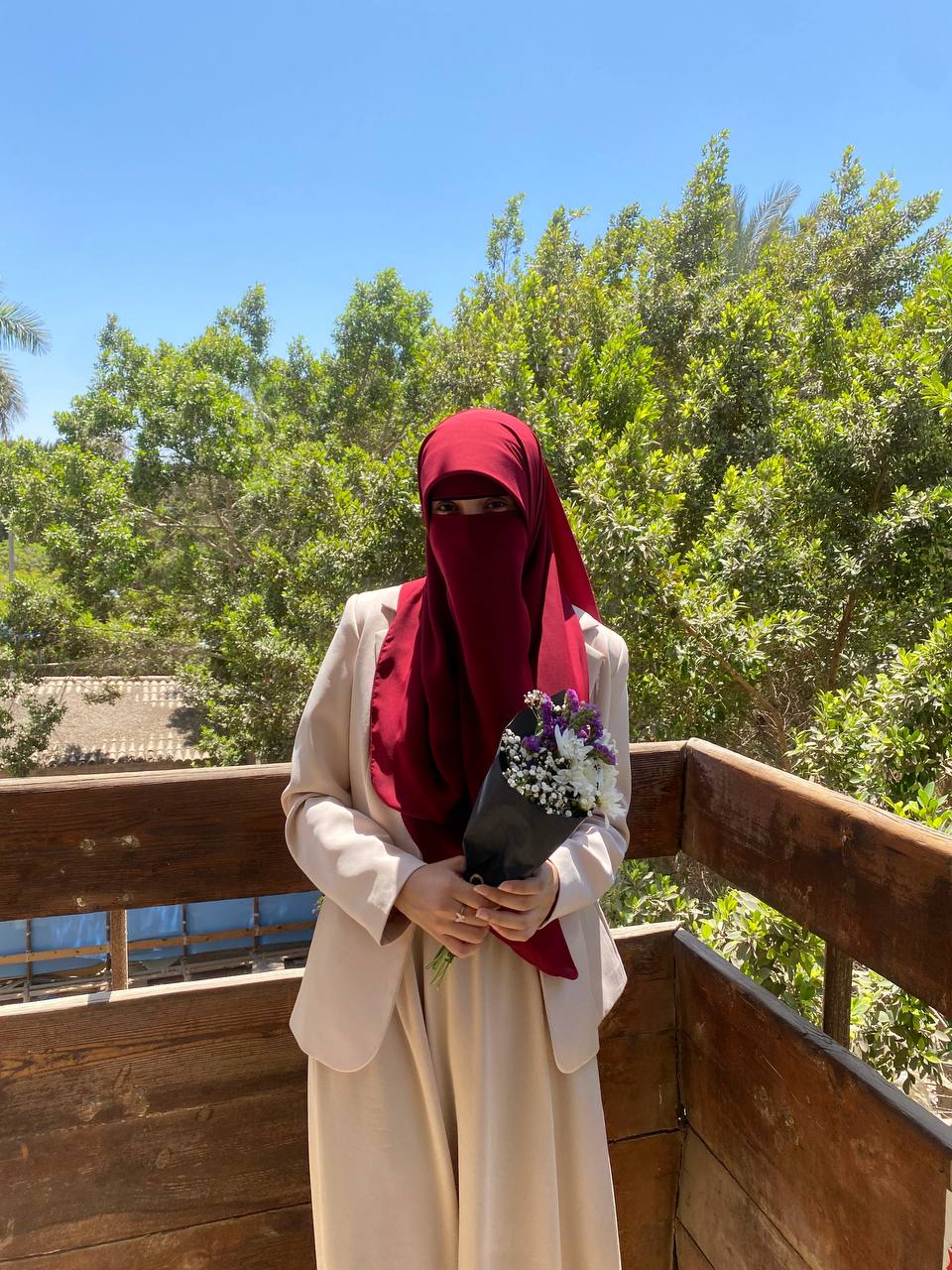
Fatima Abdul Rhman
5+ years
Qur’an Recitation (Tajweed)
Islamic Studies (Aqeedah, Seerah, General Islamic Knowledge
Fatima Abdul Rhman is a dedicated Qur’an and Islamic Studies teacher with over 5 years of teaching experience, working with both Arabic and read more…
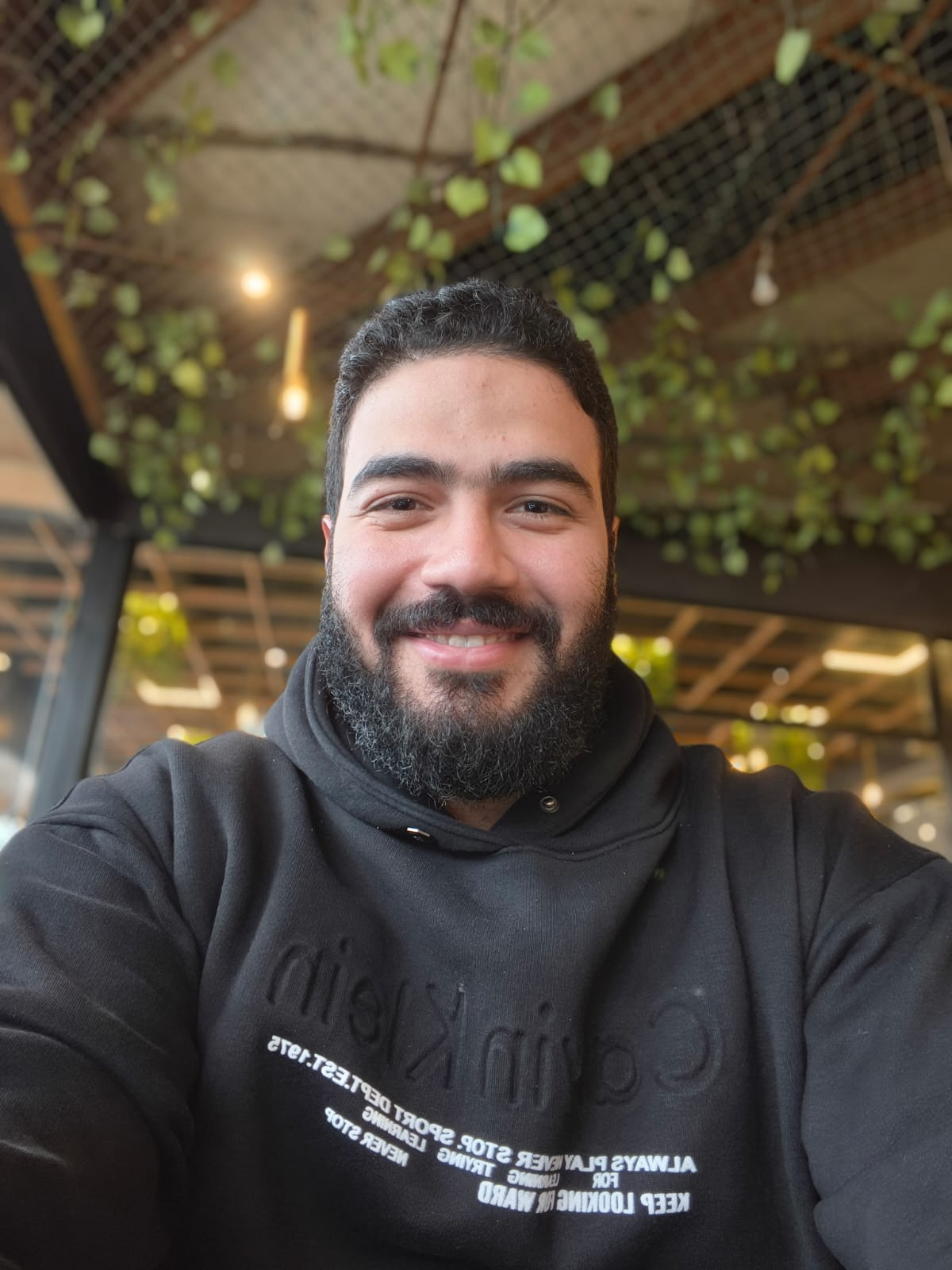
Jalal Al-Ridwan
7+ years
Qur’an Recitation (Tajweed & Qira’at)
Qur’an Memorization (Hifz)
Islamic Studies (including Fiqh)
Jalal Al-Ridwan is a dedicated Qur’an and Islamic studies teacher from Egypt, with a strong academic foundation from Al-Azhar. He has been studying at read more…
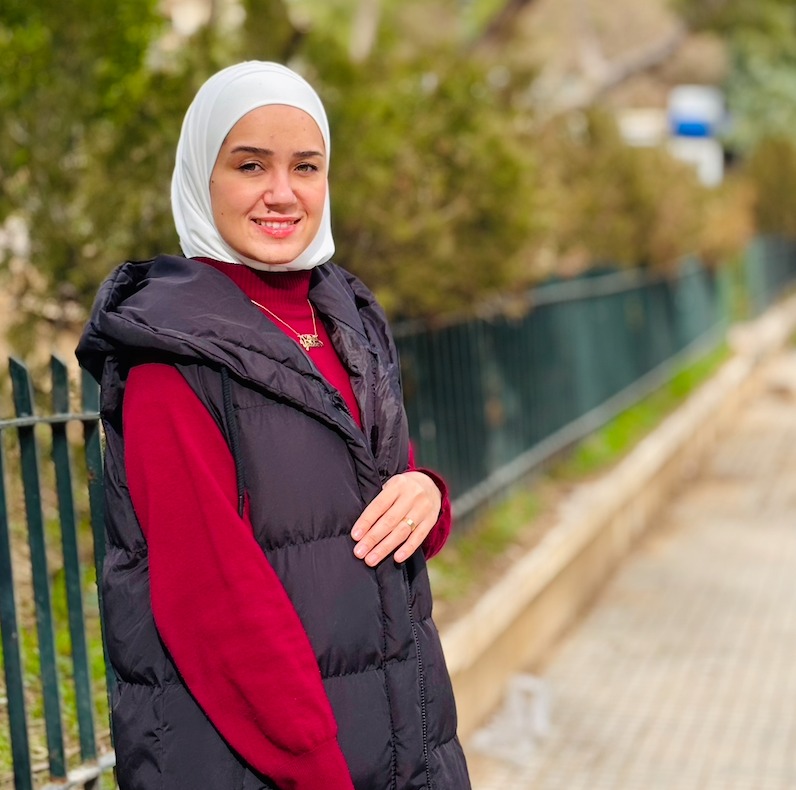
Aya Boghdady
3+ years
Islamic Studies (Aqeedah, Seerah, Hadith, General Islamic Knowledge)
Aya Boghdady is a passionate Islamic Studies instructor with over 3 years of teaching experience, dedicated to helping students understand their religion in a clear, practical, and meaningful way. read more…
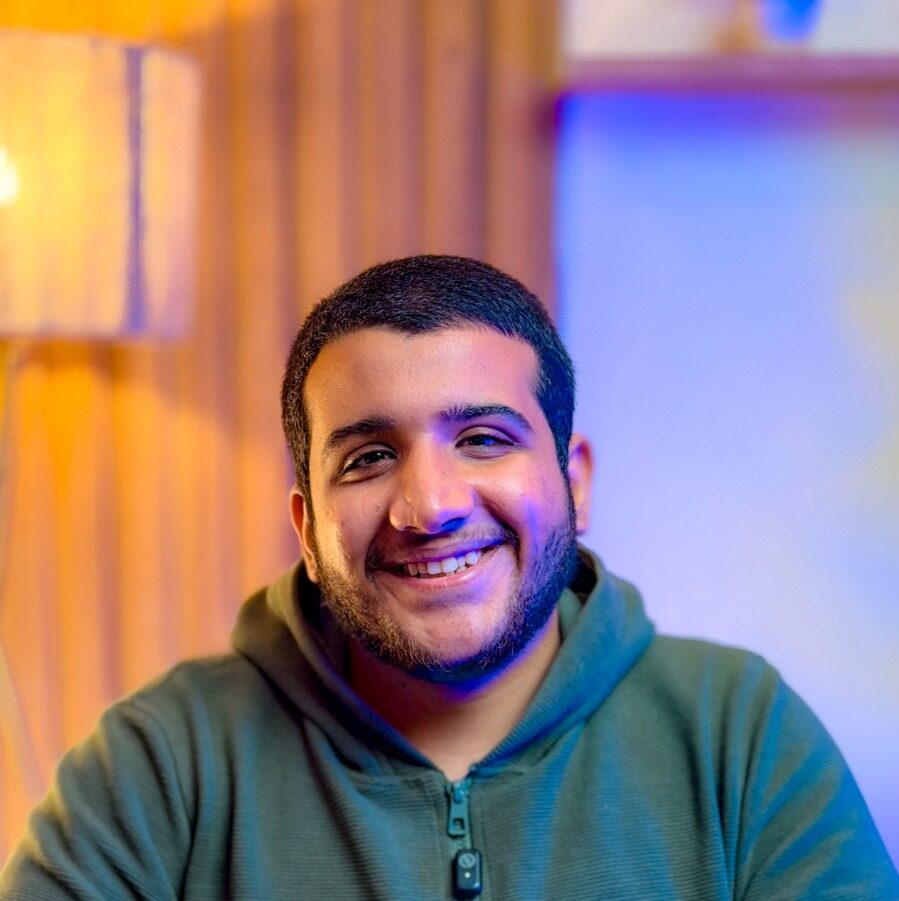
Yusuf El Taher
5+ years
Qur’an Recitation (Tajweed)
Arabic Language
Islamic Studies
My name is Yusuf El Taher, and I am a dedicated educator at NoorPath Academy with over 5 years of experience teaching students from diverse read more..
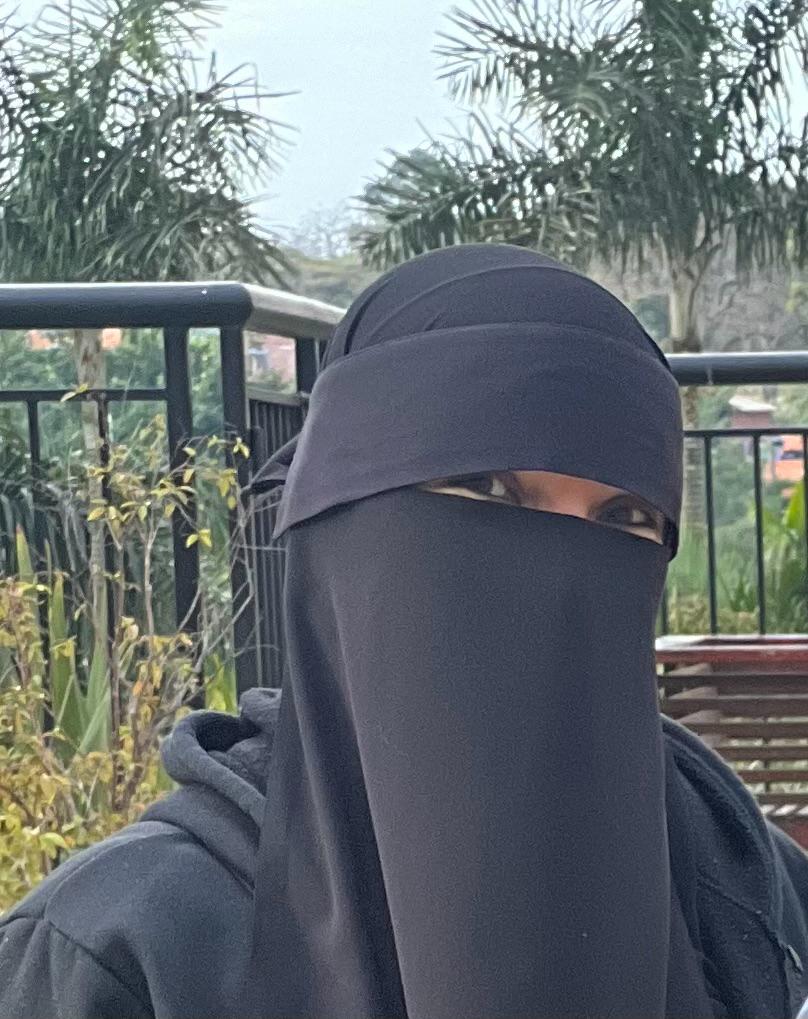
Ola El Kabani
12+ years
Qur’an Recitation (Tajweed)
Qur’an Memorization (Hifz)
Ola El Kabani is a dedicated Qur’an teacher with over 12 years of teaching experience, with a strong focus on recitation, Tajweed, and memorization (Hifz). She is read more…
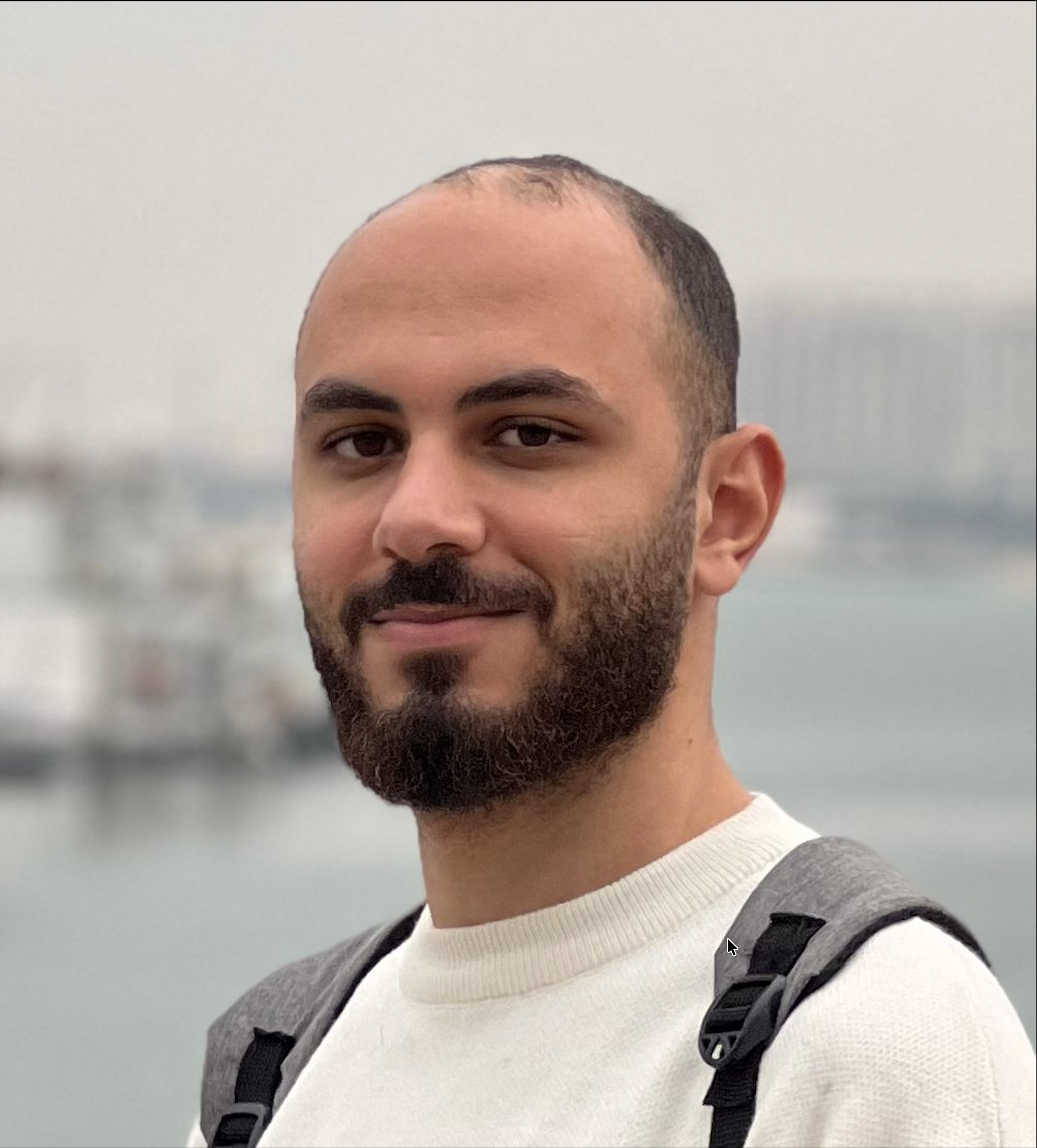
Ahmed Khatab
5+ years
Qur’an Recitation (Tajweed)
Islamic Studies
My name is Ahmed Khatab, and I am a committed Qur’an and Islamic Studies teacher at NoorPath Academy with over 5 years of teaching experience, read more…

Omnia Moahmed
4+ years
Qur’an Recitation (Tajweed)
Qur’an Memorization (Hifz)
Omnia Mohamed is a dedicated Qur’an and Tajweed teacher with over 4 years of teaching experience, working with both Arabic and non-Arabic speakers. She is passionate about helping students of all ages read more…
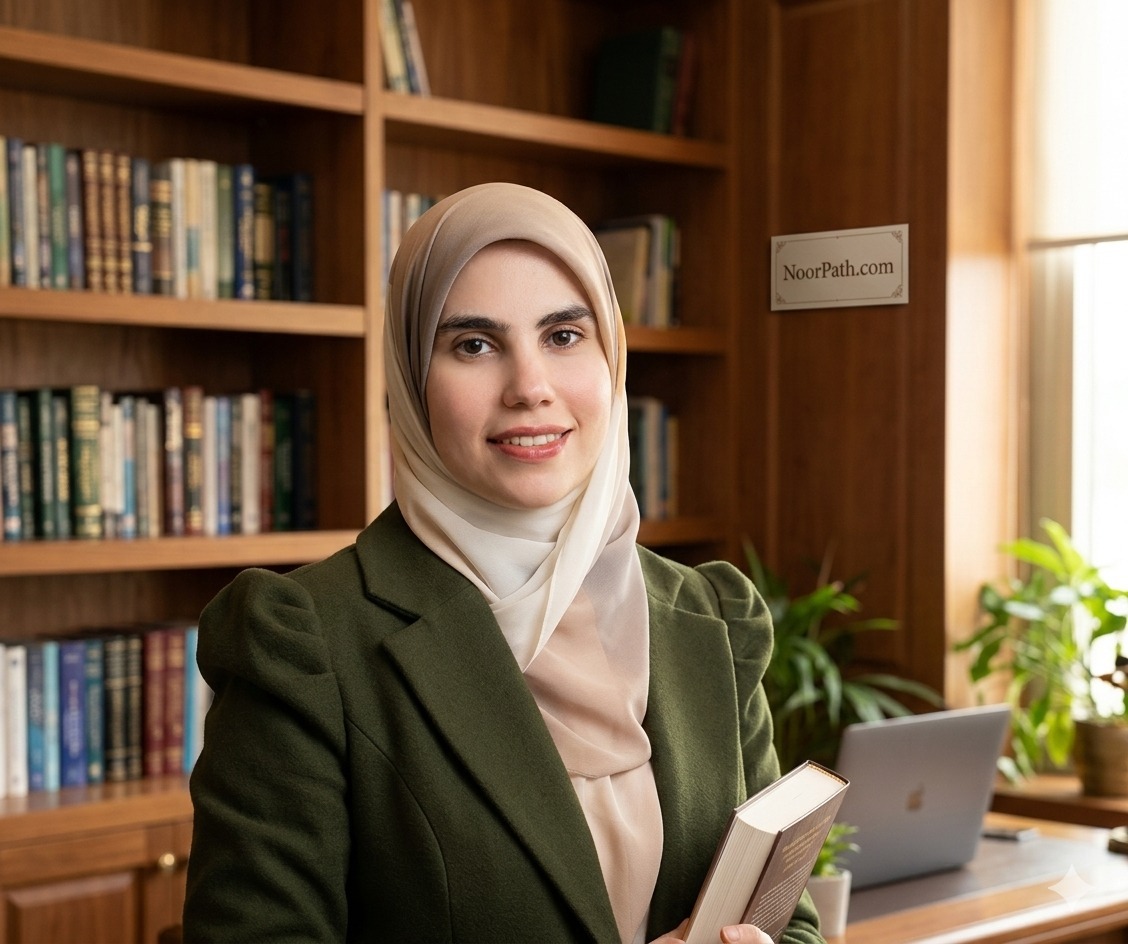
Norhan Ramy
4+ years
Quran Recitation (Tajweed)
Arabic Language
Islamic Studies
Norhan Ramy has over four years of experience teaching Quran, Arabic, and Islamic Studies. Throughout her teaching career, she has worked with students read more…
Why Choose NoorPath for Your Islamic History Course?
- Complete 1400-year chronological narrative from Islam's origins through modern times with clear connections between eras and civilizations.
- Focus on Muslim achievements in science, mathematics, medicine, philosophy, art, and architecture often omitted from mainstream history education.
- Balanced historical perspective examining both triumphs and challenges, avoiding romanticization while celebrating genuine achievements and legacy.
- Primary source integration including historical texts, original manuscripts, and archaeological evidence supporting authentic historical understanding.
- Expert historians with advanced degrees in Islamic Studies, Middle Eastern History, and Medieval Studies from recognized universities worldwide.
Student Testimonial

My daughter finally started enjoying memorization instead of feeling pressured. The step-by-step pace and revision routine made a huge difference for us.
Amina Khan, UK

I work full-time, so I thought Hifz was unrealistic for me. This class gave me structure, accountability, and real progress every week.
Omar El-Sayed, Canada

The teacher was patient, and my son stayed motivated because each lesson felt organized and achievable. We can already see strong improvement.
Yusuf Rahman, USA
I used to make the same pronunciation mistakes again and again. After a few weeks here, my recitation became much clearer and more confident.
Fatima Noor, South Africa

The corrections were gentle but precise, which made learning easy to follow. I now understand the rules instead of just memorizing them.
Abdul Rehman, Pakistan

The Quran Tajweed course helped my kids recite with better focus and better pronunciation. The one-on-one attention really stands out.
Mariam Hassan (Mother), Germany
I finally feel like I am reciting with more awareness and control. The lessons are practical, clear, and very encouraging.
Zainab Ali, Ireland
The Aqeedah course gave me clarity on beliefs I had heard all my life but never properly understood. The lessons were simple, structured, and meaningful.
Hamza Siddiq, USA
I liked how the teacher explained everything with patience and examples. It made the subject feel relevant to daily life, not just theory.
Maryam Saleh, Malaysia
My faith feels stronger because I now understand the foundations better. The course helped me connect knowledge with conviction.
Ibrahim Farooq, UK
It was easy to follow, even as a beginner. I came away with a much clearer understanding of the basics of belief in Islam.
Aisha Rahman, Canada
I finally understand the practical rulings behind everyday worship. The lessons were organized in a way that made real-life application easy.
Bilal Khan, Australia
The Fiqh course helped me answer questions I had for years about prayer, purity, and daily practice. It felt very useful and relevant.
Huda Karim, USA
I appreciated that the teacher explained the evidence and the wisdom behind the rulings. It made the subject much easier to trust and remember.
Faris Omar, South Africa
The pace was comfortable, and the explanations were clear enough for someone who is not a scholar. I feel much more confident now.
Noor Abdullah, UK
The Hadith course made me appreciate the Hadith much more deeply. I learned not just the wording, but the context and practical lessons too.
Salman Aziz, Pakistan
The teacher made a serious subject feel approachable. I now understand how Hadith connects directly to everyday Muslim life.
Hassan Ibrahim, Canada
My son became more interested in the Sunnah after joining this class. The explanations were clear, engaging, and age-appropriate.
Yasmin Omar (Mother), UAE
I liked how the lessons were broken down into manageable parts. It helped me stay consistent and actually remember what I learned.
Ahmad Saleem, Germany

I started as a complete beginner, and now I can read with far more confidence. The live correction really helped me improve fast.
Ahmed Zayed, USA
The class felt personal and practical. I especially liked how the teacher focused on speaking, reading, and understanding together.
Lina Hassan, UK

Arabic used to feel intimidating, but this course broke it down step by step. Now I actually enjoy learning it.
Faisal Omar, Canada
I can already see real progress in my pronunciation and reading. The lessons are patient, clear, and very well structured.
Noha Ali, Malaysia
This track gave me a full foundation in Islam instead of isolated topics. It feels balanced, organized, and easy to keep up with.
Abdul Rahman, Canada
I wanted a course that would help me and my children learn together, and this was exactly that. The lessons are broad but still very clear.
Fatima Saleh, USA
The combination of different subjects made the learning experience much richer. I liked that everything was taught in a connected way.
Yusuf Ali, Germany
Common Questions About Learning Islamic History
What makes this islamic history course different from general world history classes?
While world history courses briefly mention Islamic civilization, our course dedicates comprehensive study to Muslim history, from internal perspective, using primary sources, and covering achievements mainstream education often overlooks. You’ll gain insider understanding, not outsider summaries.
Is this course suitable for non-Muslims interested in Islamic history?
Yes. While designed for Muslims seeking to understand their heritage, anyone interested in medieval history, Islamic civilization, or Middle Eastern studies will find comprehensive, academically rigorous content presented accessibly.
Do I need background knowledge in history to take this course?
No prerequisites required. Module 1 starts with pre-Islamic Arabia basics, building knowledge progressively. Whether you’re a complete beginner or have some background, the curriculum accommodates all levels.
How is Islamic history different from Seerah (Prophet's biography)?
Seerah focuses specifically on Prophet Muhammad’s ﷺ life and teachings. Islamic history course covers 1400 years, from the Prophet’s era through caliphates, empires, golden ages, colonialism, and modern times. Seerah is one component within the larger historical narrative.
Is there a difference between Islamic history and Muslim history courses?
Yes — see the section above. Our course focuses on Islamic history specifically (the religion, its scholarship, and its institutions) while still honestly covering the wider Muslim historical experience, including internal disputes and non-religiously-motivated political events.
Can this course be used as part of an Islamic school curriculum?
Yes. Many families use it to supplement or structure an islamic school curriculum at home, since the five modules follow a clear chronological sequence that mirrors how Islamic history is typically taught in academic settings.
Do you offer any courses besides Islamic History?
Yes — NoorPath Academy offers any courses you’d expect from a comprehensive Islamic studies curriculum, including Seerah, Qur’an, Arabic, and Hadith Sciences, taught by the same standard of certified, Al-Azhar-trained scholars. Ask your enrollment advisor about combining courses.
Is Noor Path Academy accredited or recognized?
Noor Path Academy (NoorPath) is not a government-accredited academic institution, but instructors hold verifiable credentials from recognized institutions such as Al-Azhar University, and the course includes a certificate of completion. If you require formally accredited academic credit (for university transfer, for example), confirm in advance whether this certificate meets your institution’s requirements.
Where can I learn Islamic history online for free vs. with a structured course?
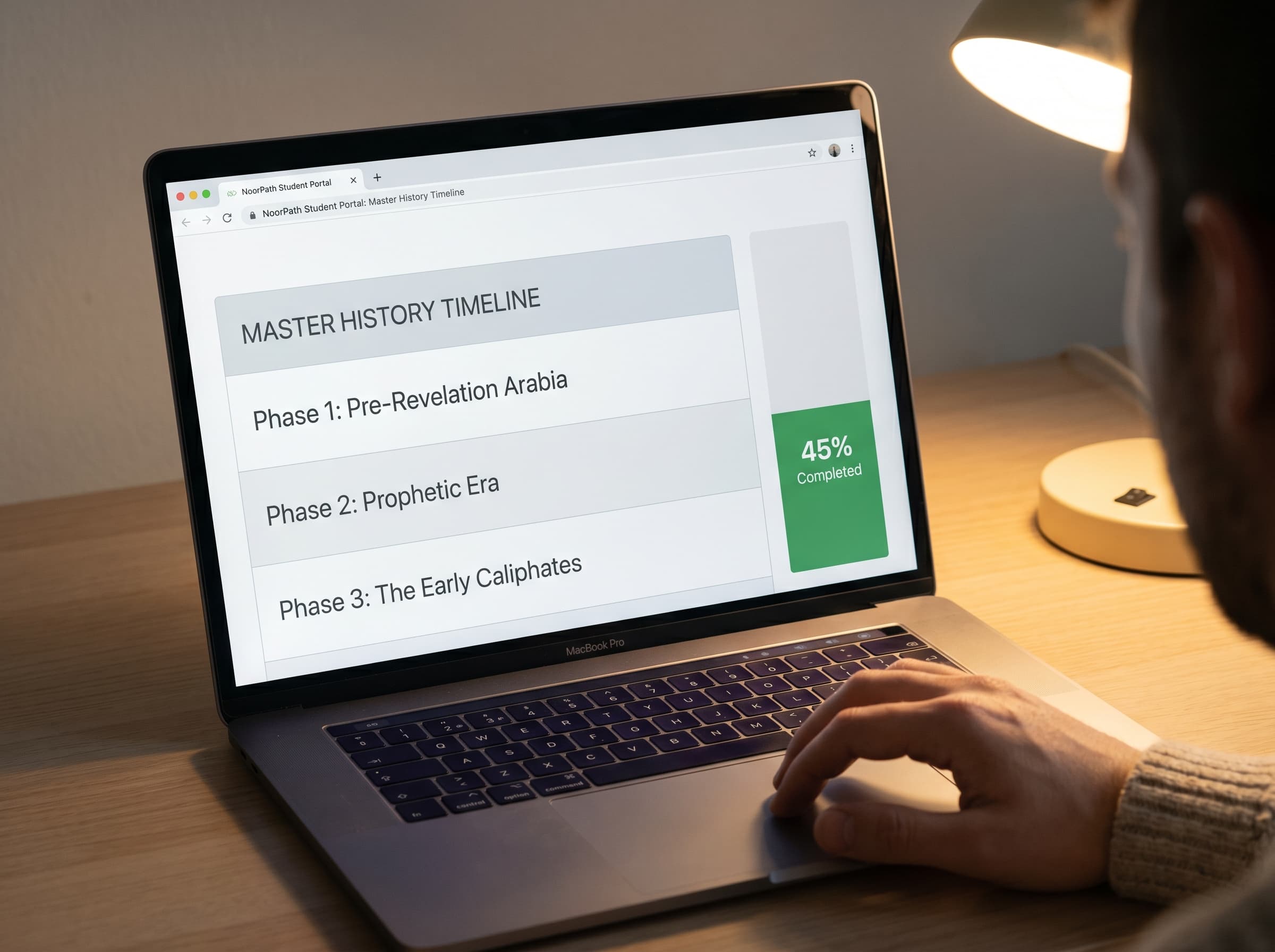
Free resources (lectures, articles, open courseware) exist and are useful for casual learning, but they’re typically unstructured. Our islamic history courses online are built around a fixed curriculum, 1-on-1 instruction, and progress tracking — better suited to learners who want depth and accountability rather than scattered exposure.
Our 100% Satisfaction Promise
If you are not happy after your first week of paid classes, we will refund your money with no questions asked.
Your Heritage Awaits Begin Your Islamic History Journey Today