Deepen your understanding of Islam by mastering the details of the Tahajjud prayer through our comprehensive online fiqh courses. Learn the rulings, wisdom, and spiritual significance of this blessed night prayer, and gain practical guidance to implement it correctly in your daily life. By enrolling, you’ll receive structured lessons from qualified scholars, empowering you to enrich your worship and strengthen your connection with Allah. Join today and elevate your knowledge of prayer beyond the basics.

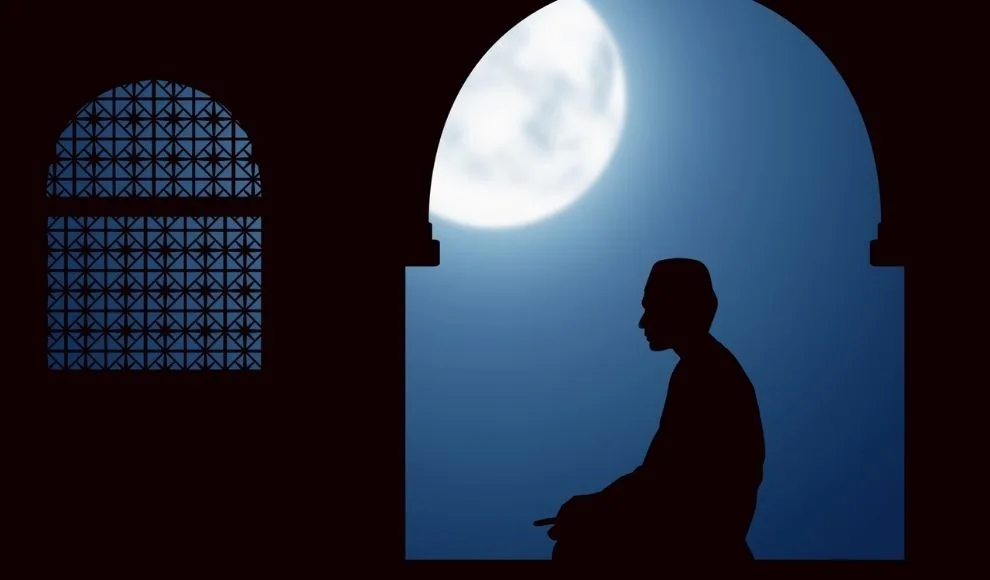
In the profound stillness of the night, when the world is asleep and the distractions of the day have faded, there exists a sacred opportunity for believers to connect with their Creator on a deeply personal level. This is the time for the Tahajjud prayer, a voluntary act of worship that holds immense spiritual significance and reward. It is a private conversation with Allah (SWT), a moment of sincere supplication, and a path to attaining unparalleled closeness to Him. This article will guide you through the virtues, methods, and secrets of the Tahajjud prayer, illuminating the path for those who seek to illuminate their nights with devotion.
What is Tahajjud?
The Tahajjud prayer, known in Arabic as صلاة التهجد (Salat al-Tahajjud), is a special, non-obligatory night prayer that is highly recommended in Islam. The term `Tahajjud` is derived from the Arabic root “hajada,” which means to give up sleep. Thus, it is the act of rising from sleep during the night to worship Allah (SWT). Unlike other voluntary prayers, the defining characteristic of Tahajjud is that it is performed after one has slept for a portion of the night and then woken up specifically for this act of worship.
This prayer is not one of the five compulsory daily prayers (Salah) and is therefore considered a `nafl` (voluntary) prayer. However, its importance is highlighted repeatedly in the Quran and the Sunnah (the practices of Prophet Muhammad ﷺ). It is a practice of the righteous, a means of seeking forgiveness, and a powerful tool for having one’s supplications answered. The very act of sacrificing sleep for the sake of Allah demonstrates a profound level of faith, sincerity, and devotion, making the Tahajjud a cherished practice among Muslims striving for spiritual excellence.
What is Tahajjud in Arabic? Understanding the Names of the Night Prayer
For anyone beginning their journey with night worship, a natural first question is: what is the night prayer called in Islam, and why does it have multiple names? Understanding the terminology removes confusion and deepens one’s connection to this blessed act.
Tahajjud in Arabic is written as تَهَجُّد (pronounced: ta-haj-jud). It comes from the root word هَجَدَ (hajada), which means to be asleep or to give up sleep. The word therefore captures the very essence of this prayer — the deliberate sacrifice of sleep for the sake of worship. This is why scholars have always said that the act of rising in the night is what gives Tahajjud its unique spiritual character and its special name.
The night prayer, however, is known by several names in Islamic tradition, each reflecting a slightly different dimension of its meaning:
- Salat al-Tahajjud (صلاة التهجد) — The prayer of one who has given up sleep. This is the most specific and well-known term.
- Qiyam al-Layl (قيام الليل) — “Standing in the night.” This is the broader term that encompasses all forms of night worship, including reciting Qur’an, making du’a, and dhikr.
- Salat al-Layl (صلاة الليل) — “The night prayer.” Used interchangeably with Qiyam al-Layl in many hadith.
- Namaaz-e-Shab (نماز شب) — The Persian and Urdu equivalent, used widely in South Asian and Iranian Muslim communities.
If you have ever wondered what is the midnight prayer called in Islam, the answer depends on when it is prayed. Any voluntary night prayer can be called Salat al-Layl or Qiyam al-Layl. But if it is prayed after one has slept and woken again — that is specifically Tahajjud.
For those who are just starting out with night worship, these terms can feel overwhelming. Practically speaking, if you wake up after sleeping, make wudu, and pray voluntary rak’at before Fajr — you are performing Tahajjud, and it counts fully as Qiyam al-Layl as well. This is exactly the kind of clarity that qiyam prayer for beginners needs to have from the start.
When to pray Tahajjud?
The time for performing the Tahajjud prayer is broad, yet it has a period of supreme virtue. The permissible Tahajjud time begins after the Isha prayer (the night prayer) is completed and extends until the break of dawn, which marks the beginning of the time for the Fajr prayer (the dawn prayer). A crucial condition is that the prayer should be offered after waking up from sleep, even if the sleep was brief.
The night can be divided into three parts to understand the most recommended time:
- The First Third of the Night: This is the period after Isha prayer until about midnight. Praying Tahajjud during this time is permissible and virtuous.
- The Middle Third of the Night: This period around midnight is also a good time for the prayer.
- The Final Third of the Night: This is the most virtuous and beloved time to Allah (SWT) for performing Tahajjud. It is the period just before the Fajr prayer begins.
The Prophet Muhammad (ﷺ) said:
“Our Lord, the Blessed, the Superior, comes down every night to the nearest Heaven to us when the last third of the night remains, saying: ‘Is there anyone to invoke Me, so that I may respond to invocation? Is there anyone to ask me, so that I may grant him his request? Is there anyone seeking My forgiveness, so that I may forgive him?’” (Bukhari)
This Hadith underscores the immense spiritual value of this blessed time. To calculate the final third, one can determine the total time between sunset (Maghrib) and sunrise (Fajr) and divide it by three. The last of these three portions is the final third of the night.
A visual representation of the night, highlighting the most virtuous time for Tahajjud prayer.
How to Calculate the Last Third of the Night (With a Worked Example)
A question asked by many Muslims is: how is the last third of the night calculated from Maghrib to Fajr? The answer is both clear and important. According to the Arabic Lexicon al-Misbah al-Munir, the Islamic night runs from sunset (Maghrib) to the break of dawn (Fajr). This is the scholarly basis for Islam’s last third of the night calculated from Maghrib to Fajr — not from midnight on the clock, and not from Isha.
To work out the last third, one calculates the time between the sunset prayer (Maghrib) and the dawn prayer (Fajr), then deducts two thirds from that time. IslamQA
Here is a simple worked example:
Example:
- Maghrib (Sunset): 7:00 PM
- Fajr (Dawn): 4:00 AM
- Total night duration: 9 hours
- One third of the night: 3 hours
- The last third begins at: 1:00 AM (i.e., Fajr time minus 3 hours)
This calculation changes every day and varies by location. The best time for Tahajjud prayer — the last third of the night — should be recalculated using your local Maghrib and Fajr times. Many reliable Islamic prayer apps and websites can automate this for you, but the manual method above is always accurate.
Is 3am the last third of the night? This depends entirely on your location and the season. Whether 3 a.m. falls within the last third of the night depends on the actual definition of nighttime, which begins after the Isha prayer and ends with the Fajr prayer; consequently, this timing is not always fixed but varies from country to country throughout the year. In some cities and seasons, the last third may begin as early as 1:00 AM or as late as 3:30 AM. Always verify with your local prayer timetable.
How many minutes before Fajr can I pray Tahajjud? There is no minimum distance required from Fajr. Can you pray Tahajjud before Fajr — even just minutes before? Yes. As long as you complete your prayer before the Fajr adhan is called, your Tahajjud is fully valid. Scholars recommend, however, that you leave yourself enough time to pray with calm and focus, and not to rush your Witr prayer. Practically, waking up at least 30–45 minutes before Fajr gives you a comfortable window.
Does Tahajjud have to be in the last third of the night? No. Tahajjud is valid throughout the night after Isha, provided you have slept. The last third is simply the most virtuous and beloved time. Someone who can only wake 15 minutes before Fajr should still pray — those minutes in the final portion of the night are immensely blessed.
The Purpose of Tahajjud Prayer
Understanding the Tahajjud prayer purpose transforms it from a ritual into a living spiritual practice. Tahajjud is not simply an extra prayer to accumulate reward. It is, at its core, a private audience with Allah (SWT) — a moment that no other time of the day or night quite replicates.
The scholars of Islam identified three primary purposes behind the Tahajjud prayer:
1. To Cultivate Sincere Devotion (Ikhlas)
When a person rises from their warm bed in the dark and cold of the night, with no one watching and no social recognition to be gained, the act is purely for Allah. This sincerity is the highest form of worship. The night strips away all performance and leaves only truth.
2. To Purify the Soul and Repent from Sins
The Prophet ﷺ said: “Observe the night prayer; it was the practice of the righteous before you, and it brings you closer to your Lord, and it is penance for evil deeds and erases sins and repels disease from the body.” (At-Tirmidhi). This hadith reveals that Tahajjud is a form of spiritual detox — a regular cleansing of the heart.
3. To Strengthen the Connection with the Qur’an
Allah (SWT) says in Surah Al-Muzzammil (73:6): “Verily, the rising by night is most potent for governing the soul and most suitable for understanding the Word of Allah.” The night creates the ideal environment for deep Qur’anic recitation and reflection. Prolonged recitation during Tahajjud was a consistent practice of the Prophet ﷺ.
In essence, the Tahajjud prayer exists to forge a Muslim’s identity as a servant of Allah — not just during the day, but in the hidden hours when the world is asleep.
The Importance of Tahajjud Prayer
The significance of the Tahajjud prayer cannot be overstated. It is described in the Quran as a characteristic of the true believers and a path to an honored station. Allah (SWT) specifically commanded His Messenger (ﷺ) to establish this prayer:
وَمِنَ اللَّيْلِ فَتَهَجَّدْ بِهِ نَافِلَةً لَّكَ عَسَىٰ أَن يَبْعَثَكَ رَبُّكَ مَقَامًا مَّحْمُودًا
“And from [part of] the night, pray with it as an additional [worship] for you; it is expected that your Lord will resurrect you to a praised station.” (Quran, Surah Al-Isra, 17:79)
This verse alone highlights the importance of the tahajjud prayer. While it was an additional obligation for the Prophet (ﷺ), for his followers, it is a highly recommended Sunnah that brings immense rewards. The spiritual Tahajjud benefits are numerous and life-altering:
Closeness to Allah:
The quiet and solitude of the night provide a unique environment for fostering a deep, personal connection with the Creator, free from worldly distractions.
Acceptance of Du’a:
As mentioned in the Hadith, the last third of the night is a time when Allah (SWT) descends to the lowest heaven and calls out to His servants, promising to answer their prayers. This makes the Tahajjud dua exceptionally powerful.
Forgiveness of Sins:
The Prophet (ﷺ) said, “You should pray Qiyam al-Layl, for it is the habit of the righteous people who came before you, and it will bring you closer to your Lord, will expiate for bad deeds, and will prevent you from sin.” (Tirmidhi)
A Sign of the Righteous:
The Quran describes the servants of the Most Merciful as those who “spend the night before their Lord, prostrating and standing” (Quran, 25:64). Regularly performing Tahajjud is a hallmark of piety and righteousness.
Strength and Inner Peace:
Waking up to pray when the self desires rest is a great form of jihad (struggle) against one’s own desires. This discipline builds spiritual resilience, patience, and tranquility in the heart.
Among the many beautiful Tahajjud quotes from Islamic tradition is the saying of Imam Hasan al-Basri, who, when asked why those who pray Tahajjud have the most beautiful faces, replied, “Because they secluded themselves with the Most Merciful, so He clothed them with His light.”
How many Rakat in Tahajjud?
A common question regarding this blessed prayer is about the number of units, or Tahajjud rakat, one should perform. The Tahajjud prayer is performed in sets of two rak’at (units of prayer), similar to most other voluntary prayers.
The minimum number of rak’at for Tahajjud is two. One can fulfill the Sunnah by praying just two rak’at with sincerity and devotion.
There is no fixed maximum limit to the number of rak’at one can pray. A person can pray as many sets of two as they are able and willing to, based on their energy and the time available before Fajr Prayer.
The most common practice of the Prophet Muhammad (ﷺ), as reported by his wife Aisha (RA), was that he would not exceed eleven rak’at in the night prayer (including Witr). She said:
“Allah’s Messenger (ﷺ) did not pray more than eleven rak’at in Ramadan or in any other month. He would pray four, and would not ask about their beauty and length. Then he would pray four, and not ask about their beauty and length. Then he would pray three (Witr).” (Bukhari)
This indicates that a common practice is to pray eight rak’at of Tahajjud (in four sets of two) followed by three rak’at of Witr prayer. However, it is important to remember that this is a recommendation, not a strict requirement. It is better to pray two sincere and focused rak’at than to pray many rak’at hastily and without concentration. The key is consistency and quality over quantity.
Conditions for a Valid Tahajjud Prayer
Before learning how to pray Tahajjud step by step, it is important to understand the foundational conditions for Tahajjud to be considered valid. These conditions are largely the same as those required for any Salah, with one important addition that is unique to Tahajjud. Meeting these conditions ensures your prayer is accepted and complete.
1. The Prayer Must Be Performed After Isha
Tahajjud cannot be prayed before the obligatory Isha prayer has been completed. The night prayer window opens only after Isha.
2. It Must Be Performed Before the Fajr Adhan
The window for all night prayers, including Tahajjud, closes when the Fajr adhan is called at the entry of true dawn. The worshipper should not delay Tahajjud or Witr until the break of dawn; rather, they should try to ensure that all of it is completed before the adhan of Fajr. Islam Question & Answer
3. The Condition of Sleep — A Point of Scholarly Difference
This is where scholars have an important and well-known difference of opinion:
- The majority of scholars (including the Shafi’i school) hold that true Tahajjud requires waking up after having slept, even if the sleep was brief. The word Tahajjud itself, derived from hajada, implies the abandonment of sleep, which presupposes that sleep occurred first.
- The Hanafi school and others hold that sleep is not a strict condition for the validity of the prayer. Tahajjud Salah begins after half the night has passed; whether one sleeps or not, Tahajjud Salah can be performed. Sleeping is not a condition for the validity of Tahajjud, according to the Hanafi position.
- According to other scholars, Tahajjud Prayer can be performed without sleeping beforehand. It remains valid and is a significant act of worship, especially if performed during the last third of the night.
The safe and recommended position, followed by the vast majority of scholars, is to sleep first — even a short nap — and then wake up for Tahajjud. This is also closer to the Prophetic practice and is what gives this prayer its special name and status.
4. A Pure State (Taharah)
The worshipper must have performed Wudu (ritual ablution) before beginning the prayer. The body, clothing, and place of prayer must all be free of ritual impurity.
5. Facing the Qibla
Like all Salah, the worshipper must face the direction of the Ka’bah.
6. A Sincere Intention (Niyyah)
The prayer must be performed with a sincere intention for the sake of Allah alone. This is the same Niyyah discussed in the step-by-step guide below.
Is Tahajjud nafl or Sunnah? — How many rakats in Tahajjud: nafl or Sunnah? Tahajjud is classified as a Sunnah Mu’akkadah — an emphasized Sunnah — by the majority of scholars. It is not a nafl (general optional prayer) in the simple sense, because it was consistently practiced by the Prophet ﷺ and those he praised. It is, however, still voluntary (not obligatory like the five daily prayers). Some scholars classify it as nafl given that it is not wajib, but the distinction is mainly technical — in practice, it is one of the most beloved and recommended acts of worship a Muslim can perform.
How to perform Tahajjud Prayer?
Performing the Tahajjud prayer is a straightforward process, following the standard procedure of Islamic prayer (Salah). The key difference lies in the timing and the intention behind it. Here is a step-by-step guide:
 Tahajjud routine
- Wake Up After Sleeping: The first step is to have slept after the Isha prayer and then to wake up during the night with the specific purpose of praying Tahajjud.
- Make Ablution (Wudu): Perform a thorough and mindful Wudu, preparing yourself physically and mentally for the prayer.
- Formulate the Intention (Niyyah): The intention for tahajjud is crucial. In your heart, make a sincere intention to perform the Tahajjud prayer for the sake of Allah (SWT) alone. This is the Tahajjud niyat, and it does not need to be uttered verbally. The intention is what distinguishes this prayer from any other night prayer.
- Pray in Two-Rakat Units: Begin the prayer by praying two rak’at. The method is the same as any other two-rakat prayer:
- Start with the Takbir al-Ihram (“Allahu Akbar”).
- Recite Surah Al-Fatiha, followed by another Surah or verses from the Quran. It is recommended to prolong the recitation in the night prayer, as this was the practice of the Prophet (ﷺ).
- Perform Ruku (bowing) and then rise from it.
- Perform two Sujood (prostrations), with a brief sitting in between.
- This completes one rakat. Stand up for the second rakat and repeat the process.
- After the second prostration of the second rakat, sit for the Tashahhud, and conclude the prayer with the Taslim (“Assalamu Alaikum wa Rahmatullah”).
- Repeat as Desired: You can repeat this two-rakat prayer as many times as you wish.
- Conclude with Witr Prayer: It is the Sunnah to make the Witr prayer the last prayer of the night. If you have not yet prayed Witr after Isha, you should pray it after you have completed your Tahajjud prayers. If you have already prayed Witr after Isha, you should not repeat it. The Prophet (ﷺ) said, “There are no two Witr prayers in one night.” (Tirmidhi)
Du’as for Tahajjud?
The time of Tahajjud is a prime time for making Du’a (supplication). The heart is soft, the mind is clear, and Allah (SWT) has promised to respond. While one can make any Du’a in any language, there are specific supplications from the Sunnah that are highly recommended to be recited during this blessed prayer. A powerful Tahajjud dua can be a source of immense comfort and blessings.
Dua for Starting Tahajjud
When the Prophet Muhammad (ﷺ) would wake up for Tahajjud, he would begin with a beautiful Du’a of praise and submission. It is highly recommended to start your prayer with this comprehensive supplication:
اللَّهُمَّ لَكَ الْحَمْدُ أَنْتَ قَيِّمُ السَّمَوَاتِ وَالْأَرْضِ وَمَنْ فِيهِنَّ، وَلَكَ الْحَمْدُ لَكَ مُلْكُ السَّمَوَاتِ وَالْأَرْضِ وَمَنْ فِيهِنَّ، وَلَكَ الْحَمْدُ أَنْتَ نُورُ السَّمَوَاتِ وَالْأَرْضِ، وَلَكَ الْحَمْدُ أَنْتَ الْحَقُّ، وَوَعْدُكَ الْحَقُّ، وَلِقَاؤُكَ حَقٌّ، وَقَوْلُكَ حَقٌّ، وَالْجَنَّةُ حَقٌّ، وَالنَّارُ حَقٌّ، وَالنَّبِيُّونَ حَقٌّ، وَمُحَمَّدٌ صلى الله عليه وسلم حَقٌّ، وَالسَّاعَةُ حَقٌّ، اللَّهُمَّ لَكَ أَسْلَمْتُ، وَبِكَ آمَنْتُ، وَعَلَيْكَ تَوَكَّلْتُ، وَإِلَيْكَ أَنَبْتُ، وَبِكَ خَاصَمْتُ، وَإِلَيْكَ حَاكَمْتُ، فَاغْفِرْ لِي مَا قَدَّمْتُ وَمَا أَخَّرْتُ، وَمَا أَسْرَرْتُ وَمَا أَعْلَنْتُ، أَنْتَ الْمُقَدِّمُ وَأَنْتَ الْمُؤَخِّرُ، لاَ إِلَهَ إِلاَّ أَنْتَ
“O Allah, to You be praise. You are the Sustainer of the heavens and the earth and all that is in them. To You be praise. To You belongs the dominion of the heavens and the earth and all that is in them. To You be praise. You are the Light of the heavens and the earth. To You be praise. You are the Truth, Your promise is true, the meeting with You is true, Your speech is true, Paradise is true, Hell is true, the Prophets are true, Muhammad (ﷺ) is true, and the Hour is true. O Allah, to You I have submitted, in You I have believed, in You I have put my trust, to You I have turned, by You I have argued, and to You I have referred for judgment. So forgive me what I have sent forth and what I have held back, what I have concealed and what I have declared. You are the One who brings forward and the One who holds back. There is no god but You.” (Bukhari)
Dua During Sujood (Prostration)
The position of Sujood (prostration) is the closest a servant is to their Lord. It is a time of ultimate humility and an ideal moment for heartfelt supplication. The Prophet (ﷺ) said, “The closest that a servant is to his Lord is when he is in prostration, so increase in supplication then.” (Muslim). During the Sujood of your Tahajjud prayer, you can make Du’a for anything you desire in your own words, after reciting the standard “Subhana Rabbiyal A’la.“

Dua After Tahajjud
After completing your two-rakat prayers and before or after Witr, you can raise your hands and make a long, sincere Du’a. This is your personal time with Allah. Pour out your heart, ask for forgiveness, seek guidance, and pray for your needs and the needs of your loved ones. A highly recommended Du’a is the “Sayyid al-Istighfar” (The Master of Seeking Forgiveness), as it is one of the best ways to seek pardon from Allah.
What is the difference between a Tahajjud prayer and Qiyamullail?
The terms Tahajjud and Qiyam al-Layl are often used interchangeably, but there is a subtle distinction between them.
Qiyam al-Layl (قيام الليل):
This is a general term that translates to “standing in the night.” It refers to any and all acts of worship performed during the night after the Isha prayer. This includes formal prayer (Salah), recitation of the Quran, remembrance of Allah (Dhikr), making Du’a, and any other form of devotion. Qiyam al-Layl can be performed before or after sleeping.
Tahajjud (تهجد):
This is a more specific term. Tahajjud is a part of Qiyam al-Layl, but it specifically refers to the voluntary prayers offered *after* one has slept and then woken up during the night.
Therefore, all Tahajjud is considered Qiyam al-Layl, but not all Qiyam al-Layl is Tahajjud. For example, if someone stays awake after Isha prayer and performs voluntary prayers before going to sleep, this is considered Qiyam al-Layl but not Tahajjud. If they go to sleep, wake up at 3 AM, and then pray, that prayer is both Qiyam al-Layl and, more specifically, Tahajjud. The act of sacrificing sleep for prayer gives Tahajjud its special status and name.
Can Tahajjud be prayed before Fajr?
Yes, absolutely. In fact, the time right before the Fajr prayer begins is the most virtuous time to pray Tahajjud. The valid window for Tahajjud extends from after the Isha prayer until the adhan (call to prayer) for Fajr is called, which signals the start of the Fajr prayer time. The period just before dawn is the “last third of the night,” a time of immense blessings and mercy from Allah (SWT).
This brings up a related question about the difference between tahajjud and fajr. They are two distinct prayers with different rulings and timings:
- Tahajjud: A voluntary (nafl) prayer performed during the night *before* the time for Fajr begins.
- Fajr: An obligatory (fard) prayer consisting of two rak’at. It is one of the five pillars of Islam. Its time begins at true dawn and ends at sunrise. It is preceded by a highly recommended two-rakat Sunnah prayer, which is separate from Tahajjud.
So, one must complete their Tahajjud and Witr prayers before the time for the Fajr prayer starts. Once the Fajr adhan is called, the time for the night prayers has ended, and the time for the dawn prayer has begun.
What is the midnight prayer called in Islam?
The voluntary night prayer in Islam goes by several names depending on when and how it is performed. It is most broadly called Qiyam al-Layl (standing in the night) or Salat al-Layl (the night prayer). When performed specifically after waking from sleep, it is called Tahajjud. In Persian and Urdu-speaking communities, it is also known as Namaaz-e-Shab.
Does Tahajjud have to be in the last third of the night?
No — Tahajjud is valid at any point after Isha, provided you have slept first and then woken up. However, the last third of the night is the most virtuous time, as Allah (SWT) descends to the lowest heaven during this period. If you can only wake up 20 minutes before Fajr, pray in those 20 minutes — the reward is still immense.
How many minutes before Fajr can I pray Tahajjud?
There is no specific minimum. You can pray Tahajjud right up until the Fajr adhan is called. Scholars recommend having at least 20–30 minutes to pray with calm and to complete your Witr without rushing.
Can I do 4 rakat Tahajjud?
Yes. You can pray 2, 4, 6, 8, or more rak’at of Tahajjud. The key rule is that night prayer is always prayed in sets of two — each set completed with its own Taslim. Do not combine four rak’at into a single continuous prayer the way you would for obligatory prayers.
What is Fajr time in NYC?
Fajr time in New York City changes daily based on the season. For today’s accurate Fajr time in New York City, please check a reliable Islamic prayer app or website such as IslamicFinder, ISNA’s prayer timetable, or your local mosque. Fajr in NYC typically ranges from around 4:00 AM in summer to after 6:00 AM in winter.
How many rakats in Tahajjud — nafl or Sunnah?
Tahajjud is classified as a Sunnah Mu’akkadah (emphasized Sunnah) by the majority of scholars — not a simple nafl prayer. It was the consistent practice of the Prophet ﷺ. The minimum is two rak’at, and there is no maximum. The Prophet ﷺ most commonly prayed eight rak’at followed by three rak’at of Witr.
In Conclusion
The Tahajjud prayer is more than just a ritual; it is a spiritual journey undertaken in the silence of the night. It is a testament to a believer’s love for Allah, a powerful means of self-purification, and a direct line of communication with the Divine. By sacrificing the comfort of sleep, one unlocks the doors to forgiveness, guidance, and unimaginable spiritual rewards. Embracing the practice of Tahajjud is to walk in the footsteps of the prophets and the righteous, to illuminate the heart with the light of faith, and to find a sanctuary of peace in a tumultuous world. May Allah (SWT) grant us the strength and sincerity to establish this beautiful act of worship and to reap its countless blessings.
