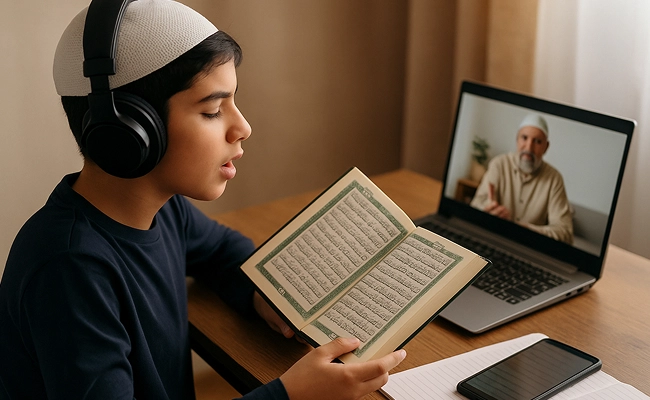
The tradition of Ramadan unites 1.9 billion Muslims worldwide through fasting, prayer, and community service, yet each culture celebrates uniquely. From children’s festivals in the Gulf to spiritual bathing rituals in Indonesia, these ten traditions reveal how diverse communities honor this sacred month while maintaining its universal spiritual core.
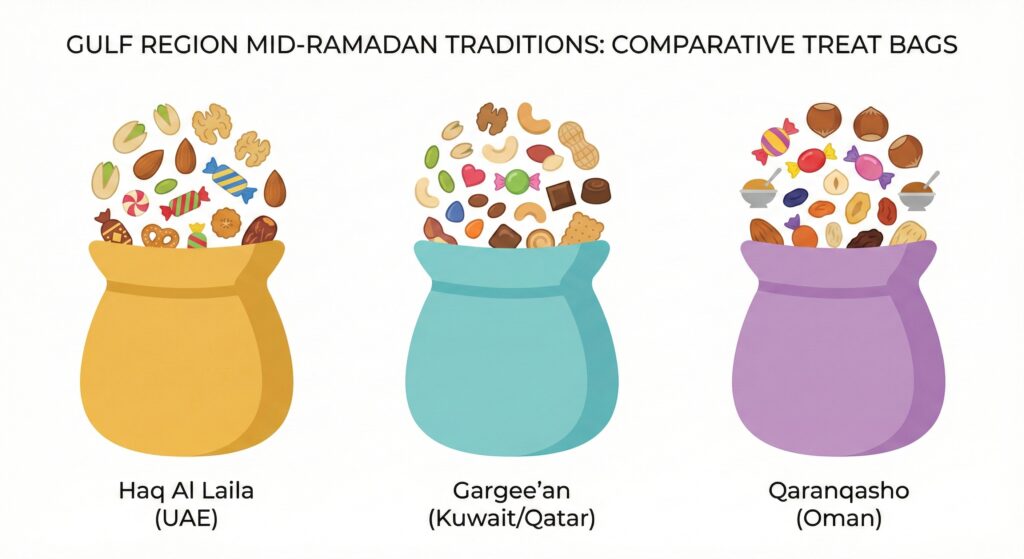
1. Haq Al Laila: The Children’s Pre-Ramadan Festival (UAE & Gulf Countries)
Fifteen days before Ramadan begins, children across the United Arab Emirates and other Gulf countries participate in Haq Al Laila, a joyful celebration that prepares hearts for the holy month ahead. Young participants dress in traditional clothing and visit neighborhood homes, singing traditional songs while collecting sweets, nuts, and small gifts from neighbors.
This cherished tradition creates anticipation and excitement among younger generations while teaching them about generosity and community bonds. Families prepare special treats weeks in advance, and the evening becomes a neighborhood-wide celebration that strengthens social connections before the spiritual intensity of Ramadan begins.
2. Gargee’an and Qaranqasho: Mid-Ramadan Children’s Festivities (Iraq, Kuwait, Qatar, Bahrain)
During the 13th, 14th, or 15th night of Ramadan, children throughout Iraq, Kuwait, Qatar, and Bahrain celebrate Gargee’an (also called Qaranqasho in some regions). This carnival-like tradition features children wearing traditional attire while going door-to-door collecting sweets and treats in decorated bags.
The celebration includes special songs unique to each country, creating a festival atmosphere in residential neighborhoods. Families prepare elaborate gift bags containing chocolates, candies, and nuts, often wrapped in colorful fabrics. This mid-Ramadan celebration provides children with memorable experiences that connect them to their cultural heritage while breaking up the month’s fasting routine.
3. The Ramadan Cannon: Historic Signals for Breaking Fast (Gulf Nations)
Across several Gulf nations, the firing of ceremonial cannons marks the moment to break the daily fast. This tradition dates back to the Ottoman Empire when cannons served as the primary method of communicating prayer times and iftar (the evening meal that breaks the fast) across large cities.
Today, while modern technology provides precise prayer time notifications, many cities maintain this historic practice as a cultural touchstone. The cannon firing has evolved into a tourist attraction and photo opportunity, particularly in cities like Dubai and Abu Dhabi, where public gatherings form around these historic ceremonies.
4. Chaand Raat: The Moon-Sighting Celebration (Pakistan, India, Bangladesh)
On the final night of Ramadan, communities across Pakistan, India, and Bangladesh engage in Chaand Raat, the “Night of the Moon.” Families gather to spot the crescent moon that signals Eid al-Fitr, the celebration marking Ramadan’s end.
This festive evening transforms into a vibrant cultural celebration featuring markets that stay open all night, elaborate henna applications for women and girls, and last-minute Eid shopping. Streets fill with people purchasing new clothes, bangles, and gifts while savoring traditional sweets like sheer khurma and jalebi. The atmosphere combines spiritual anticipation with joyful preparation, creating one of the most beloved traditions in South Asian Muslim culture.
5. Padusan: Indonesia’s Purification Ritual (Indonesia)
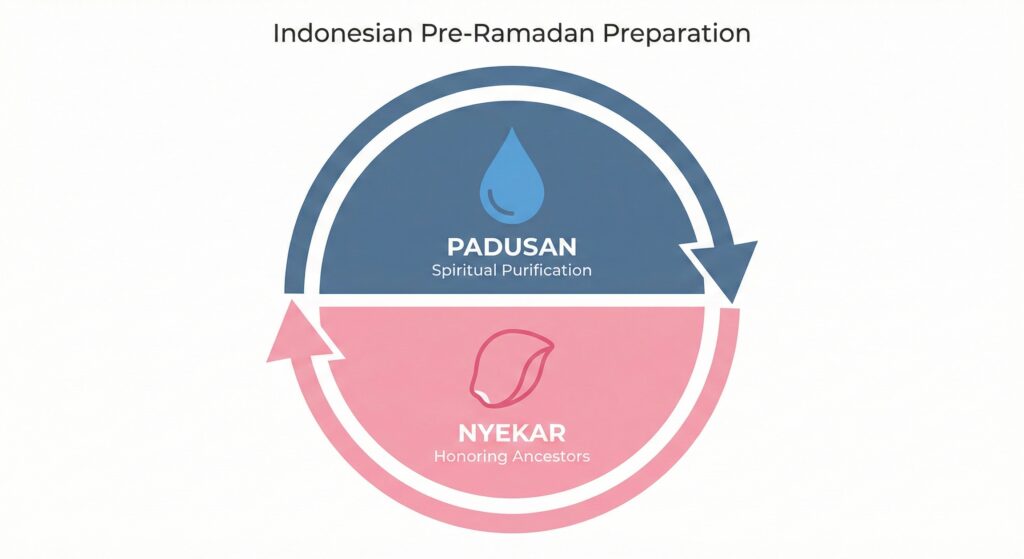
Before Ramadan begins, Indonesian Muslims participate in Padusan, a spiritual bathing tradition performed in natural springs, rivers, or designated public bathing areas. This practice represents both physical cleanliness and spiritual purification as communities prepare to enter the holy month.
Families visit sacred springs considered to have special spiritual significance, immersing themselves in the flowing water while reciting prayers. Research from Islamic educational institutions indicates that this pre-Ramadan ritual combines indigenous Indonesian customs with Islamic purification principles, creating a uniquely Indonesian expression of preparing for sacred time.
The tradition draws massive crowds to famous springs like Sendang Sani in Central Java, where thousands gather during the days leading up to Ramadan. This communal aspect strengthens neighborhood bonds and creates shared anticipation for the spiritual journey ahead.
6. Nyekar: Honoring Ancestors Through Grave Visitation (Indonesia)
Another distinctive Indonesian tradition, Nyekar involves visiting the graves of deceased family members before Ramadan begins. Families clean gravesites, place fresh flowers (particularly rose petals), recite prayers, and seek forgiveness for the departed.
This practice reflects the Indonesian Islamic emphasis on maintaining family connections across generations. By honoring ancestors before the holy month, families spiritually prepare themselves while strengthening their understanding of life’s temporary nature. The tradition beautifully merges Islamic teachings about remembering death with Indonesian cultural values of family reverence.
7. Buka Puasa: Communal Breaking of Fast (Indonesia & Malaysia)
Throughout Indonesia and Malaysia, Buka Puasa transforms the daily fast-breaking into large communal gatherings at mosques, community centers, and public spaces. Unlike individual family iftars, these events bring together hundreds or thousands of people from diverse backgrounds to share meals together.
Organizations, companies, and community groups sponsor these gatherings, providing free meals to anyone who attends regardless of economic status. The communal nature reinforces Islamic principles of equality and brotherhood, as wealthy business owners sit beside laborers, students, and elderly community members sharing the same simple meal.
8. Mesaharaty: The Dawn Awakeners (Egypt, Morocco, Turkey, Syria)
In Egypt, Morocco, Turkey, and Syria, the Mesaharaty (also called Nafar or Tebbal in different regions) walks through neighborhoods before dawn, drumming or playing traditional instruments to wake people for suhoor, the pre-dawn meal before fasting begins.
This centuries-old tradition dating back to Ottoman times creates a distinctive soundscape of Ramadan nights. The Mesaharaty often calls out family names, adding personal touches to the wake-up service. In modern times, despite alarm clocks and smartphone apps, many communities maintain this tradition both for its cultural value and the unique community atmosphere it creates.
Families often reward their neighborhood Mesaharaty with gifts or money at the end of Ramadan, maintaining the reciprocal relationship between the awakener and the community. This tradition exemplifies how ancient practices continue to hold meaning even in contemporary urban settings.
9. Fanous: The Lanterns of Hope (Egypt & North Africa)
Egyptian streets, homes, and shops display colorful Fanous lanterns throughout Ramadan, creating a distinctive visual identity for the holy month. These decorative lanterns, featuring intricate metalwork and colored glass, illuminate windows, doorways, and public squares.
The tradition reportedly began during the Fatimid dynasty when people used lanterns to light the streets for religious processions. Today, Fanous lanterns range from simple traditional designs to elaborate modern creations, becoming beloved symbols of Ramadan for Egyptian children who often sing traditional songs while carrying their lanterns through neighborhoods.
The lantern tradition has spread beyond Egypt to other Arab countries, though it remains most strongly associated with Egyptian Ramadan culture. Markets dedicated to Fanous sales appear weeks before Ramadan, offering handcrafted and commercially produced options that families collect and display year after year.
10. Mawaeed Al-Rahman: The Tables of Mercy (Morocco & North Africa)
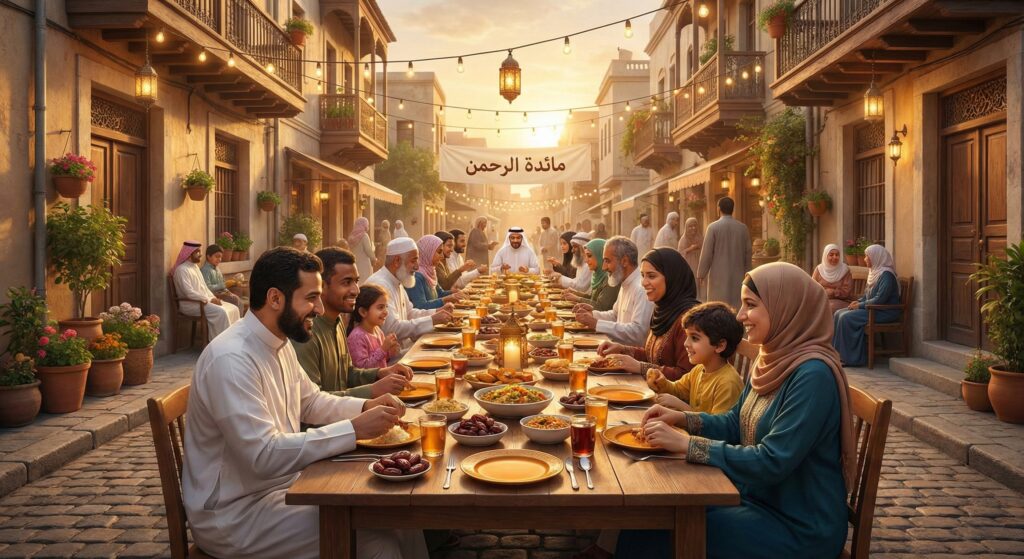
Across Morocco and throughout North Africa, communities set up long tables on public streets offering free iftar meals to anyone who needs them. These “Tables of Mercy” (Mawaeed Al-Rahman) embody Ramadan’s charitable spirit by ensuring no one breaks their fast alone or hungry.
Wealthy individuals, charitable organizations, and community groups sponsor these street iftars, often providing elaborate meals with multiple courses. The tables welcome everyone regardless of economic status, creating spaces where strangers become temporary family members united in breaking bread together.
This tradition demonstrates practical application of Islamic charity principles while addressing food insecurity. During Ramadan, these community tables can serve thousands of meals daily in major cities, representing one of the most visible manifestations of Ramadan’s emphasis on caring for others.
Universal Traditions Connecting All Muslims
Sadaqah and Zakat: Amplified Charitable Giving
While charity remains important throughout the Islamic year, Ramadan intensifies charitable activities across all Muslim communities. Sadaqah (voluntary charity) and Zakat (obligatory almsgiving, one of Islam’s five pillars) take center stage during this month.
According to research from university-based Islamic studies programs, Muslims believe charitable acts during Ramadan receive multiplied spiritual rewards, motivating increased generosity. Communities organize donation drives, food distributions, and support programs for vulnerable populations.
Many Muslims specifically save their annual Zakat payments to distribute during Ramadan, timing this religious obligation with the month’s spiritual atmosphere. This convergence creates significant charitable impact, with Islamic relief organizations reporting that substantial portions of their annual donations arrive during Ramadan.
Taraweeh: The Extra Night Prayers
After the final daily prayer (Isha), Muslims worldwide gather in mosques for Taraweeh, special nightly prayers performed only during Ramadan. These extended prayers often include recitation of the entire Quran over the month’s 29 or 30 nights.
Taraweeh creates a unique spiritual rhythm for Ramadan nights, with communities standing together in prayer for an hour or more. The congregational aspect strengthens bonds between community members while the Quranic recitation deepens spiritual reflection.
Different Islamic traditions practice Taraweeh with varying numbers of prayer cycles (rak’ahs), but the essential purpose remains universal: dedicating extra nighttime worship specifically for this blessed month.
Family Gatherings at Suhoor and Iftar
Perhaps the most universally practiced tradition involves families gathering for suhoor (the pre-dawn meal) and iftar (the fast-breaking meal). These daily family meals transform routine eating into spiritually significant communal experiences.
Suhoor typically occurs in quiet pre-dawn hours, creating intimate family time before the day’s fast begins. Traditional foods vary by culture, but the shared experience of waking early and eating together strengthens family bonds.
Iftar carries particular emotional weight as families break their fasts together at sunset. The moment of breaking the fast often begins with dates and water, following the Prophet Muhammad’s example, before proceeding to fuller meals featuring regional specialties and family recipes passed through generations.
How to Experience Ramadan in Your Community
For those interested in learning more about Ramadan traditions, many communities offer opportunities for interfaith engagement during this special month. Local mosques often host community iftars that welcome neighbors of all backgrounds, providing authentic experiences of hospitality and cultural exchange.
If you’re interested in deepening your understanding of Islamic practices and Quranic teachings, resources like Noor-path Academy offer structured approaches to engaging with Islamic texts and traditions throughout the year, while also offering personalized 1-on-1 Classes with native qualified teachers for topics such as Quran Memorization, Tajweed and Islamic studies for all ages.
When is Ramadan in 2026?
Ramadan 2026 is expected to begin around February 17 and end around March 18, though exact dates depend on moon sighting in different regions. The Islamic lunar calendar causes Ramadan to shift approximately 10-12 days earlier each Gregorian year.
Why do Ramadan dates change every year?
The Islamic calendar follows lunar months of 29 or 30 days, making the Islamic year approximately 11 days shorter than the solar Gregorian calendar. This causes Ramadan to move backward through the seasons over a 33-year cycle, meaning Muslims experience fasting during different times of year and varying daylight hours throughout their lives.
What are the basic fasting rules during Ramadan?
Muslims abstain from food, drink, smoking, and marital relations from dawn (Fajr prayer) until sunset (Maghrib prayer). The fast includes both physical abstinence and spiritual discipline, encouraging Muslims to avoid gossip, anger, and negative behaviors. Educational resources from recognized Islamic institutions emphasize that Ramadan fasting aims to develop self-control, empathy for those less fortunate, and increased God-consciousness.