

Ramadan, the ninth month of the Islamic calendar, is observed by over 2 billion Muslims worldwide through fasting from dawn to sunset.
While many know the basics, this sacred month contains remarkable traditions, health transformations, and historical depth that most people have never discovered.
1. The Crescent Moon Determines Everything
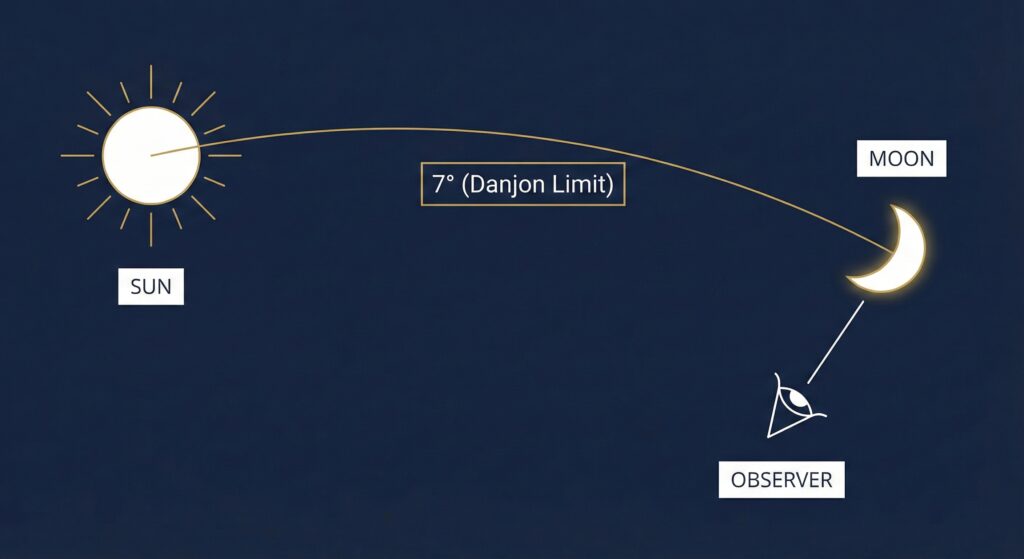
Unlike the fixed Gregorian calendar, the Islamic calendar’s Ramadan start date is determined by sighting the new crescent moon (hilal), a practice mixing astronomical science and religious tradition. Trained observers look for the hilal, which must meet visibility criteria like the Danjon Limit (at least 7 degrees from the sun).
Different countries use distinct methods: Saudi Arabia relies on physical sighting testimony, while Turkey uses astronomical calculations. This disparity causes varied start dates globally. The uncertainty builds anticipation as families await official religious announcements on the 29th day of the preceding month.
2. Ramadan Is One of Islam’s Five Pillars
As one of the Five Pillars of Islam, Sawm (the Arabic word for fasting during Ramadan) represents a fundamental spiritual discipline that defines Muslim practice alongside the declaration of faith, daily prayer, charitable giving, and pilgrimage to Mecca. Research from Brandeis University’s spiritual life resources explains that this pillar isn’t merely about abstaining from food and drink, but encompasses a complete transformation of daily habits, spiritual focus, and community connection.
The Quranic foundation for Ramadan fasting appears in Surah Al-Baqarah (2:183), which states that fasting was prescribed for believers as it was for those before them, so that they may become conscious of God. This verse establishes fasting as a practice with deep historical roots across Abrahamic traditions.
During Ramadan, fasting extends beyond physical abstinence from food, water, and other consumables. It includes restraining from negative speech, controlling anger, avoiding gossip, and increasing acts of worship and charity. The holistic nature of Sawm transforms the entire month into an intensive spiritual retreat practiced while maintaining normal daily responsibilities.
The Five Pillars framework positions Ramadan as an annual renewal opportunity. While daily prayers provide constant spiritual connection and charity cultivates ongoing generosity, Ramadan offers concentrated time for self-reflection, community bonding, and spiritual growth that Muslims carry throughout the rest of the year.
3. Lesser-Known Global Traditions Reveal Cultural Diversity
Ramadan is celebrated globally with diverse, unique cultural traditions alongside common practices.
In Egypt and the Middle East, the ancient Mesaharaty (drummer) wakes communities for Suhoor before dawn, often learning family names for personalized calls.
Southeast Asia features distinctive customs. Indonesian Muslims perform Padusan, a pre-Ramadan ritual cleansing in natural water, symbolizing spiritual and physical preparation, adapted from pre-Islamic Javanese culture.
Pakistan and India celebrate Chaand Raat (“night of the moon”) upon sighting the Ramadan-ending moon. This night involves women applying henna, family shopping, and bazaars staying open late in joyful anticipation of Eid al-Fitr.
In the Arabian Gulf, children celebrate Haq Al Laila (similar to Halloween) on the middle night of Sha’ban (the month before Ramadan) by dressing up and collecting sweets, building excitement for the holy month.
South Africa’s Cape Malay community shares Boeber, a sweet milk drink with vermicelli and spices, when breaking fast, a culinary tradition from Indonesian and Malaysian Muslims.
4. Ramadan Lanterns Carry a Thousand-Year Legacy
The iconic Ramadan lantern, known as Fanous in Arabic, isn’t just decorative. It carries a thousand-year legacy dating back to 10th-century Cairo during the Fatimid Caliphate. Historical research from Embrace Relief traces the origin of these lanterns to Caliph Al-Mu’izz li-Din Allah’s arrival in Cairo in 969 CE, when residents lit the streets with lanterns to welcome him during Ramadan.
The tradition evolved through the Ottoman period, with artisans developing increasingly elaborate designs incorporating colored glass, intricate metalwork, and geometric patterns reflecting Islamic artistic principles. Each Fanous became a miniature architectural marvel, echoing the domes and arches of mosques in portable form.
Originally, the Fanous served practical purposes. In pre-electricity Cairo, these lanterns lit the way for people walking to mosques for Taraweeh prayers or Suhoor meals. Children carried small versions as they accompanied adults through dark streets, creating rivers of light flowing through neighborhoods.
Today, the Fanous transcends its Egyptian origins. Families across the Middle East hang colorful lanterns in windows, from balconies, and in living rooms as quintessential Ramadan decorations. The symbol has evolved from functional lighting to cultural icon, representing the light of faith, the joy of Ramadan, and connection to Islamic heritage.
Modern Fanous designs range from traditional handcrafted metal and glass versions, which can take artisans days to complete, to battery-powered plastic versions accessible to every family. Street vendors begin selling Fanous weeks before Ramadan, and choosing the perfect lantern becomes a cherished family activity, especially for children who often receive their own small lantern to light during the holy month.
5. The Pre-Dawn Meal Carries Strategic and Spiritual Importance
Before dawn, Muslims observe Suhoor, a pre-dawn meal with profound spiritual meaning beyond simple nutrition. This tradition, encouraged in Islam, transforms the hours before sunrise into a time for preparation, reflection, and family connection.
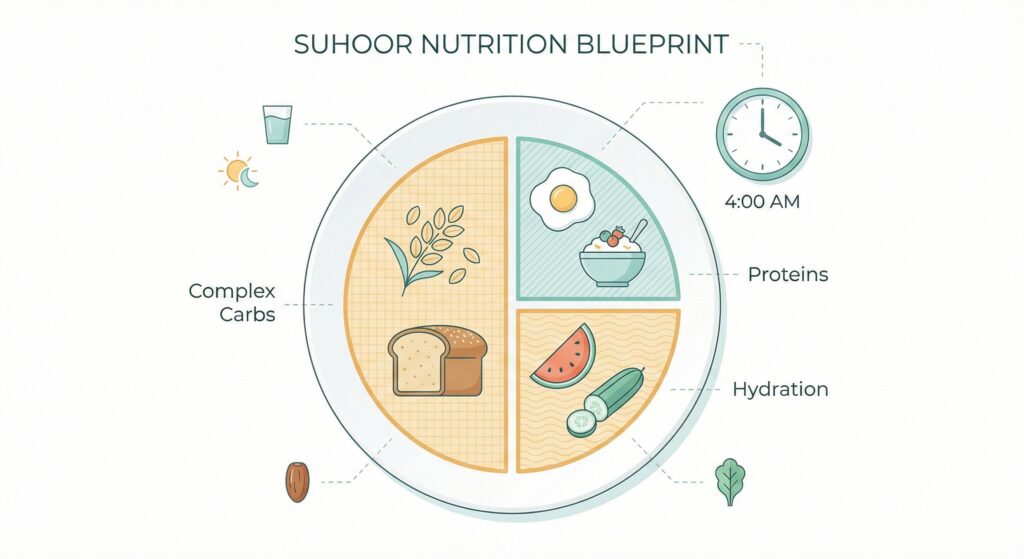
Strategically timed closer to the dawn prayer (Fajr), Suhoor provides sustained energy, making the day’s fast more manageable. Brandeis University research indicates Suhoor typically occurs between 4:00 AM and 5:30 AM, ending 10-15 minutes before Fajr.
Nutritionists and scholars recommend slow-digesting foods for Suhoor: complex carbohydrates (oatmeal, whole grain bread), proteins (eggs, yogurt), and hydrating foods (cucumbers, watermelon). Dates offer quick energy, potassium, and fiber, following prophetic tradition.
The spiritual aspect of Suhoor involves discipline and intention, setting a purposeful tone for the day. Muslims often use these quiet hours for extra prayers, Quran recitation, or personal reflection.
Family households wake together for Suhoor, sharing meals in the darkness. This shared early waking strengthens family bonds and creates collective purpose and lasting memories.
6. Ramadan Fasting Triggers Remarkable Health Transformations
Ramadan fasting, according to NIH research, triggers significant metabolic shifts beyond simple weight loss, mirroring intermittent fasting benefits. Studies show an average weight loss of 0.81 to 1.4 kg, but the metabolic improvements are more notable.
Cardiovascular benefits are consistent, including better lipid profiles (increased HDL, decreased LDL and triglycerides) and lower blood pressure. Fasting activates cellular repair (autophagy) and pathways associated with longevity, evidenced by decreased IGF-1 and mTOR. Inflammation markers, such as C-reactive protein, also decrease.
The body switches from glucose to ketone metabolism for energy. However, researchers stress that these health benefits rely heavily on mindful eating and avoiding high-calorie, low-nutrient foods during non-fasting hours.

7. Psychological Benefits Extend Beyond Physical Changes
Ramadan fasting offers significant psychological benefits, including enhanced self-control, emotional resilience, and reduced depression/anxiety symptoms, as documented in various journals.
The daily control of hunger and thirst strengthens self-discipline, which persists post-Ramadan, improving impulse control and habits. Emotional regulation is enhanced by the combination of fasting, spirituality, and community, leading to calmer moods and reduced irritability.
Community support, through shared fasting and collective practices, builds social bonds that combat loneliness. Constant awareness of the fast promotes mindfulness, increasing reflection and reducing anxiety-inducing distracted thinking.
While initial days may involve adjustment, mood, focus, and overall wellbeing typically improve as the month progresses. These psychological benefits, including improved life satisfaction and reduced depression/anxiety, often extend into the post-Ramadan period.
8. Athletes Experience Enhanced Cognitive Function During Fasting
Research contradicts the common assumption that exercise during Ramadan depletes mental resources; in fact, physically active individuals experience enhanced cognitive function. Studies show athletes maintaining training during the fast improve attention, memory, and processing speed, especially after an initial adjustment. This cognitive boost may stem from synergistic increases in Brain-Derived Neurotrophic Factor (BDNF) from both fasting and exercise. Furthermore, the brain’s efficient utilization of ketones, an alternative fuel source produced during fasting, may explain improvements in mental clarity.
Many athletes optimize this effect by scheduling workouts just before Iftar for immediate refueling. Professional protocols emphasize proper scheduling, hydration, and sleep to maintain or enhance performance.
Beyond physical benefits, maintaining activity during Ramadan supports mood regulation, stress management, and spiritual discipline.
9. The Islamic Calendar Creates a 33-Year Seasonal Cycle
Ramadan, the sacred month of the Islamic calendar, gradually shifts its timing in the Gregorian calendar because it is based on the lunar cycle. The Islamic lunar year is about 10 to 11 days shorter (354 or 355 days) than the solar Gregorian year (365 days). Consequently, Ramadan migrates backward through the seasons, completing a full cycle approximately every 33 years.
This seasonal migration creates vastly different fasting experiences. The geographic location, particularly the latitude, significantly influences the daily fasting duration.
- Near the Equator: Muslims experience consistently moderate fasting periods, usually 12 to 13 hours, due to minimal variation in day length throughout the year.
- Extreme Northern/Southern Latitudes: These locations face dramatic seasonal differences.
- Summer Ramadan: Fasting hours can be extremely long, exceeding 16 hours, and reaching up to 20 hours daily in countries like Norway or Canada. High temperatures further increase the difficulty due to heat and thirst.
- Winter Ramadan: Fasting periods are much shorter, ranging from 10 to 12 hours in the same northern latitudes. However, cold weather can make warm, comforting foods particularly tempting.
Educational research from Islamic institutions suggests that neither season is inherently easier; both summer and winter Ramadans present unique physical and spiritual challenges that test discipline and endurance in different ways.
The 33-year rotational cycle ensures that every Muslim who observes Ramadan over several decades will experience it in all four seasons. This phenomenon fosters generational understanding, allowing elders to share wisdom and advice with younger Muslims based on their own experiences fasting under similar seasonal conditions decades earlier.
10. Fasting Transforms Awareness Into Embodied Empathy
By fasting from dawn to sunset, Muslims directly experience the hunger and thirst faced by impoverished populations worldwide, transforming abstract awareness of poverty into embodied empathy that motivates charitable action and social responsibility. This experiential dimension of Ramadan creates a powerful connection between spiritual practice and social justice.
The physical sensation of hunger serves as a daily reminder of the millions who experience food insecurity not by choice but by circumstance. Research on empathy and charitable giving suggests that direct experience with discomfort creates stronger motivation for helping others than intellectual knowledge alone. Ramadan institutionalizes this empathetic experience on a massive scale, with 2 billion Muslims simultaneously experiencing hunger.
Charitable giving intensifies dramatically during Ramadan. Many Muslims fulfill their Zakat obligation, the mandatory 2.5% wealth distribution that constitutes another of Islam’s Five Pillars, during this month. Beyond Zakat, voluntary charity (Sadaqah) increases as the direct experience of hunger motivates people to ensure others have food to break their fast.
Community Iftar meals embody this principle of empathy-driven generosity. Mosques, charitable organizations, and individuals host free meals where anyone, regardless of economic status, can break their fast. These gatherings erase social distinctions, as wealthy and poor sit together sharing the same meal, experiencing the same relief from hunger, and recognizing their fundamental equality.
The concept of empathy through fasting extends beyond hunger to encompass appreciation for all blessings. The simple pleasure of drinking water after a long fast creates profound gratitude for access to clean water, a resource many worldwide lack. Every Iftar becomes a moment of recognition that basic needs many take for granted remain unmet for billions.
Educational discussions during Ramadan often focus on global inequality, poverty alleviation, and social responsibility. Parents use the fasting experience to teach children about privilege, gratitude, and the obligation to help those less fortunate. This creates generational transmission of social consciousness linked directly to embodied experience rather than abstract moralizing.
The psychological research on perspective-taking suggests that experiential empathy creates more lasting behavioral change than cognitive empathy alone. By repeatedly experiencing hunger and thirst, then relief through Iftar, Ramadan creates a visceral understanding that motivates sustained charitable behavior and social consciousness extending beyond the month itself.
For those interested in deepening their understanding of Islamic principles and practices year-round, Noor-path offers comprehensive Quranic education that connects spiritual teachings with practical application in daily life.